 Sign In



 International
News release
From:
Palaeontology: Early spider relative claws its way into the family tree
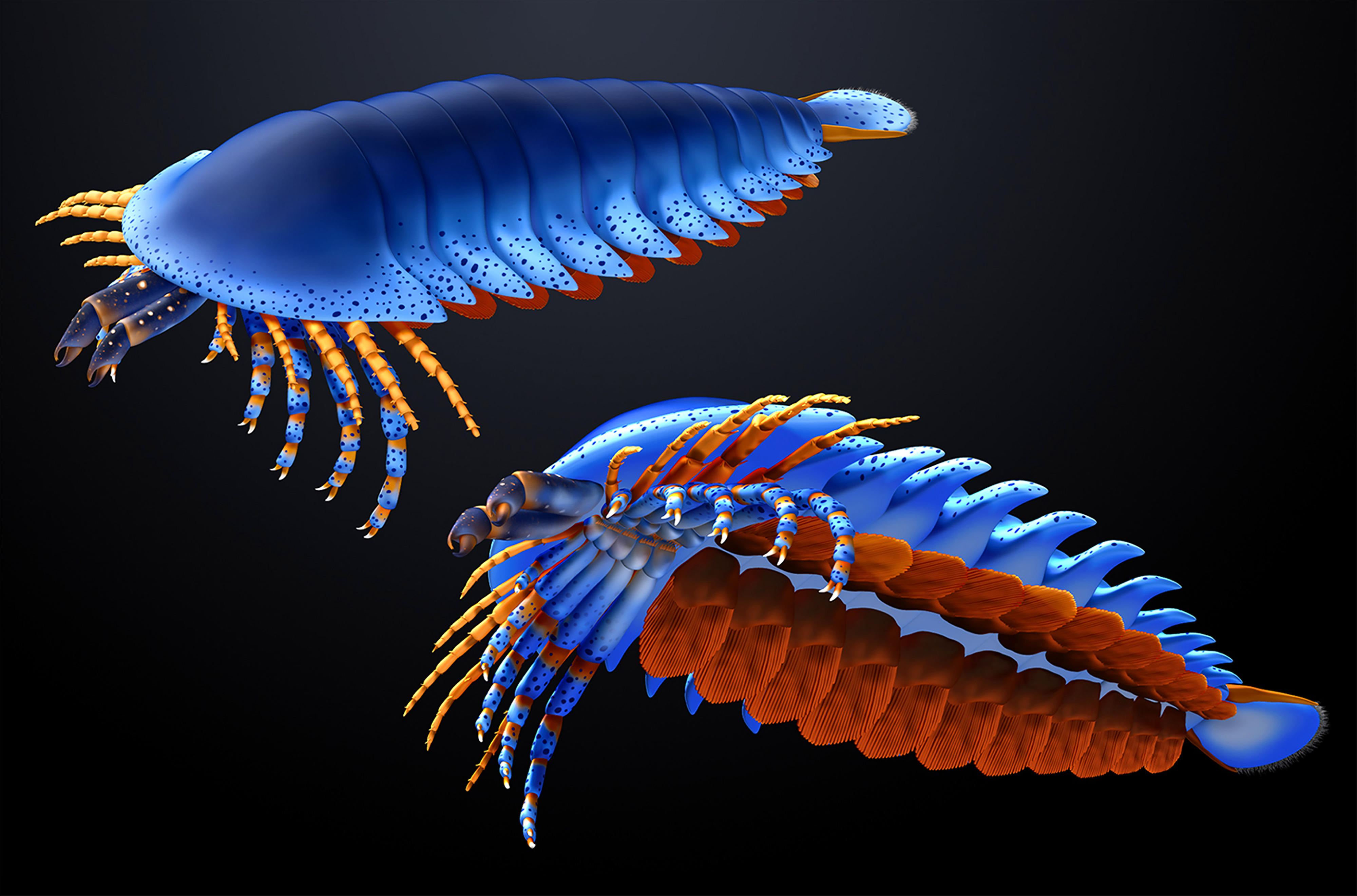
A 500-million-year-old fossil of a very early relative of spiders, scorpions, and mites offers insights into how this group of arthropods, called chelicerates, evolved. The fossil, found in Utah, USA, has clear claws, and is among the earliest known example of this feature in chelicerates. The findings are reported in Nature.
Modern chelicerates — a group that includes scorpions, mites, ticks, sea-spiders and horseshoe crabs — are distinguished by having a pair of claws (chelicerae), as part of the feeding apparatus, at the front. The fossil record for these animals may span around 500 million years, but early specimens have lacked unequivocal signs of these claws. Thus, it has been unclear when chelicerates first evolved and what the earliest forms may have looked like.
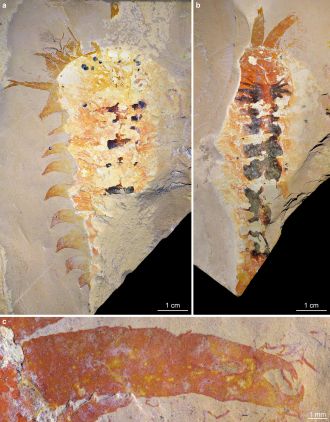
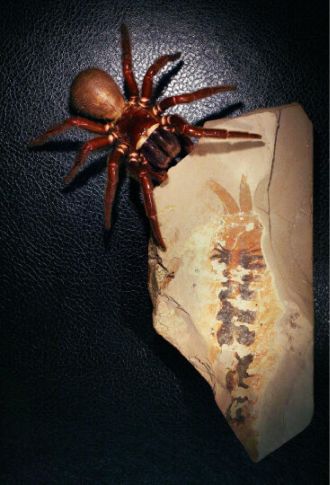
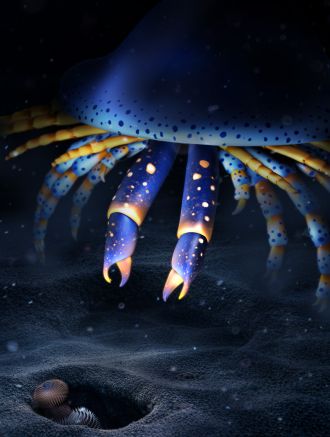
Rudy Lerosey-Aubril and Javier Ortega-Hernández describe a new species of soft-bodied arthropod that has clear chelicerae, which they name Megachelicerax cousteaui. The specimen was recovered from a 500-million-year-old (Cambrian period) Wheeler Formation site in Utah’s West Desert, USA, an age that makes it one of the oldest known chelicerates to date. Much of the head, body and limbs of this creature are well preserved; in particular, a pair of claws are seen extending from underneath a head shield. The authors propose that Megachelicerax is a stem-group chelicerate, bridging the gap between other Cambrian members of this group that may have lacked claws and later post-Cambrian clawed relatives. The findings provide evidence that predatory chelicerates were present during the Cambrian period and shed light on the origins of their claws, the authors conclude.
Multimedia

Attachments
Note: Not all attachments are visible to the general public. Research URLs will go live after the embargo ends.


