 Sign In



 Australia; NSW; QLD
News release
From:
Why taking a sick day depends on more than being sick
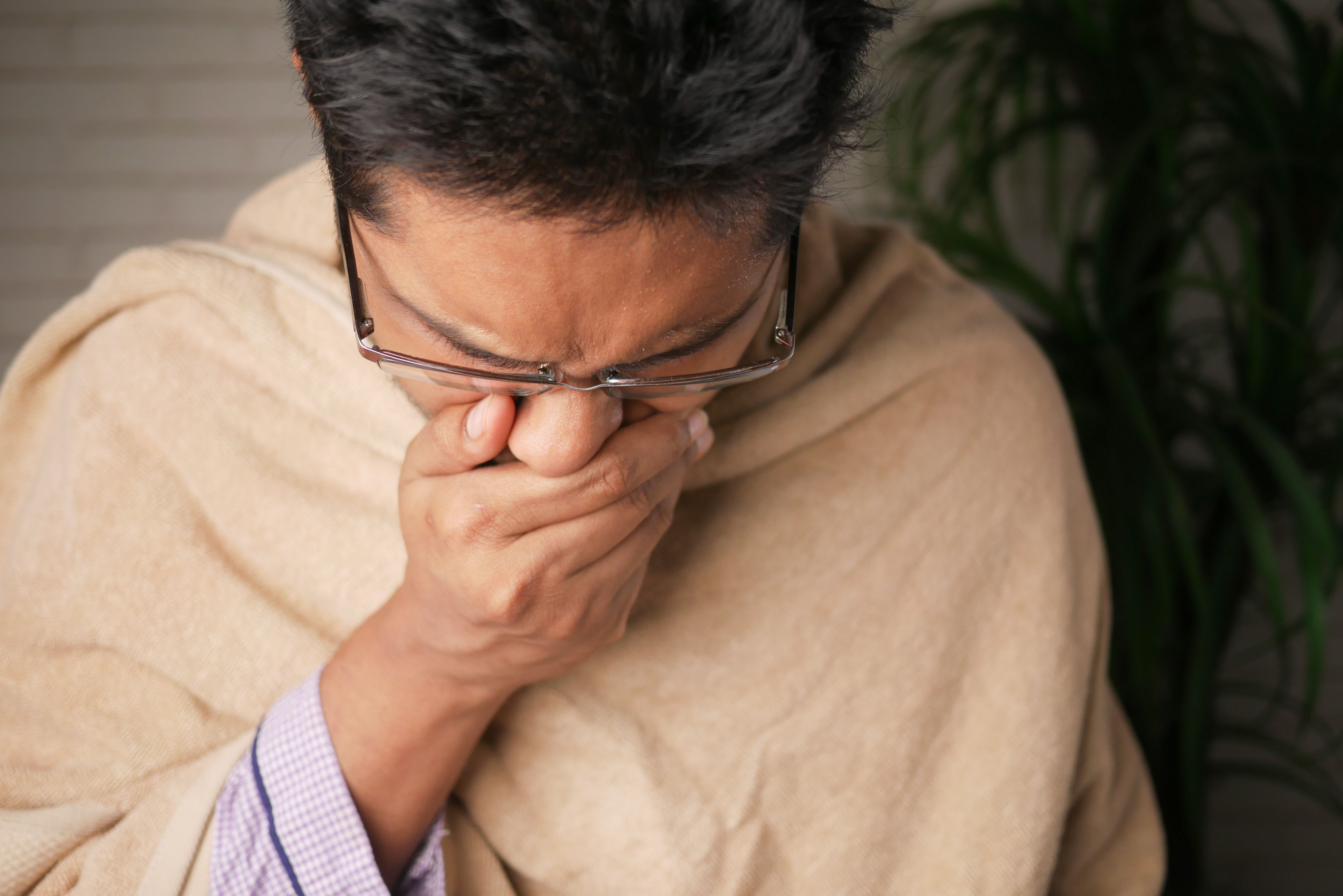
As winter illness spreads and households face cost-of-living pressure, many Australians cannot treat a sick day as a simple health decision. They may be too sick to work – but their job is too insecure to stay home.
New research led by the University of Technology Sydney (UTS) shows the decision is heavily influenced by pay, job security and gender.
The study, published in Applied Economics, examines how workers’ health and economic circumstances dictate how many sick days they actually take.
“Employers and policymakers often focus on reducing absence, but workers who attend while unwell may recover more slowly, spread infection to colleagues, and be less productive,” said lead researcher Dr Nancy Kong, a Senior Research Fellow at the UTS Centre for Health Economics Research & Evaluation.
Drawing on data from the Household, Income and Labour Dynamics in Australia (HILDA) survey from more than 15,000 Australians between 2005 and 2016, Dr Kong and her co-authors, Dr David Rowell from the University of Queensland and Professor Peter Zweifel from the University of Zurich, examined patterns of sick leave across the workforce.
“We focused on this period to avoid the COVID years, when major changes in public health rules, workplace practices and leave policies occurred at the same time, and could have blurred the relationship between job conditions and sick leave,” said Dr Kong.
The study revealed a clear divide: workers in casual and fixed term jobs take only around one day of sick leave a year on average, compared with about four days for permanent employees.
Even accounting for variables such as occupation, job satisfaction, household circumstances, living arrangements, marital status, education and place of residence, non-permanent workers still take around three fewer sick days each year.
“This does not necessarily mean casual and fixed-term workers are healthier,” said Dr Kong.
“A more likely explanation is that taking time off is riskier when work is insecure. Non-permanent workers may have less access to paid sick leave. They may also worry that saying no to work, even when ill, could affect future hours or their chances of keeping their job.”
“For a permanent employee, staying home with influenza might be inconvenient; but for a casual worker it may trigger financial stress.”
The study also found that economic insecurity plays a role, with workers living in areas with higher unemployment tending to take less sick leave.
For instance, when the local unemployment rate rises by five percentage points, sick leave drops. While this amounts to a fraction of a day per individual, across a standard team this adds up to significant forgone recovery time.
This pattern is consistent with a simple concern: when jobs feel harder to replace, workers may be less willing to take time off.
“They may worry that being absent could make them seem less reliable or increase the risk of losing work,” said Dr Kong.
The effect of wages proved more nuanced. Higher wages alone did not consistently dictate leave behaviour. However, among workers in poorer health, higher wages were strongly associated with taking more sick leave, suggesting higher income earners possess a financial buffer.
“Higher-paid workers generally have workplace support and leave entitlements that mean they are supported to take time off when they are unwell without fear of a potential financial penalty,” said Dr Kong.
The most consistent finding was a distinct gender gap. Across every analysis, men take fewer sick days than women, averaging about half a day less per year (a 23% difference), even when matching with similar health and job circumstances.
“This may reflect differences in health needs, caring responsibilities or how likely people are to seek medical care,” Dr Kong said.
“But it also points to workplace cultures and gender expectations about ‘toughness’, reliability and working through illness.”
Ultimately, the study highlights that sick leave rates are not simply a reflection of physical health. For employers, low sick leave rates should not be automatically viewed as a sign of success; they may also indicate a culture of fear.
“Workplace cultures should not reward people for attending when unwell or treat legitimate sick leave as a lack of commitment,” said Dr Kong.
“Reducing stigma is also particularly important in addressing the gender gap.”
Dr Kong said for policymakers, the study points to the importance of secure work, accessible paid leave and workplace practices that support people to recover when unwell.
This is particularly relevant during periods of increased cost-of-living pressure, workforce shortages and seasonal illness.
“A fair and effective sick leave system should support productivity while ensuring workers do not have to choose between protecting their health and protecting their income.”
Attachments
Note: Not all attachments are visible to the general public. Research URLs will go live after the embargo ends.


