 Sign In



 International
News release
From:
Yawns in healthy fetuses might indicate mild distress
Even in the womb, where all oxygen is provided by the parental placenta, fetuses can—and do—yawn. More yawns during observation were associated with a lower weight at birth—potentially indicating mild fetal stress in the womb, according to a study published February 25, 2026 in the open-access journal PLOS One by Damiano Menin, of the Università degli Studi di Ferrara in Italy, and colleagues.
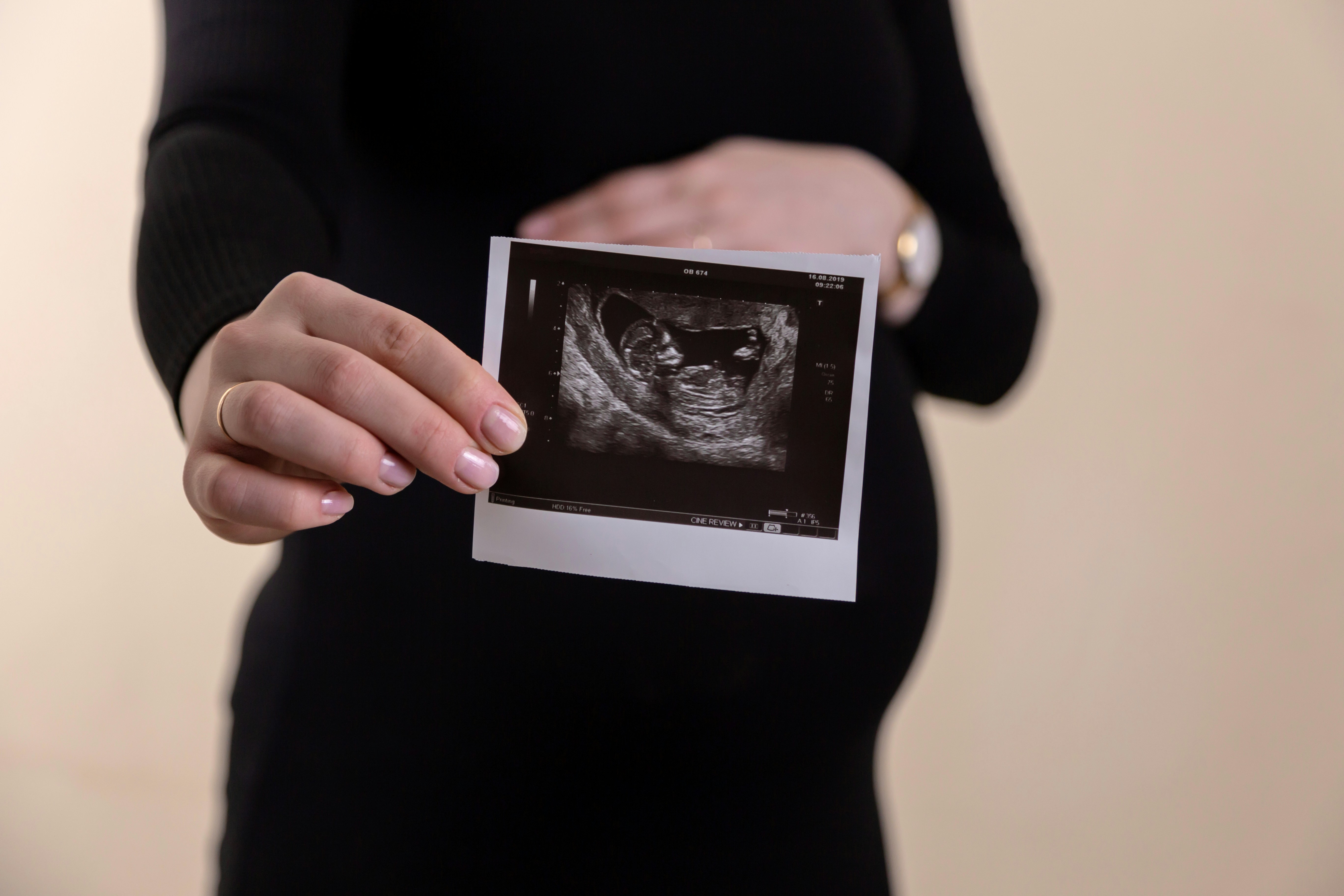
Yawning is a behavior found across vertebrates—and no one quite knows why. In humans, fetuses yawn in the womb from about 11 weeks. Even though there is no air to breathe, they slowly open their mouths, make motions similar to inhalation and exhalation, and close their mouths again. To understand more about fetal yawns, the authors of this study used ultrasound to observe 32 healthy fetuses (56 percent female, 44 percent male) between 23 and 31 weeks. Each fetus was observed for 22.5 minutes.
The authors found that the fetuses yawned between zero and six times during the observation period, with an average of 3.63 yawns per hour. They also showed that fetuses that yawned more during their observations were more likely to have a low weight at birth, which is considered as an indicator of mild distress—though all fetuses in the study were born healthy.
The researchers did not perform any manipulations to see if they could affect fetal yawning and also did not record measures such as fetal heart rate or maternal temperature which might potentially be associated with the behavior. Additionally, no high-risk pregnancies were observed. Based on their research, the authors suggest that frequent fetal yawning might be a sign of mild distress in the healthy fetus.
The authors add: “We found that yawning frequencies in the womb are negatively related to birth weight, potentially indicating a stress-related response in healthy fetuses. This suggests that even before birth, yawning may serve as an indicator of a fetus's well-being.”
Attachments
Note: Not all attachments are visible to the general public. Research URLs will go live after the embargo ends.


