 Sign In



 New Zealand; International
News release
From:
World Health Organization Guideline on the Use of Glucagon-Like Peptide-1 (GLP-1) Therapies in the Treatment of Obesity in Adults
Obesity affects more than 1 billion people worldwide and is recognized by the World Health Organization as a chronic, relapsing disease associated with substantial morbidity, mortality, and economic burden.
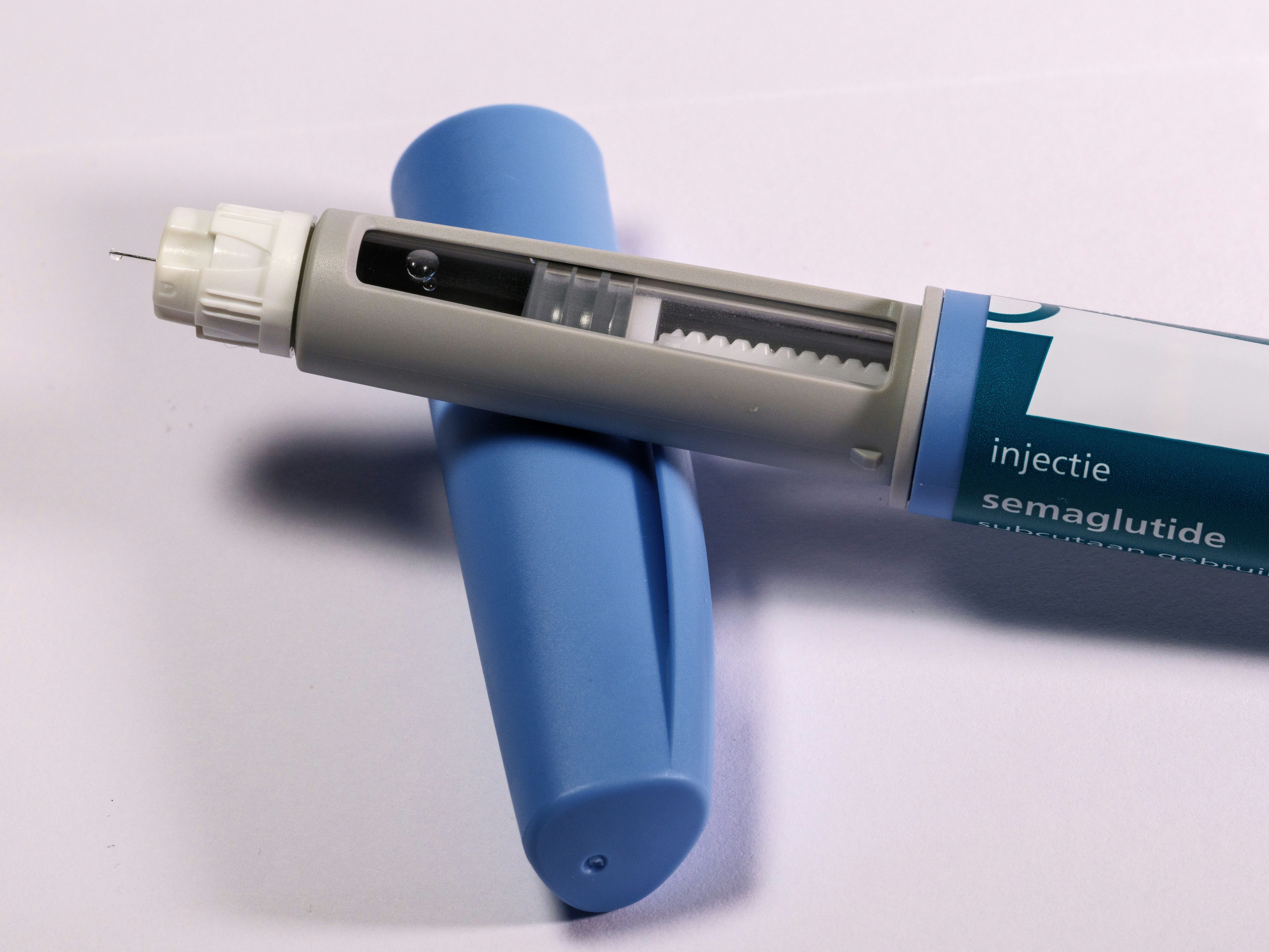
On Monday, December 1, WHO will release a guideline on the use and indications of glucagon-like peptide-1 (GLP-1) therapies for the treatment of obesity in adults. Publishing in JAMA as a Special Communication, the guideline provides two conditional recommendations to inform clinical practice and health policy.
Recommendation #1: In adults living with obesity, long-term GLP-1 therapies may be used for weight management. This conditional recommendation is supported by moderate-certainty evidence from ongoing trials for their effectiveness in achieving clinically meaningful weight loss and broad metabolic benefits, together with cost, health system preparedness, and potential equity implications.
Recommendation #2: Those prescribed GLP-1 therapies benefit from structured behavioral therapy, including goal setting for physical activity and diet, energy intake restriction, regular counseling sessions, and ongoing assessment of progress. This conditional recommendation is supported by low-certainty evidence of intensive behavioral therapy enhancing the efficacy of GLP-1 therapies across tirzepatide, semaglutide, and liraglutide.
In addition to these recommendations, the guideline highlights implementation challenges for health systems and considerations for policymakers.
Expert Reaction
These comments have been collated by the Science Media Centre to provide a variety of expert perspectives on this issue. Feel free to use these quotes in your stories. Views expressed are the personal opinions of the experts named. They do not represent the views of the SMC or any other organisation unless specifically stated.
Professor Peter Shepherd, Molecular Medicine & Pathology, The University of Auckland
"The world has moved in 100 years from a state where global malnutrition was the major global health crisis to a state where excess weight now is. This is because obesity is a major driver in development of heart disease, kidney disease, type-2 diabetes and certain cancers that shorten lifespans and reduce quality of life. A major barrier to effective treatment of obesity has been a failure to understand the biology that is driving our appetite and fat accumulation. This has changed drastically and we now understand that drugs that mimic a natural hormone called GLP1 (e.g. Wegovy and Ozempic) can safely and effectively reduce appetite and weight.
"This article highlights the next crucial steps required to ensure that the benefits of these drugs are maximised globally. One issue is cost. This is currently around $NZ6000 per year, and while many people report significant savings on food costs while on these drugs, this remains unaffordable for many individuals and also for Pharmac funding in this country. The good news is the patent for the main ingredient runs out soon and many competitors are poised to enter the market, so prices will surely fall.
"The other issue is what long term side effects might be. We already know muscle loss caused by these drugs is a potential issue, particularly in older people so careful monitoring will be required. However, the patient led demand driving the use of these drugs has led to the first ever reduction in rates of obesity in the USA, showing the people affected by obesity really want a solution. This article shows that global health bodies now recognise that medical treatments are now formally recognised as one important tool in reversing the tide of obesity."

Professor Emeritus Elaine Rush, Auckland University of Technology, Riddet Institute
"The guideline identifies the challenge of 'obesity' and the need for more research on these drugs. Much is unknown – as stated, “What is needed is a comprehensive, system-wide response addressing prevention, care, and the underlying determinants of obesity.” These drugs are expensive, and the recommendation is that intensive behavioural therapy and weekly counselling sessions are provided alongside the medication. Cost effectiveness is not known!
"We do know that for most obesity is a form of malnutrition, driven by the environment, i.e. a poor quality food supply, lack of physical activity, poverty, pollution, and it is intergenerational… a life course disease. Rather than invest in these drugs in the long term we should invest in reducing child poverty, (and improving school lunches) so that we support a better future and get a better return on investment in the long run."
Attachments
Note: Not all attachments are visible to the general public. Research URLs will go live after the embargo ends.

