When it comes to dementia, living in the inner city or the country might be better than suburbia

Publicly released:
International
Photo by Tom Rumble on Unsplash

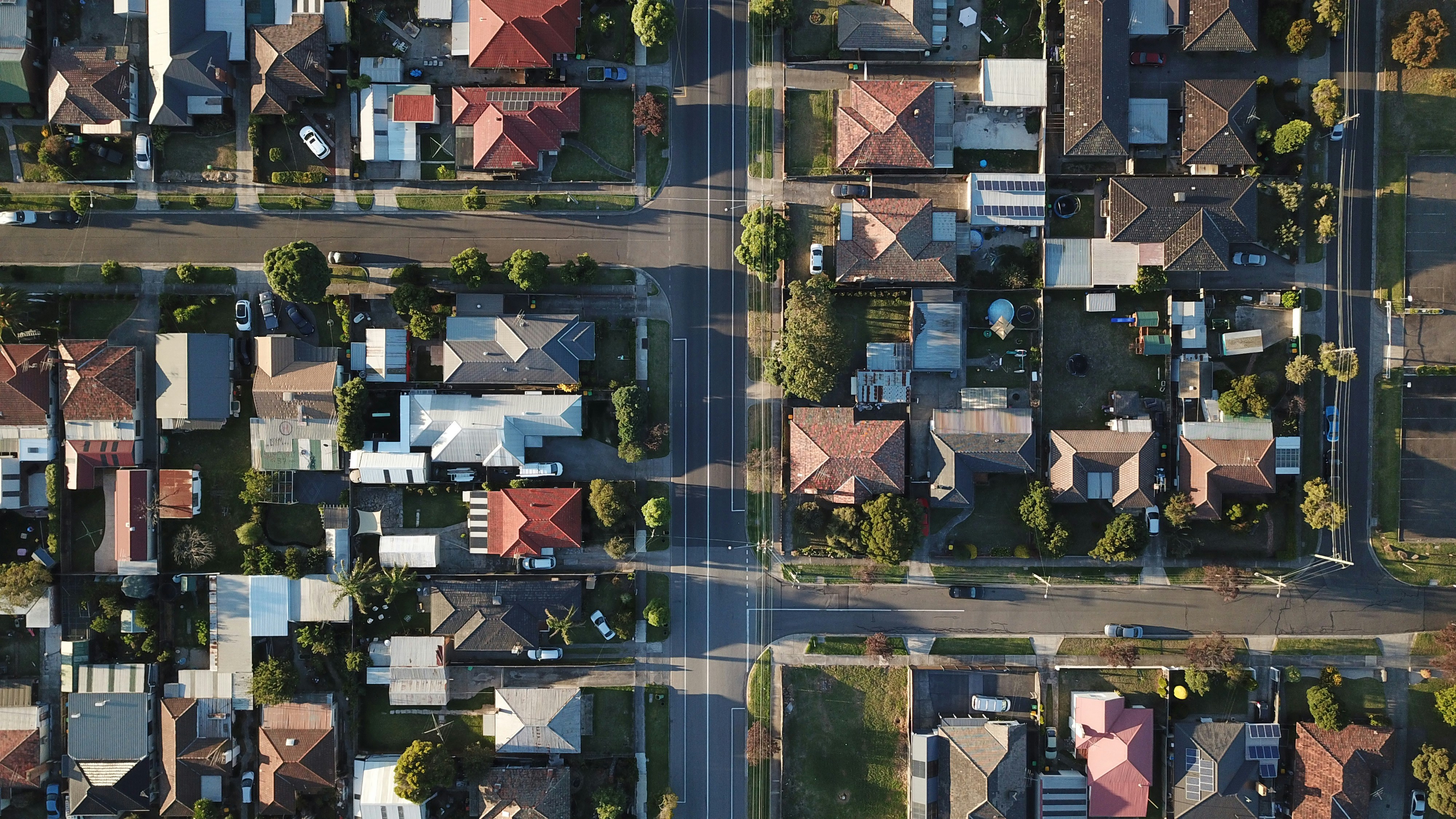
Dementia death rates in the UK are higher at mid-range population densities than they are at low or very high levels, which suggests that our degree of urbanisation may play a role in the dementia burden. The researchers found that risk of dying from or with dementia followed the shape of an upside-down letter U when compared to urbanicity. People living at population densities of around 2,000-4,000 people per square kilometre - roughly the population density of Penrith and the suburbs of most Australian cities - were at the highest risk. Those living in high-density areas - like inner CBDs - and those in more sparsely populated areas - like the countryside - had lower risks of dementia-related deaths. The researchers say this could be because inner cities have better access to diagnostic and care services, while country areas have fewer environmental stressors such as noise, air pollutants, and heat.

News release

From: JAMA

Urbanicity, Neighborhood Conditions, and Dementia Mortality

About The Study: In this cohort study, dementia mortality risk was greatest in mid-urbanicity and lower in dense urban cores and rural areas, and this gradient was largely attenuated by neighborhood conditions. These findings suggest that targeted improvements in modifiable neighborhood conditions may substantially reduce dementia mortality and advance equity, particularly in vulnerable communities.

Attachments

Note: Not all attachments are visible to the general public. Research URLs will go live after the embargo ends.

Research JAMA, Web page Please link to the article in online versions of your report (the URL will go live after the embargo ends).
Other Australian Bureau of Statistics, Web page Australian population grid map
Journal/
conference:
JAMA Network Open
Research:Paper
Organisation/s: University of Cambridge, UK
Funder: This work was conducted within the Office for National Statistics (ONS) Secure Research Service, using data provided from the ONS and other data owners, and was supported by the Cambridge Martin Centre for Architectural and Urban Studies and Cambridge Public Health. Ms Chen and Mr Li were supported by the Cambridge Commonwealth, European and International Trust.
Media Contact/s
Contact details are only visible to registered journalists.