 Sign In



 Australia; International; QLD
News release
From:
Evolution: Ancient mosquitoes developed a taste for early hominins
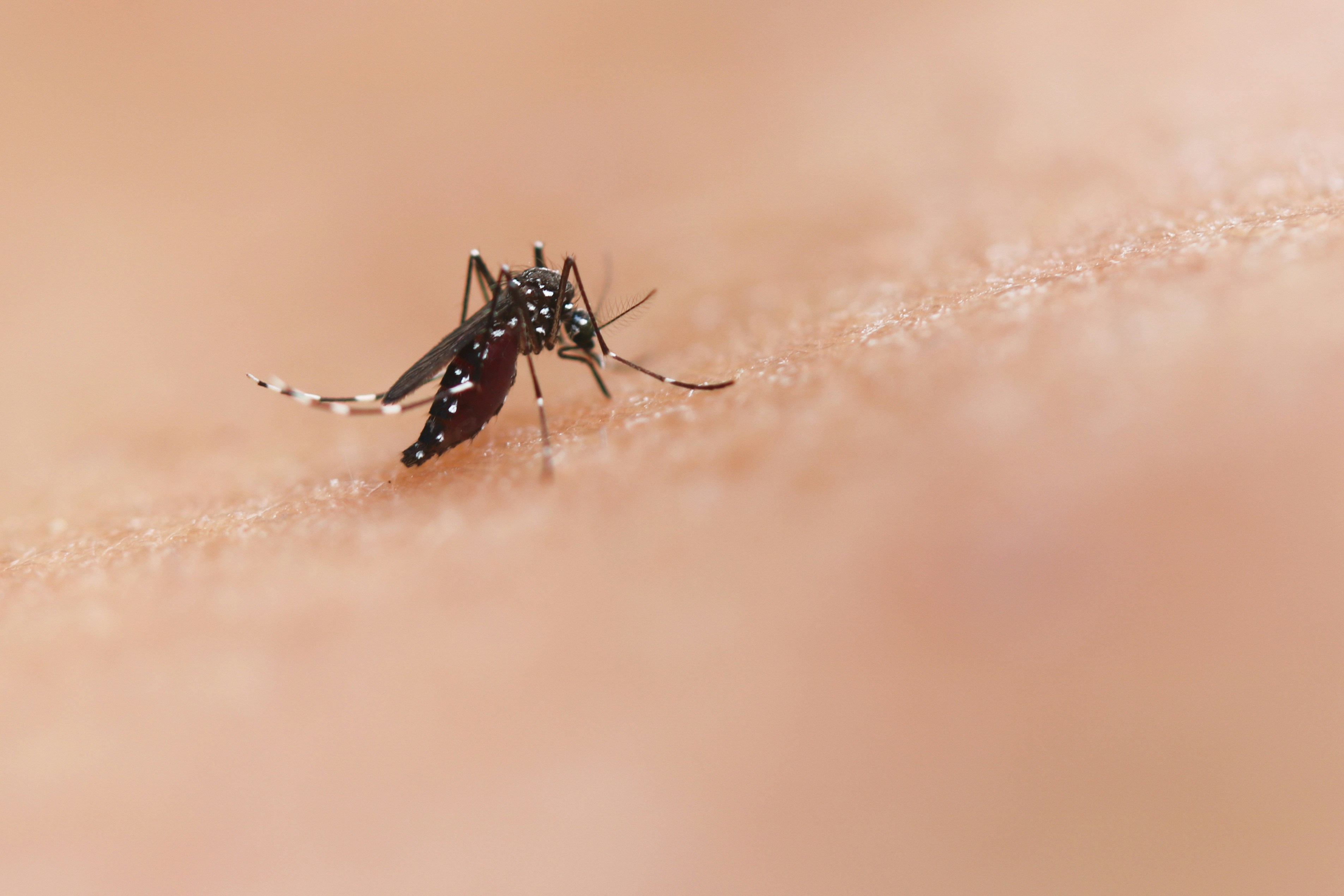
The preference of some mosquitoes in the Anopheles leucosphyrus (Leucosphyrus) group — including those that transmit malaria — for feeding on humans may have evolved in response to the arrival of early hominins in Southeast Asia around 1.8 million years ago. The findings are published in Scientific Reports.
A preference for feeding on humans is uncommon among the 3,500 known mosquito species, yet this feeding preference is the main factor influencing the potential of mosquitoes to spread disease-causing pathogens.
Upasana Shyamsunder Singh, Catherine Walton, and colleagues sequenced the DNA of 38 mosquitoes from 11 species in the Leucosphyrus group, which were obtained between 1992 and 2020 from Southeast Asia. They used these sequences, computer models, and estimates of DNA mutation rates to reconstruct the evolutionary history of these species. The authors estimate that the preference for feeding on humans evolved once within Leucosphyrus between 2.9 and 1.6 million years ago in a region known as Sundaland, which includes the Malay Peninsula, Borneo, Sumatra, and Java. Prior to this, ancestors of the group fed on non-human primates. This overlaps with the earliest proposed date for the arrival of the hominin species Homo erectus in the region around 1.8 million years ago and predates the arrival of modern humans between 76,000 and 63,000 years ago. It also predates previously published estimates of the evolution of a preference for feeding on humans among the mosquito lineage that gave rise to the major African malaria carriers Anopheles gambiae and Anopheles coluzzii between 509,00 and 61,000 years ago.
Previous research has suggested that changes in mosquito feeding preferences require multiple changes in genes that encode receptors used to detect body odour. The authors propose that the evolution of a preference for human body odour among Leucosphyrus may have required H. erectus to be present in substantial numbers in Sundaland around 1.8 million years ago. They conclude that their findings provide independent non-archaeological evidence supporting the limited fossil record of early hominin arrival in Southeast Asia.
Attachments
Note: Not all attachments are visible to the general public. Research URLs will go live after the embargo ends.


