 Sign In



 New Zealand; International
Expert Reaction
These comments have been collated by the Science Media Centre to provide a variety of expert perspectives on this issue. Feel free to use these quotes in your stories. Views expressed are the personal opinions of the experts named. They do not represent the views of the SMC or any other organisation unless specifically stated.
Associate Professor Emma Carroll, School of Biological Sciences, University of Auckland
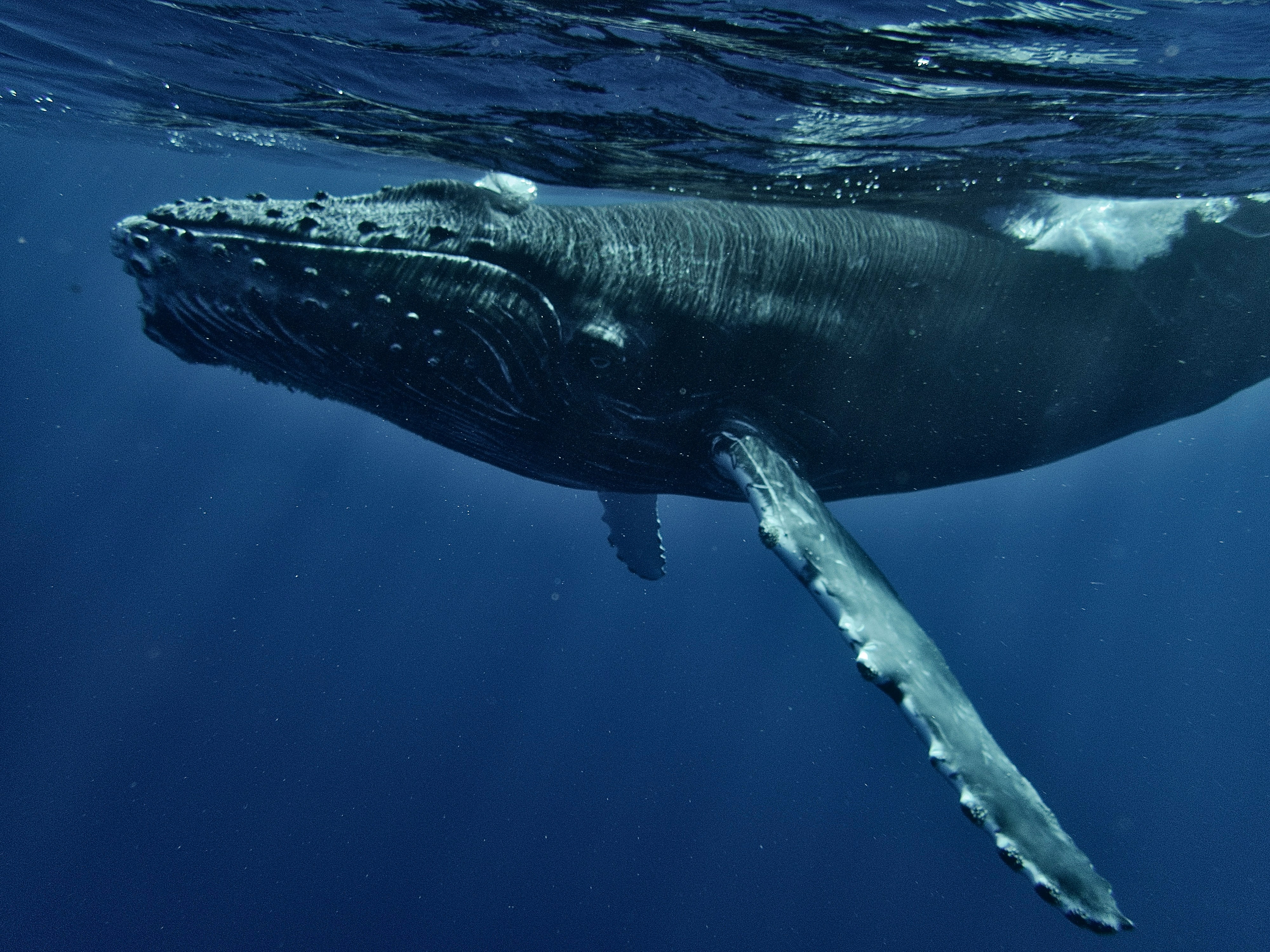
"Whaling was arguably the first large scale human industry that caused a biodiversity crisis – in the Southern Ocean alone, it killed over 2 million whales, forever changing our ecosystems. For humpback whales, the whaling industry was relatively brief compared with other species like right and bowhead whales. Such a brief population bottleneck (sudden shrinking of the population), from which many humpback whale populations have successfully bounced back - like East Australia, number over 30,000 whales - wouldn’t be expected to have a big impact on the genomes of these whales. This is because genomic diversity is lost on a timescale of generations, and whales, like us, live a long time.
"This new research challenges this paradigm, by a showing reduction in genomic diversity, and the accumulation of potentially harmful versions of genes, in humpback whales alive today compared to those in the whaling era. However, the samples used in this study came from one region of the Southern Ocean; including samples from more populations may reveal more diversity in today’s humpback whales. Nonetheless, it is a compelling example of how genomes from a relatively small number of animals can provide insight into the history of their populations and the impact of human exploitation."

