Sign In



 Australia; QLD
News release
From:
Well-designed urban street plantings provide relief from summer heat
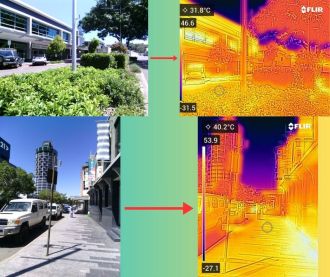
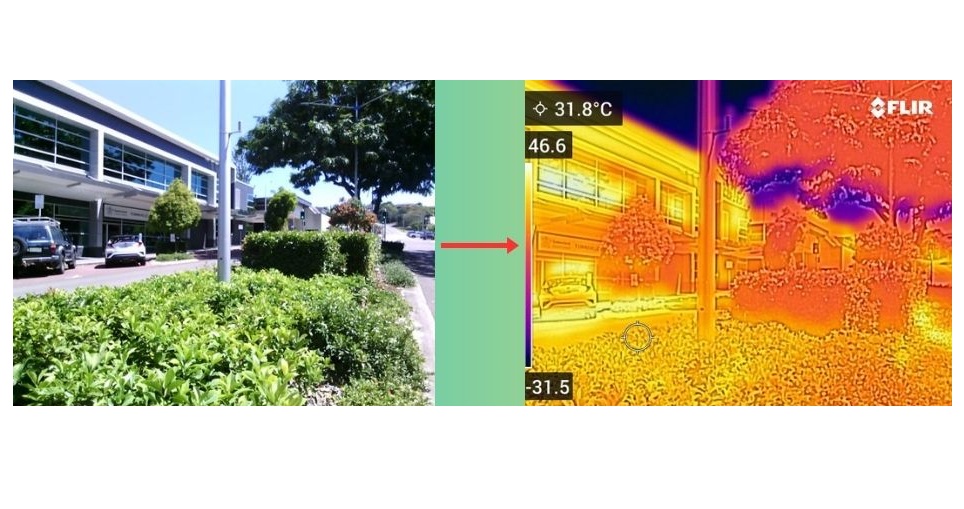
New research shows that improvements in tree, shrub, and grass plantings along the city streets of Queensland can substantially improve pedestrian’s thermal comfort.
Researchers from James Cook University and the University of the Sunshine Coast have developed a new way of optimising street vegetation to reduce urban heat, finding that better street landscaping on the city streets of Townsville and Ipswich could improve thermal comfort by up to two degrees Celsius.
The research published in the journal Urban Climate, compared the 24-hour cooling potential of 13 different street vegetation designs for inner city street locations in Townsville and Ipswich.
“Urban heat affects both our physical and mental well-being, increasing the risk of many health issues,” said the papers first author, JCU PhD graduate and University of the Sunshine Coast visiting scholar Dr Jiawei Fu.
“If it's too hot, we reduce outdoor activities, it affects our sleep quality and lowers productivity.
“Heat makes our urban spaces less attractive and less accessible, particularly for vulnerable groups like senior citizens and children.”
Current greenery coverage in Ipswich’s Brisbane and East Streets and Townsville’s Sturt and Stokes Streets, where the study was undertaken, range from zero to six percent, well below greenery coverage targets in other Australian cities.
While increasing vegetation coverage can reduce urban heat, the potential costs of establishing and maintaining urban vegetation should be carefully balanced against the benefits of street cooling and more liveable cities.
“Our study finds a way to plant vegetation with the best arrangement to reduce urban heat, in the limited spaces available,” said Dr Fu.
Researchers found the street vegetation arrangement that maximised cooling differed between sub-tropical (Ipswich) and tropical (Townsville) locations.
However, tree plantings in the centre of the street, more vertical layering of plants, and concentrating more trees on the west-facing side of the street achieved the best results, compared to existing plantings.
Dr Fu explained that the key thermal comfort measure used in her study was the Physiology Equivalent Temperature (PET), which reflects the combined influence of air temperature, wind speed, relative humidity and solar radiation on human thermal comfort.
“PET is kind of like an ‘apparent temperature’ … the temperature that you feel rather than the actual air temperature,” she said.
“Just a one to two degrees Celsius reduction in PET can make a noticeable difference during extreme heat.
“The human body will really feel that difference.”
With the climate getting hotter, councils need sustainable ways to reduce urban heat, such as increased street vegetation. But increasing vegetation on Queensland’s city streets has more benefits than simply improving thermal comfort.
“Not only can it reduce reliance on air conditioning and help lower energy costs, but walking through green spaces can make us feel much better ... it improves our mental well-being and helps reduce stress,” said Dr Fu.
--ENDS—
Content
A selection of images can be downloaded here and used for media stories. Please note, this is for single use with this story only, not for any other story. No archival permissions are granted.
Multimedia