 Sign In



 New Zealand; International
News release
From:
Dr Janine Krippner, Honorary Research Associate at the University of Waikato and lead author of this study, comments:
"It is getting harder to sift through misinformation and misconceptions about volcanoes as incorrect information spreads rapidly online. Even some of the ways volcanoes are commonly described in schools and popular media can be misleading. As volcanologists, we want to help.
"Our international team of volcanologists with extensive experience communicating volcanic hazards and crises has addressed 18 common misconceptions about volcanoes and eruptions. These are ideas that repeatedly appear in headlines and news coverage when a volcano becomes active, and spread rapidly online. They range from volcanic ash being described as smoke to claims about “supervolcanoes” ending civilisation.
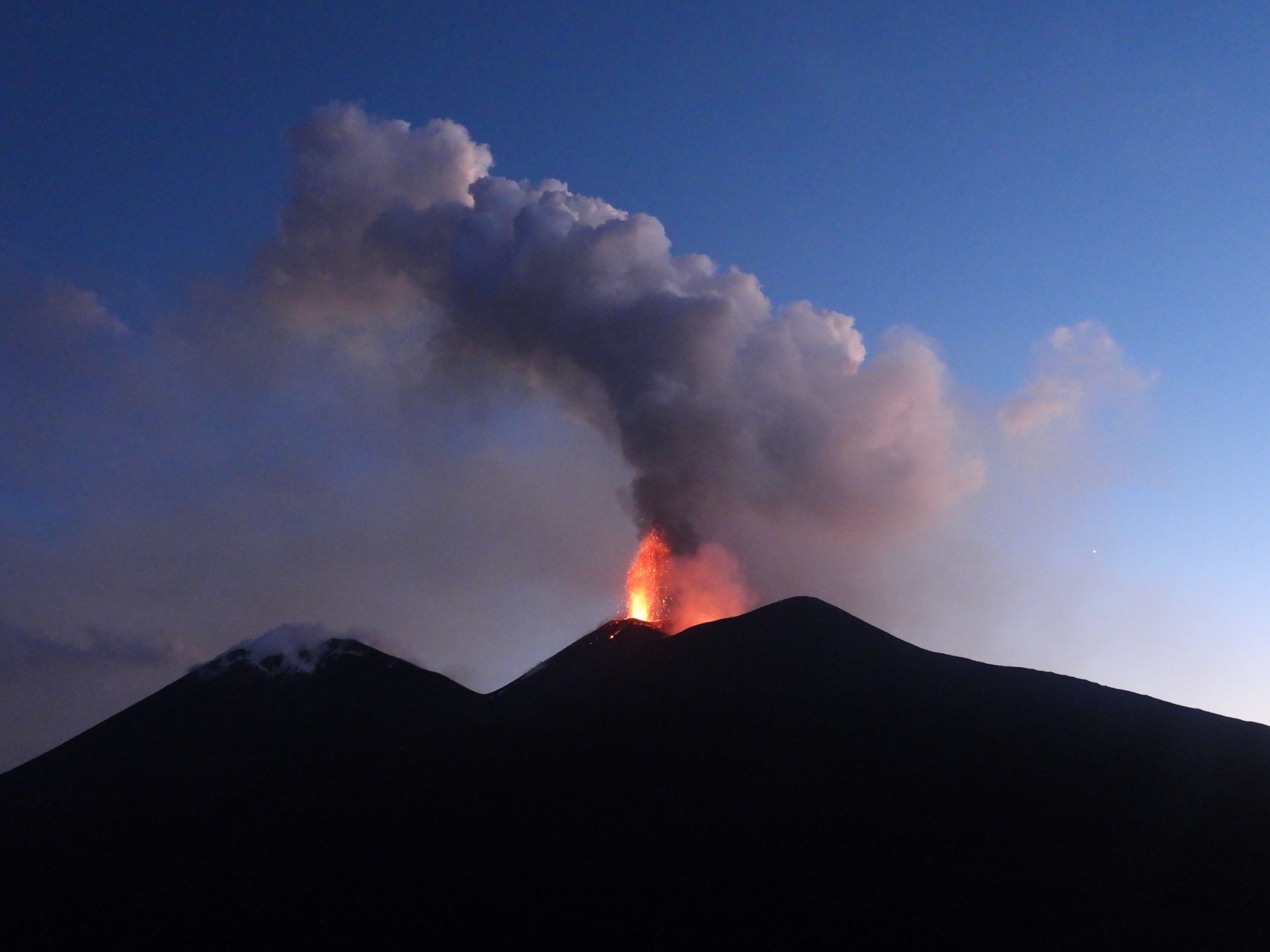
"We have written a peer-reviewed guide for media and the public that explains what the science actually says and provides a resource people can turn to when these claims appear. It also includes case studies from volcanic events around the world, including Yellowstone in the United States and Etna in Italy.
"This is highly relevant to Kiwis. When volcanic unrest or eruptions occur here, many of the same misconceptions can quickly appear in media coverage and online discussion. We also travel widely, including to volcanically active regions, where being able to distinguish reliable information from misinformation can become important during a crisis."


