Sign In



 Australia; SA

News release
From:
Takeaway lessons from menu pictures and food choices
The appearance of food images on a menu can influence whether we order big or small – or potentially choose healthy or more calorific meals.
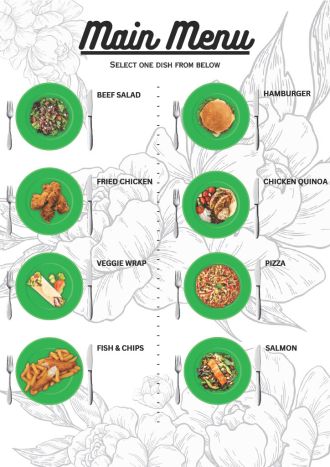
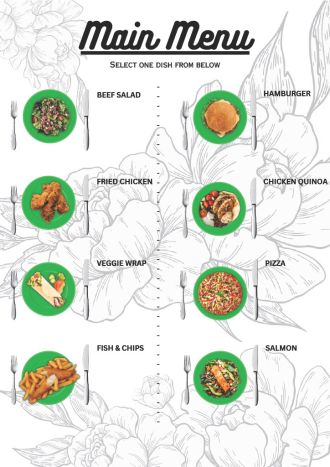
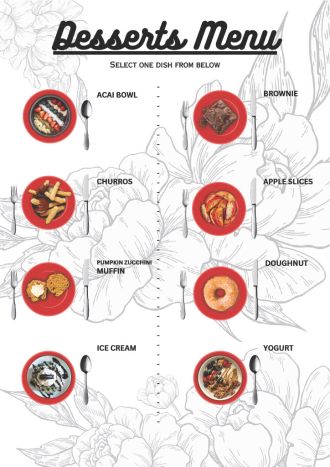
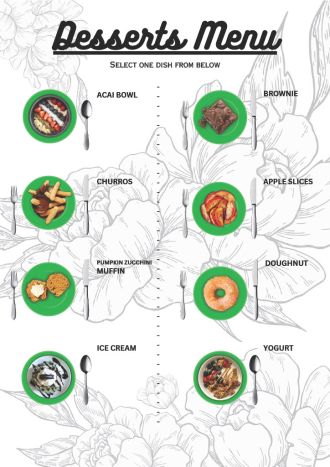
New research from Flinders University indicates that the colour and size of a dining plate can have mixed results in regulating meal size – so it may not be the best way to boost healthy eating choices.
“We wanted to further explore evidence that altering the size and colour of a plate for particular dishes or menu courses could become a cost-effective way to reduce unhealthy food choices and portion sizes,” says Ms Shaya Mittal, from the Flinders Institute for Mental Health and Wellbeing (FIMHWell).
The study assessed how 232 female participants responded to making healthy food choices using different coloured plates and sizes.
Lead author and Flinders psychology PhD student Shaya Mittal says respondents to the online survey did not confirm the belief that changing the size or colour of a plate can significantly reduce overall portion size or selection of more unhealthy food choices from the menu.
However, among the data collected for a new article in Food Quality and Preference, there was an underlying preference for small size plate selection to eat smaller portions – as well as a higher preference for healthy desserts from red than green plates.
As well, the underlying analysis indicated regular restrained (smaller portion) eaters could be more likely to select a healthy main meal from a green plate while unrestrained eaters may be more likely to do so from a red plate.
Researchers say future studies could investigate portion size selection in a face-to-face setting, in a popup café type situation, rather than a pictorial menu so the true size of a serving could be seen. This could include the size and calorific count of the included foods, both healthy and unhealthy, to avoid underserving or overserving tendencies according to representative standard nutritional guidelines.
Professor Eva Kemps, the senior author of the study, says these studies are important to find evidence to support better ways to reduce common lifestyle-related diseases, including Type 2 diabetes, heart disease, chronic respiratory diseases, and intestinal cancers related to overeating, poor diet choices and overweight and obesity.
An international expert in eating behaviours, Flinders Professor Eva Kemps, adds that future studies could also recruit wider populations to test this approach to more healthy food choices.
The paper, ‘The effects of plate size and colour on portion size selections and health food choices’ (2026) by Shaya Mittal, Eva Kemps and Ivanka Prichard has been published in the Food Quality and Preference journal. DOI: 10.1016/j.foodqual.2026.105991.
Multimedia