 Sign In



 Australia; QLD
News release
From:
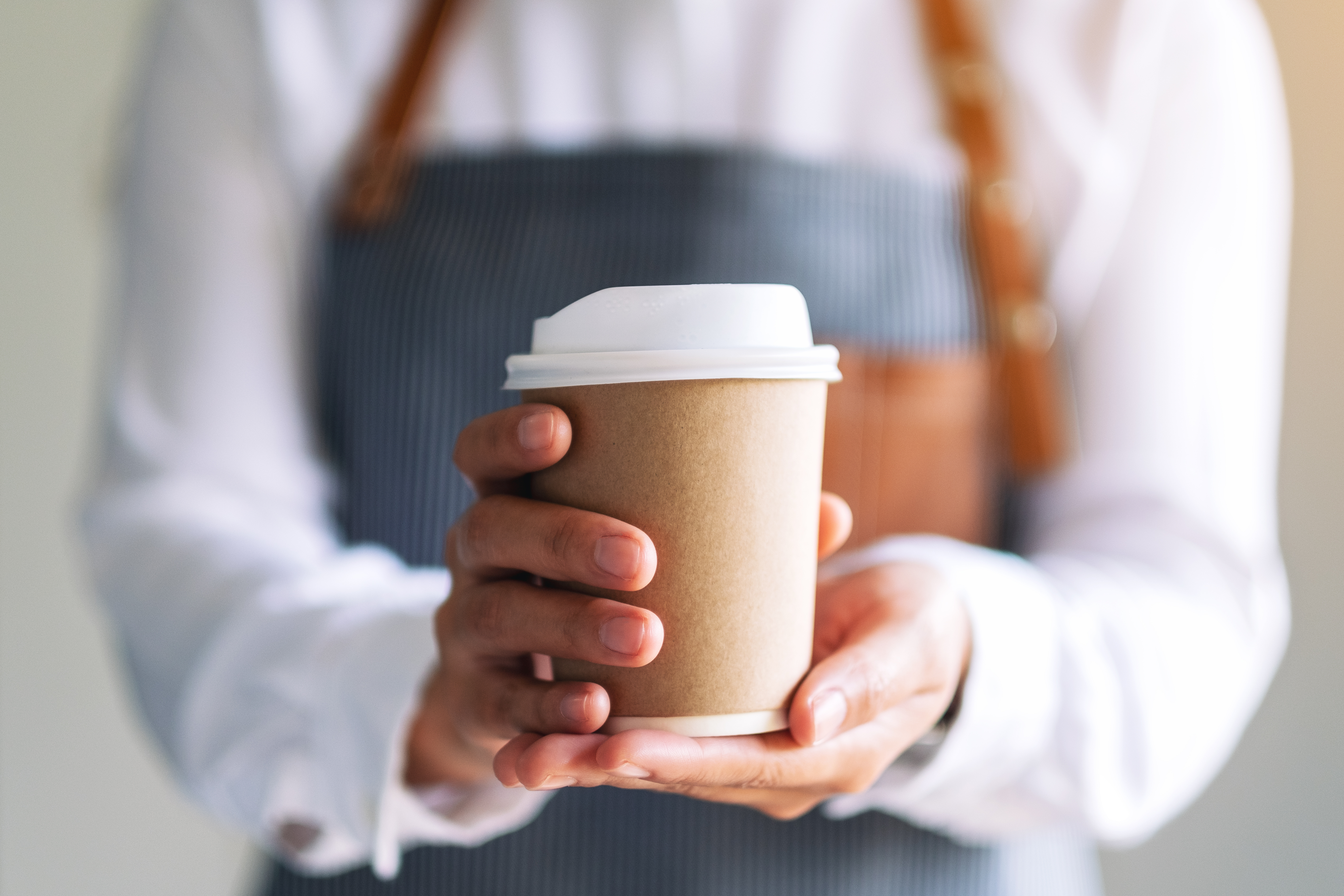
Single-use paper cups used for takeaway coffee and other beverages release millions of microplastic particles when exposed to hot liquid, University of Queensland researchers have found.
A team from UQ’s Queensland Alliance for Environmental Health Sciences examined single-use cups lined with fossil-based polyethylene (PE) or the biodegradable alternative polylactic acid (PLA).
Dr Elvis Okoffo said both types of cups were found to release plastic particles, but the PLA or biodegradable plastic-lined cups released 12 times more.
“Single-use paper cups are used every day by millions of people around the world for coffee, tea and other hot beverages,’’ Dr Okoffo said.
“A cup made mostly of paper does not mean that the cup is plastic-free because many contain a thin plastic lining that provides water resistance and structural integrity.
“Our results show that plastic-lined paper cups release substantial quantities of micro- and nanoscale plastic material when exposed to hot water.
“The PLA-lined cups released a total particle mass approximately 12-fold higher than PE-lined cups in our experiments.’’
Researchers measured approximately 4.3 million nanoparticles per millilitre from PLA-lined cups, compared with 2.7 million particles per millilitre from PE-lined cups.
The nanoparticles are around a thousand times thinner than a human hair.
Dr Okoffo said the study contributes to growing evidence that new plastic products used for food storage and preparation represent a significant yet often overlooked source of human exposure via ingestion.
“This does not mean that people should necessarily stop using paper cups, or that PLA is inherently unsafe,’’ he said.
“But the impact of plastic particles on human health is unclear and we know that the chemicals in plastic are not meant to be consumed.
“The materials used in food-contact products need to be evaluated not only for their environmental sustainability, but also for their particle-release behaviour during everyday use.
“This study fills an important knowledge gap about how single use paper cups lined with plastic materials can contribute to daily plastic exposure.’’
Dr Okoffo said consumers should be provided with information about the materials used to line paper cups and called for regulators to consider safety guidelines or product labels warnings.
“Policymakers and regulators could consider whether testing for micro- and nanoplastic release should form part of the safety assessment of food-contact materials, particularly products designed for hot beverages,’’ he said.
“Product manufacturers could also consider developing cup linings that release fewer plastic particles when exposed to hot liquid.
“By combining better product design, improved labelling, and public awareness, we can help limit the amount of plastic entering both our bodies and the environment.’’
Read the research in ACS Food Science & Technology.
Attachments
Note: Not all attachments are visible to the general public. Research URLs will go live after the embargo ends.


