 Sign In



 Australia; QLD
News release
From:
Sunburn could put the future of frogs at risk
Australian research has shown exposure to intense UV radiation for short periods causes catastrophic DNA damage in tadpoles, potentially contributing to the global decline of frog populations.
Aquatic ecologist Dr Niclas Lundsgaard said short bursts of exposure to high levels of ultraviolet B (UVB) – a recognised cause of sunburn in people – caused 50 per cent more damage to tadpoles than a lower level of UVB for a longer period.
“We found it was not just the total amount of UVB but also the intensity at which it was delivered that was overwhelming cell repair mechanisms leaving the tadpoles with residual DNA damage," Dr Lundsgaard said.
“It’s the kind of damage that could impact their growth, ability to metamorphose into frogs or even kill them.
“This is an important finding as we work to understand the impacts environmental changes such as a warming climate and changes to cloud cover along with habitat loss are having on frog populations.”
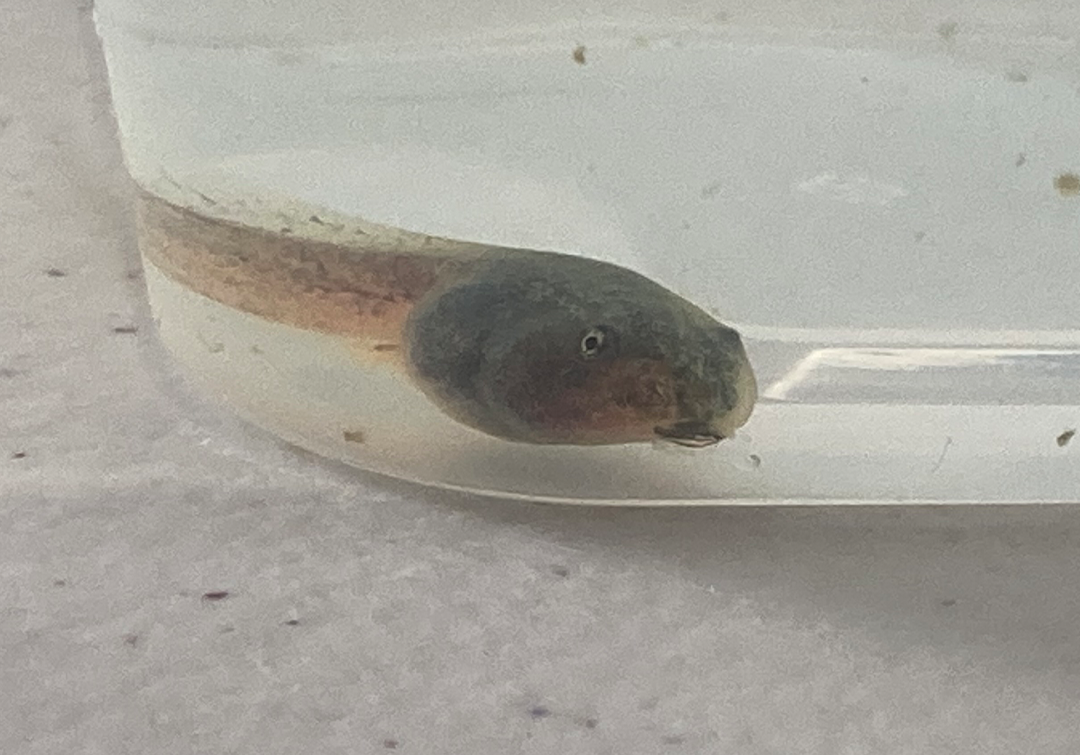
The laboratory study at The University of Queensland’s School of the Environment compared 2 groups of tadpoles from a common eastern Australian species, the striped marsh frog (Limnodynastes peronii).
One group experienced short-duration exposure to UV light at midday intensity levels, while the other spent twice as long under lamps with half of the UV intensity.
Dr Lundsgaard said by the end of the exposure periods, each group had received the same total UVB radiation dose.
“The hypothesis traditionally has been that because the tadpoles were getting the same amount of radiation, the effects should also be the same,” he said
“But we saw that high intensity exposure was much more damaging.
“Molecular analysis revealed high intensity exposure caused DNA damage to accumulate 3 times faster, with more damage carrying over into the following day.
“We also found smaller tadpoles were the most sensitive and had more DNA damage.
“Knowing all of this for frogs raises questions for other animals and is an area for further research.”
The research paper is published in Journal of Experimental Biology.

