 Sign In



 International
News release
From:
Staple crops linked to deforestation worldwide
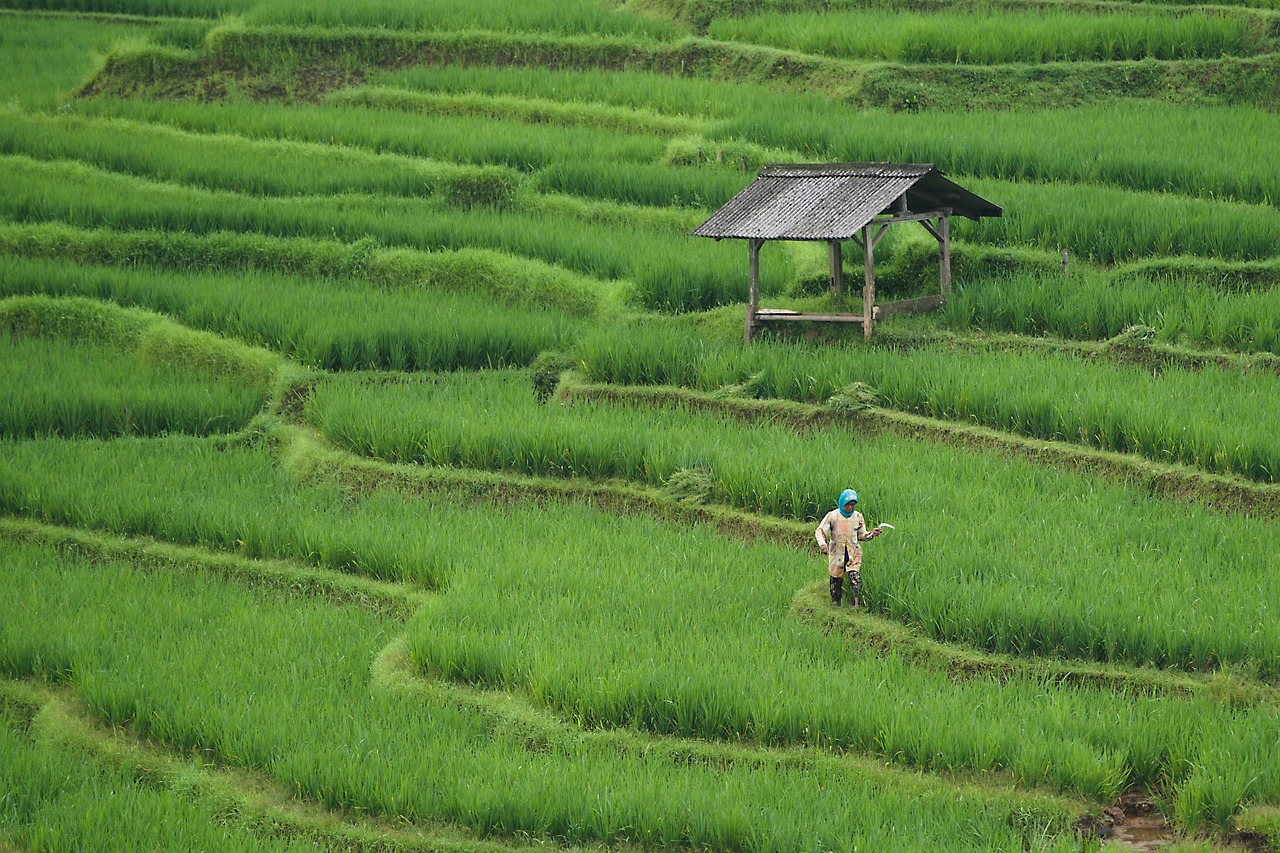
Rice, maize, and cassava crops cumulatively account for approximately 11% of total global deforestation — exceeding that of cocoa, coffee, and rubber — according to an analysis between 2001 and 2022, published in Nature Food. These staple crops should not be overlooked in global efforts to reduce deforestation, the authors argue.
Agriculture is recognised as a significant cause of deforestation, and global efforts to reduce deforestation predominantly focus on cattle meat, oil palm, rubber, soya, cocoa, and coffee. However, understanding the effects of agriculture has been challenging as existing data are either geographically limited or do not capture important land-use change dynamics related to food production. This has limited the ability of governments, companies, and civil society to track progress towards deforestation-free supply chains and climate targets.
Chandrakant Singh and Martin Persson developed the Deforestation Driver and Carbon Emissions (DeDuCE) model, which combines satellite data of tree cover loss with spatial and statistical agricultural data across 184 food commodities in 179 countries. They find that rice, maize, and cassava together contribute to roughly 11% of global deforestation. In total, 121 million hectares of forest were lost from 2001 to 2022 due to the expansion of croplands, pastures, and forest plantations, resulting in emissions of 41.2 gigatonnes of carbon dioxide. The deforestation associated with staple crops is found to be globally distributed, unlike other commodities whose production and deforestation are concentrated in specific regions. For example, oil palm in Southeast Asia and soybeans in South America. Additionally, pasture expansion accounted for 42% of deforestation and 52% of carbon emissions.
The findings improve our understanding of the environmental effects of staple food systems and could inform national greenhouse gas inventories and support regulatory frameworks. This study also highlights the variation in quality of spatial and statistical data by region and commodity.
Attachments
Note: Not all attachments are visible to the general public. Research URLs will go live after the embargo ends.


