 Sign In



 International
News release
From:
Metabolism: Early sensory cues may shape obesity risk in mice
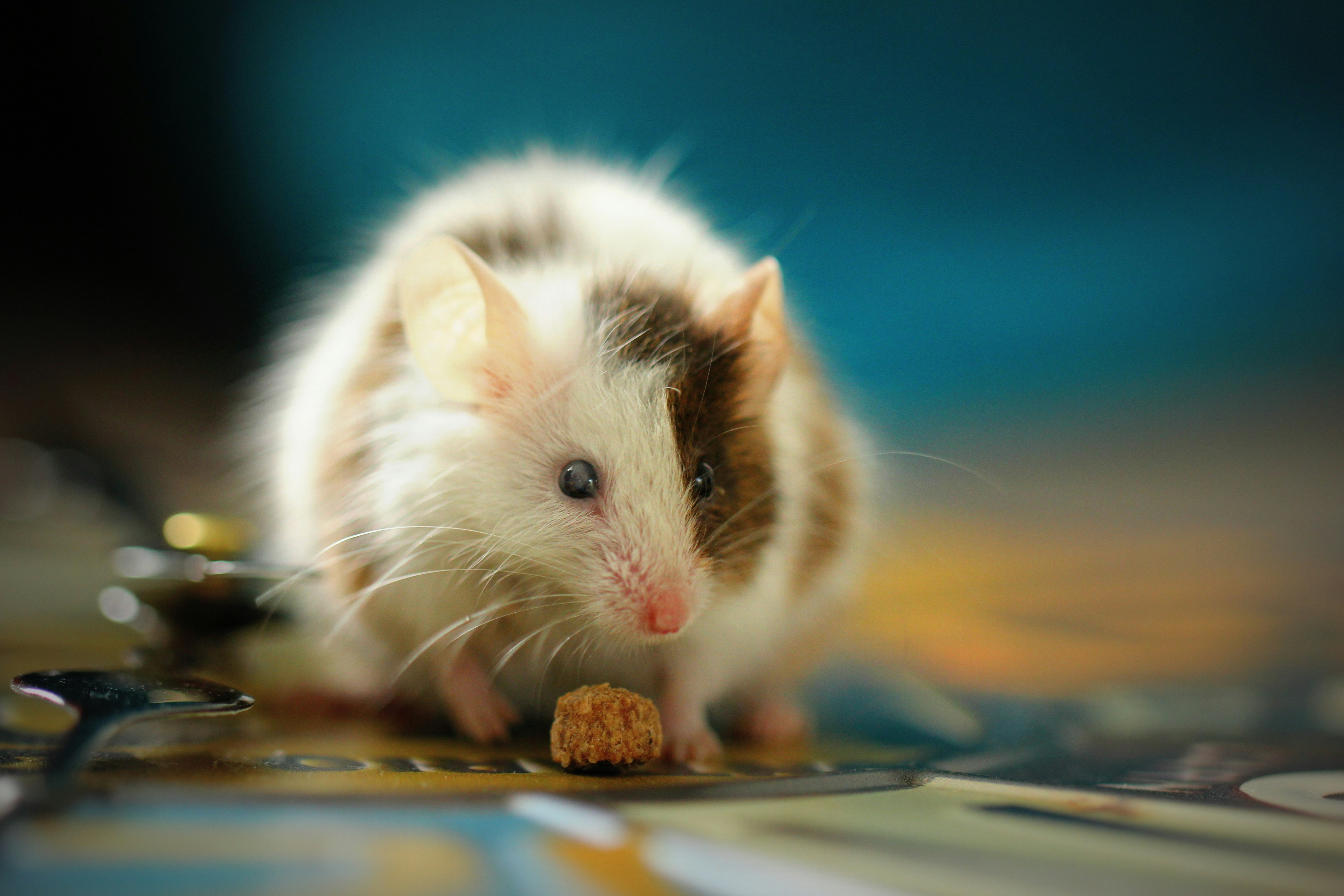
Exposure to smells associated with fatty foods, such as bacon, during development may change how the brain responds to food and increase the risk of obesity later in life, according to research conducted in mice. The findings, published in Nature Metabolism, suggest that certain sensory components of the maternal diet may influence metabolism in mice offspring.
Maternal consumption of high-fat diets has long been associated with increased obesity risk in offspring, typically attributed to the caloric and nutritional composition. However, food also contains volatile compounds that can be transferred to the fetus and neonate via amniotic fluid and milk. These sensory signals are known to shape the food preferences of offspring later in life, but their role in metabolic programming has remained unclear.
Sophie Steculorum and colleagues developed a mouse model to isolate the effects of fat-related odours from nutritional content. Mothers were fed either a bacon-flavoured diet with the same nutritional value as normal chow, or normal chow. The authors observed that maternal body weight and weight gain among fetuses was the same for both diets. However, offspring exposed to the bacon-flavoured diet showed an increased accumulation of body fat and insulin resistance and reduced energy expenditure when fed a high-fat diet in adulthood, despite no changes in maternal health or milk composition. Brain activity analyses revealed altered activity in reward circuits and hunger neurons in these mice, resembling responses typically seen in obese animals.
The findings suggest that there may be a period during early life when sensory experiences can shape long-term metabolic health in mice. The authors note that further research is needed to establish whether this association also applies to humans.
Attachments
Note: Not all attachments are visible to the general public. Research URLs will go live after the embargo ends.


