 Sign In



 International
News release
From:
Robot-assisted therapy for children with autism can be as effective as conventional therapy – and more engaging, too
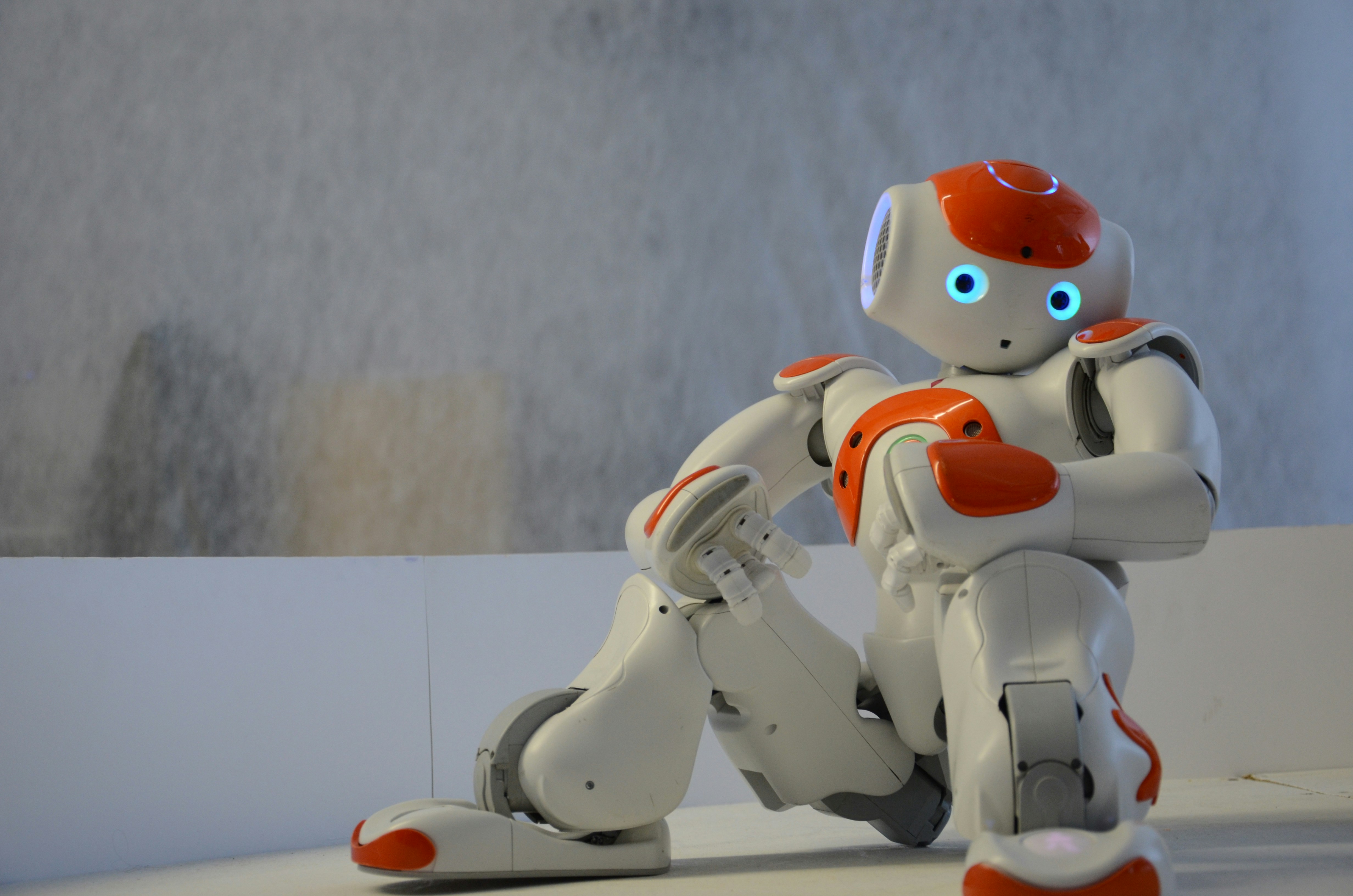
Science RoboticsTwo new randomized clinical trials of robot-assisted therapy for young children with autism have found that sessions with the robot provide outcomes equivalent to conventional therapy, but with a significant increase in engagement from the children. One of the trials by Daniel David and colleagues involved a portable, real-world setup of the technology (as opposed to a static lab setup), further supporting the potential of robot-assisted therapy for autism interventions. While roles for robots in autism spectrum disorder (ASD) therapy have been explored for decades, clinical evidence of their efficacy and effectiveness is limited. The clinical trials by David et al. focused on imitation, joint attention, and turn-taking – all fundamental abilities that also provide the building blocks for more complex skills. The first trial included 69 children and 12 bi-weekly sessions of in-clinic, robot-assisted therapy to test the efficacy of the treatment, while the second trial included 63 children and five sessions, using a portable robot set-up suitable for home or school use to test effectiveness. The robot-assisted interventions were as effective as conventional therapy at addressing some ASD symptoms and mechanisms of imitation, joint attention, and turn-taking in children. At the same time, children appeared to be more engaged and less likely to lose interest in the training when the robot was involved. David et al. note that the trial designs were developed in consultation with parents, teachers, and children, and that the robot-assisted therapy was supervised by a human therapist.
Attachments
Note: Not all attachments are visible to the general public. Research URLs will go live after the embargo ends.


