 Sign In



 Australia; NSW; QLD; SA
News release
From:
New strategies may be needed to protect infants older than 6 months against the highly infectious Respiratory Syncytial Virus or RSV, a University of Queensland study has found.
The study examined 18,683 cases of RSV among Queensland children under 2 years of age between 2022-2023, finding particularly high rates of the virus in children aged 0-15 months.
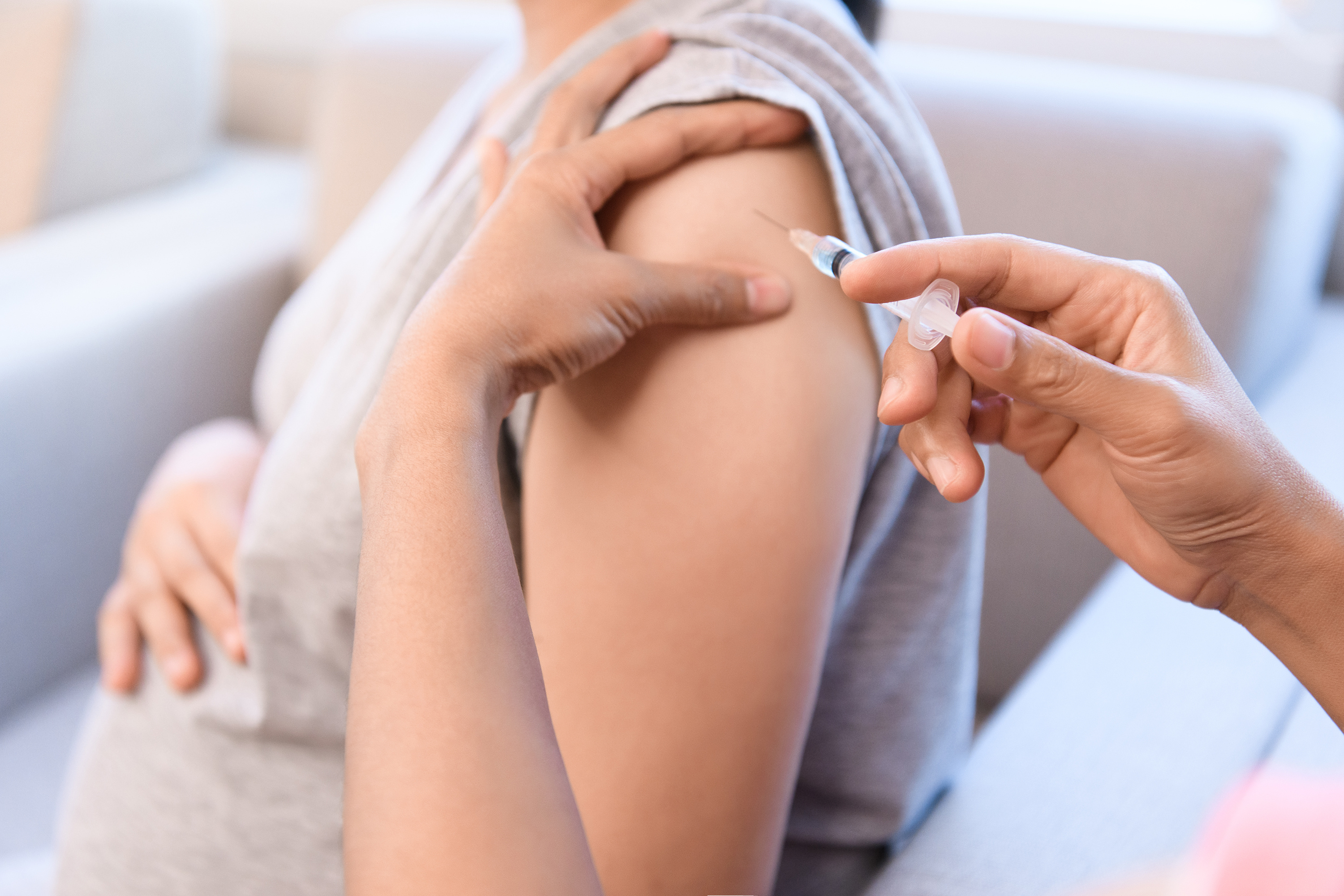
Dr Lisa McHugh, from UQ’s School of Public Health said protection from RSV immunisations administered to mothers during pregnancy or to infants at birth could provide protection to babies up to about 6 months, but the study found cases were still very high up until 15 months old.
“Currently pregnant women in their third trimester or babies from birth up until 8 months of age can access RSV immunisations for free,” Dr McHugh said.
“This service is provided in Queensland year-round, but babies currently aren’t eligible for immunisation after birth if their mother was vaccinated during pregnancy, unless they are at higher risk of severe disease.
“This means infants will get about 6 months protection from either the maternal vaccine or immunisation after birth.
“However, our study shows an urgent need to consider new strategies to protect babies older than 6 months when protection from maternal or birth-dose immunisation declines.’’
RSV is a leading cause of hospitalisation from bronchiolitis and pneumonia in Australian children under 2 years old.
Using Queensland Notifiable Conditions Systems data, the study found the highest numbers of RSV cases were recorded in 0 to 12-month-olds in Queensland, with 10,613 cases reported in this age group.
“It is extremely common, causing about 12,000-15,000 hospital admissions annually, costing the country’s healthcare system up to $121 million per year,” Dr McHugh said.
The study also examined socio-economic factors, family size, and remoteness.
PhD candidate and lead author Sarah Graham said Queensland children living in larger families or in arid or semi-arid climates experienced a higher burden of RSV in 2022-2023.
“RSV has a greater potential of spreading in larger households, as older siblings often bring the virus home from school or daycare and pass it on to infants,” Ms Graham said.
“The higher incidences of RSV infections reported in hotter and drier parts of Queensland could be an anomaly – we don’t know why, and we would need to review RSV data over the next few seasons to see if this pattern continues.
Ms Graham said Queensland had significant climate zone diversity with coastal areas of high humidity and rainfall, and hot and dry areas towards the state’s interior.
They also found lower incidence of RSV in remote areas, but this could be due to under-testing.
“Rather than a roll-out of a one-size fits all approach to ensuring adequate RSV immunisation coverage for Queenslander’s infants, we would benefit from strategies that tailor to different climatic and socio-economic factors,’’ Ms Graham said.
“Some climate zones see outbreaks earlier or later in the year, so that may mean starting health promotions at different times in different regions.
“We would like to research this area further and also dive deeper into the drivers of severe RSV cases that cause hospitalisation and ICU admissions.”
The research is published in BMC Public Health.

