 Sign In



 International
News release
From:
Most obesity drugs do not improve quality of life or heart health
Treatment decisions should be individualised, balancing expected benefits, harms, treatment burden, costs, availability, and patient preferences, say researchers
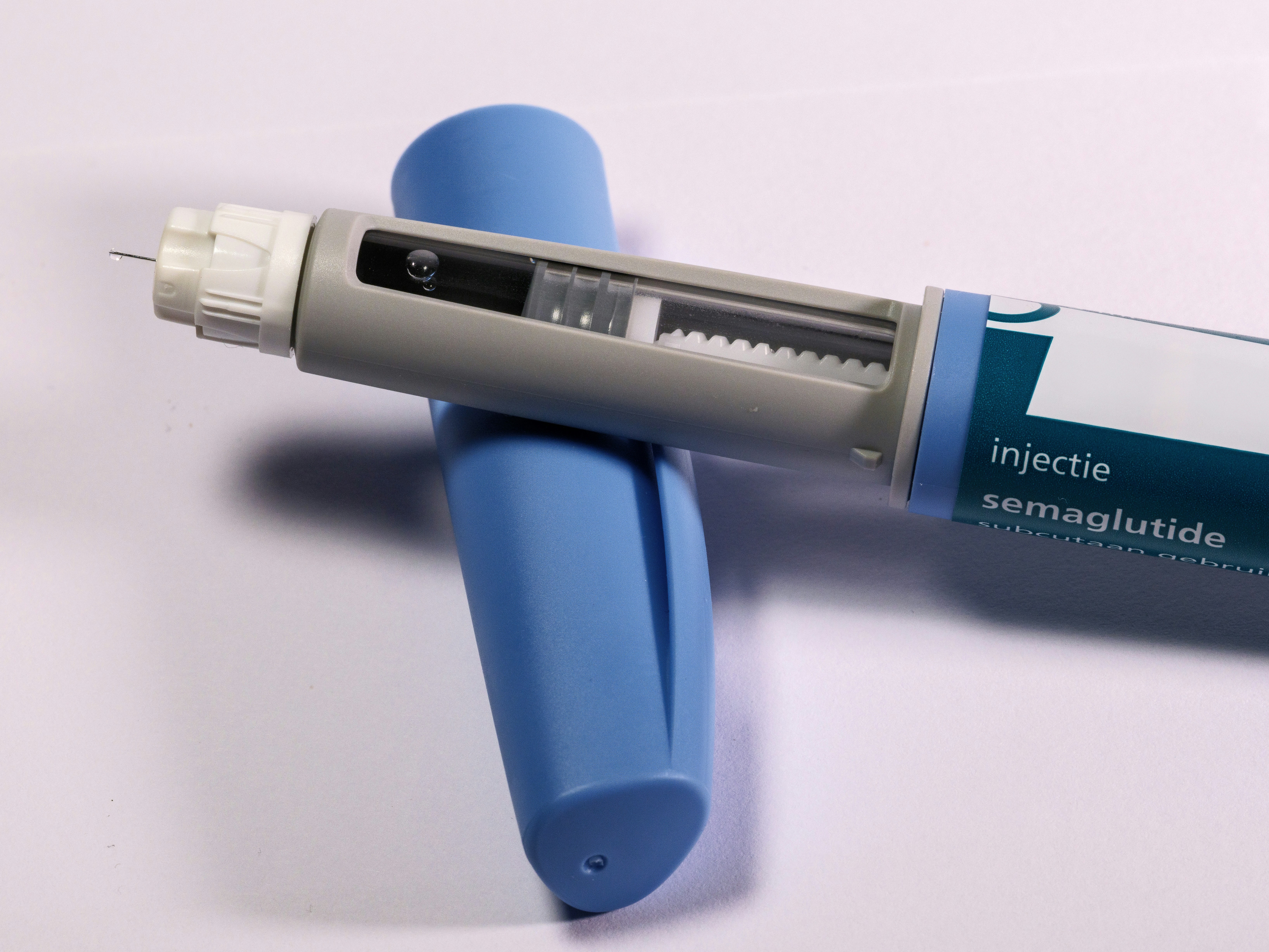
Despite substantial weight loss, most obesity drugs such as Wegovy and Mounjaro do not meaningfully improve quality of life and few show cardiovascular benefits at one year, finds an analysis of the latest evidence published by The BMJ today.
More weight loss is also generally accompanied by greater harms including stomach and bowel symptoms, fatigue, and loss of lean (muscle) mass - and improvements are not sustained after stopping treatment.
Several drugs for adults with overweight or obesity produce substantial weight loss, but most have not been compared directly in head-to-head trials, leaving uncertainty about the broader balance of benefits and harms.
To address this, researchers searched scientific databases for randomised controlled trials comparing one or more drugs with lifestyle changes, placebo, or another drug.
They found 262 eligible trials involving 99,791 participants (average age 49; 63% female; average BMI 35) that evaluated 19 currently available and emerging obesity drugs with follow-up from 12 to 172 weeks.
Benefits included changes in body weight, fat mass, and quality of life, while potential harms included changes in lean mass, gastrointestinal adverse events, gallbladder related disorders and fatigue.
The trials were of varying quality, but the researchers were able to assess the certainty of evidence using the recognised GRADE system.
Compared with lifestyle changes alone, the largest weight loss after one year was with tirzepatide (14.9%) and CagriSema (14.8%), followed by oral semaglutide (10.9%), orforglipron (9.9%), subcutaneous semaglutide (9.8%), and phentermine-topiramate (8.1%).
Emerging drugs - including retatrutide, ecnoglutide, and mazdutide - showed large effects on weight loss but are supported by low or very low certainty evidence.
Greater weight loss was consistently accompanied by higher rates of side effects and treatment discontinuation, which the authors say indicates a clear benefit-harm trade-off.
Tirzepatide reduced fat mass the most (by 25.7%) but also lean mass the most (8.3%). Subcutaneous semaglutide was the only drug associated with a reduced risk of death from any cause (19%), heart attack (28%), and heart failure (57%). Tirzepatide also reduced heart failure risk by 51%.
No drug convincingly reduced kidney failure or showed clinically important improvements in quality of life.
The authors acknowledge that most trials had relatively short follow-up, limiting conclusions about long term safety, quality of life, and effects on heart and kidney health. In addition, evidence for several newer drugs was sparse and of low certainty, and trial populations may not fully represent real world patients.
However, they say this review provides a comprehensive and up-to-date comparison of currently available and emerging obesity drugs across a broad set of outcomes important to patients, clinicians, and policymakers.
They conclude: “Treatment decisions for obesity should be individualised, balancing expected benefits, harms, treatment burden, costs, availability, and patient preferences.”
This study represents an important step in providing comparative information to inform patient-clinician discussions about obesity drugs in this rapidly evolving landscape of treatment options, say researchers in a linked editorial.
And they suggest future studies that incorporate individual characteristics, as well as long term outcomes, such as mortality, should provide additional data to inform individualised decision making.
Attachments
Note: Not all attachments are visible to the general public. Research URLs will go live after the embargo ends.


