 Sign In



 New Zealand
Expert Reaction
These comments have been collated by the Science Media Centre to provide a variety of expert perspectives on this issue. Feel free to use these quotes in your stories. Views expressed are the personal opinions of the experts named. They do not represent the views of the SMC or any other organisation unless specifically stated.
Dr Rebecca Evans (Te Rarawa, Te Aupōuri, Tangata Tiriti), Lecturer in the School of Communication Studies, AUT, and lead author of this research, comments:
"The Growing Up in New Zealand dataset is a real taonga, and we can use it to look for not only children's health issues but also things that make them resilient and bring them joy.
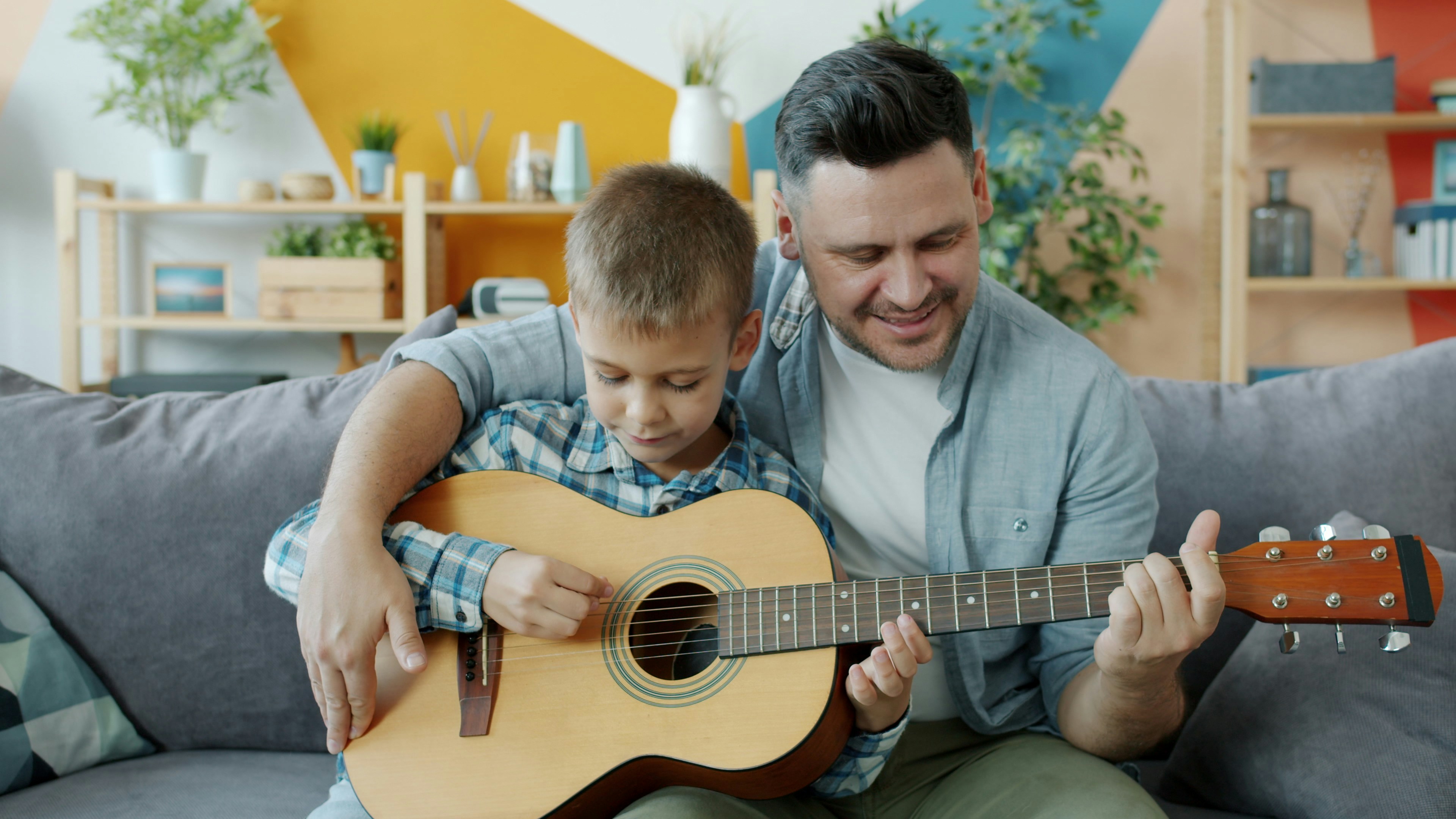
"Music is a huge part of children's lives, from singing in school assemblies to live gigs at festivals if they're lucky enough to be taken along. There are different ways children engage with music as they grow, but also as new technologies become more accessible, so it's important to track how and who has access to music.
"We found that as children got older, their parents sang to them less - but they listened to more music on their own. As children grow, they're becoming more independent and choosing their own music to sing along to.
"Whanau Māori were found to sing more consistently to their children across childhood, showing how deeply important singing and storytelling are for Māori as a way of sharing cultural knowledge and preserving language."

Attachments
Note: Not all attachments are visible to the general public. Research URLs will go live after the embargo ends.

