Sign In



 Australia; SA; WA
News release
From:
New solution for moderate-to-severe sleep apnoea
In less than 90 minutes, a new, less invasive electrical stimulation technique has been found to improve breathing in people with sleep apnoea.
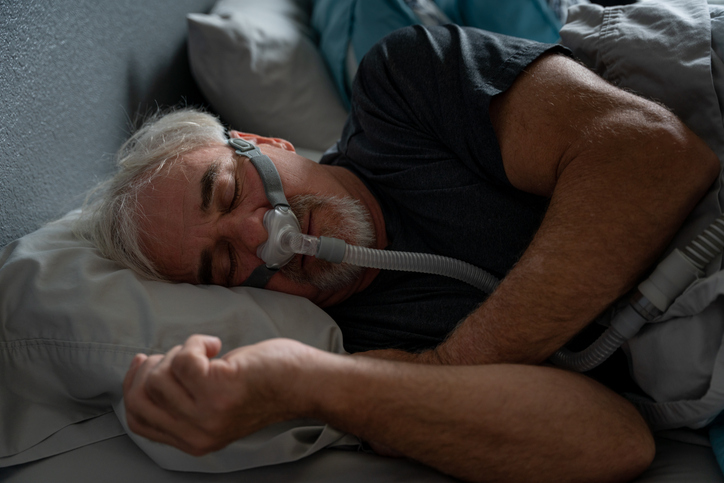
A study by researchers and clinicians at Flinders University has demonstrated the potential of a minimally invasive surgical technique to improve outcomes for people with obstructive sleep apnoea (OSA) who are unable to tolerate CPAP therapy.
The technique, which involves percutaneous hypoglossal nerve stimulation (HNS), was tested on 14 people with OSA under sedation during a procedure designed to mimic sleep apnoea breathing patterns.
Unlike traditional HNS methods that require incisions, this approach uses ultrasound guidance to place temporary stimulating electrodes through the skin, activating the tongue muscle to keep the airway open during sleep.
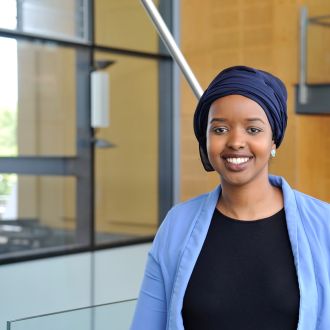
Lead author Dr Amal Osman from Flinders University says the results were highly encouraging.
“We saw significant improvements in breathing in 93% of participants, with airflow increases comparable to CPAP therapy, even when the upper airway was completely closed,” says Dr Osman, a researcher from FHMRI Sleep Health.
“This approach may reduce recovery time and costs, while improving success rates for people who cannot tolerate conventional treatments.”
The study adds to growing global interest in neurostimulation as an alternative to device-based therapies for sleep apnoea.
Professor Simon Carney, one of the ENT surgeons at Flinders Private Hospital and co-author of the study, says the technique is safe, quick, and easily implemented.
“It’s a 90-minute procedure performed under ultrasound guidance with minimal discomfort,” says Professor Carney.
“Importantly, we were able to open airways in patients previously considered unsuitable for HNS.”
Professor Eng Ooi, Head of Otolaryngology at Flinders Medical Centre, says the findings could help pave the way for more accessible and tolerable treatment options.
“We believe this could become a viable option for patients seeking alternatives to CPAP,” says Professor Ooi.
The research team is now working to refine the technique for longer-term use, including outpatient procedures and integration with wearable technologies.
They also aim to identify which patients are most likely to benefit, based on individual airway anatomy and sleep patterns.
Senior author and international sleep expert Professor Danny Eckert, says the team is optimistic about the future of nerve stimulation in sleep medicine.
“Our goal is to give patients more choices and better outcomes,” Professor Eckert says.
“This study shows that with innovation and the right tools, sleep apnoea treatment can become more accessible, comfortable, personalised and effective.”
The paper, ‘Novel hypoglossal stimulation markedly improves airflow and airway collapsibility in OSA’, by Amal M. Osman, Simon Carney, Eng H. Ooi, Himani Joshi, Barbara Toson, Carolin Tran, Anna Hudson, Phuc Nguyen, Nick Gelekis, Peter R. Eastwood, Peter Catcheside and Danny J. Eckert was published in September 2025 in CHEST journal. DOI: 10.1016/j.chest.2025.08.020
Acknowledgements: This work was supported by Invicta Medical Pty Ltd, now Restera (sponsor). DJE is funded by a National Health and Medical Research Council of Australia Leadership Fellowship (1116942).
Multimedia