Sign In



 Australia; NSW; VIC
News release
From:
New research shows 'liquid gold' breast milk donations reduce the rate of life-threatening disease in Australian premature babies by more than a third
The rate of a life-threatening gut disease called Necrotising Enterocolitis (NEC) has decreased by 38 per cent in very premature babies who received donated breast milk from Australian Red Cross Lifeblood, according to research published in the Journal of Paediatrics and Child Health.
The study is the first in Australia to look at the benefits and risks of donated breast milk for very preterm babies born less than 32 weeks.
Necrotising Enterocolitis (NEC) is the most common cause of death in the 26,000 Australian babies born prematurely each year. It causes intestinal inflammation and tissue damage. These effects can lead to blood infection, or sepsis, and organ failure.
While a mother’s own milk is best, premature babies often need extra nutrition in the early weeks of life, whilst mum’s own supply is established. In these cases, donated breast milk is recommended by the World Health Organisation for premature, very sick, or small babies.
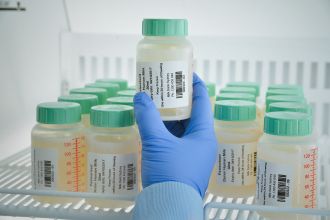
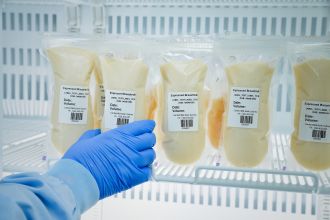
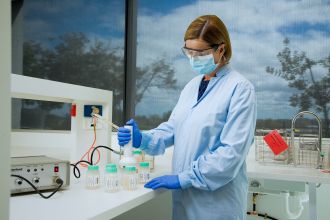
Australian Red Cross Lifeblood’s milk donation service was established in 2018. At the time, around three-quarters of premature babies didn’t have access to donated breast milk. The service now supplies more than 4800 litres to 45 hospitals across the country, from dedicated milk facilities in Sydney and Brisbane. Demand continues to grow.
Led by Lifeblood, in collaboration with the Australian and New Zealand Neonatal Network, the study examined preterm infant outcomes before and after the launch of the milk service. Data from 15 hospitals covered 4,395 infants born at 32 weeks of gestation or less between 2018 and 2020.
Lead researcher Dr Laura Klein explained that using donor breast milk instead of infant formula as supplementary nutrition can significantly reduce the risk of NEC for these preterm babies. NEC is a major health challenge because of its high rate of mortality.
“Our research shows that donated breast milk is a simple intervention that can significantly reduce the risk of Necrotising Enterocolitis, which causes stress and heartache for many NICU families,” Dr Klein said.
“Interventions which can reduce NEC are very important, particularly as Australian neonatal intensive care units are seeing more admissions of infants born at 24 weeks’ gestation, who are at the highest risk for NEC.”
The study also found no association between the availability of donated breast milk and breast milk feeding at discharge, and no link with infections or mortality.
“It is very important that donated breast milk doesn’t impact maternal breastfeeding and is offered as part of lactation support, rather than in place of it” explained Dr Klein.
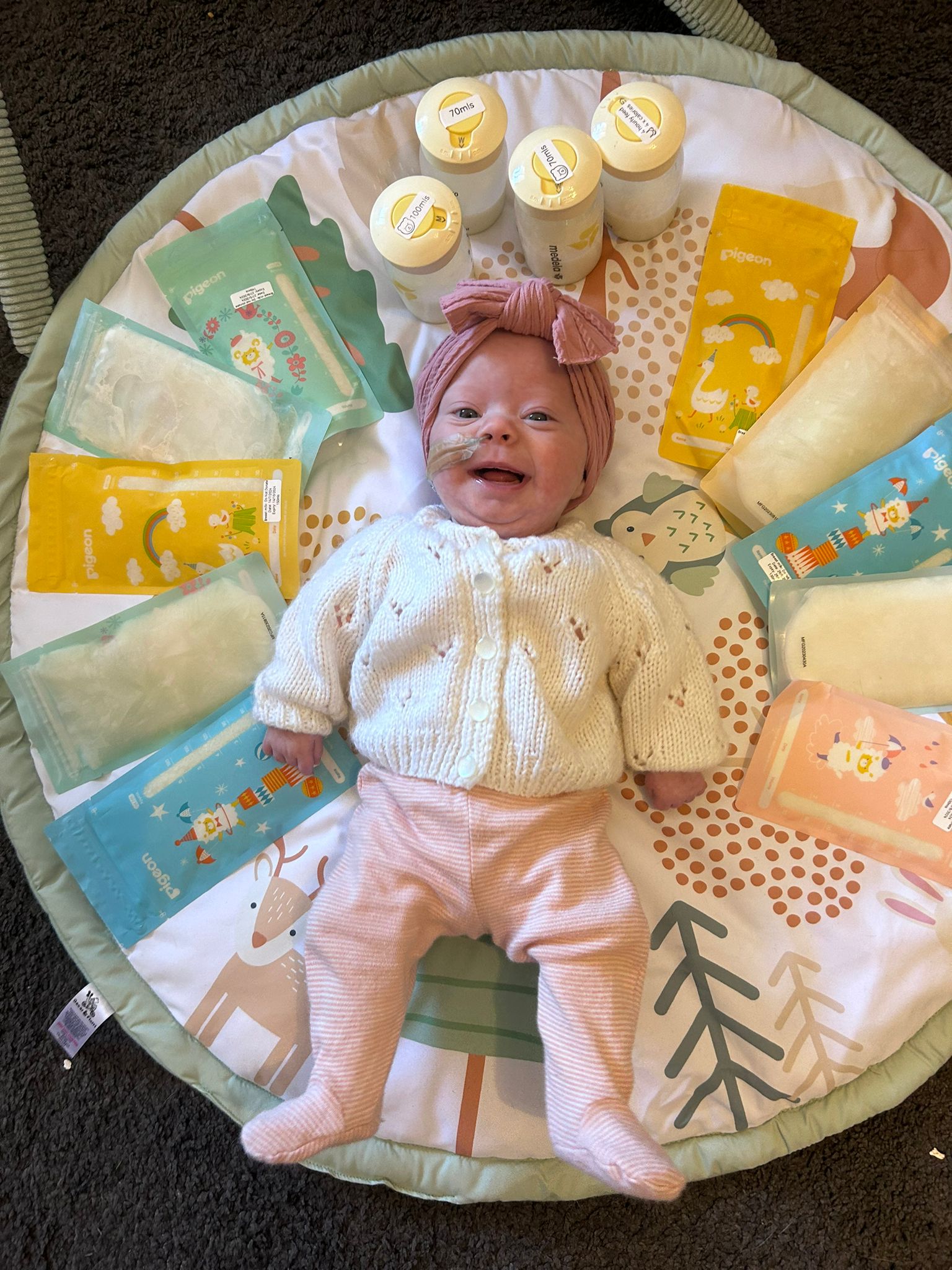
Sydney milk donor Aanal became a donor to Lifeblood’s milk service after the early arrival of her daughter, Maryam, at 31 weeks.
"Maryam was an unexpected early arrival, and with baby still in the NICU, I was pumping eight times a day to ensure milk to help her grow, and I was running out of space in my freezer."
A community nurse in Marsden Park introduced her to a local milk donation service, something she wanted to do but knew little about.
"It was a convenient and easy way to donate. Maryam had only been home a few days when I started donating," she recalled.
The mother’s gratitude for the support she received motivated her to help others. Aanal has since donated more than 100 litres of breast milk to help other mothers.
"We received donated breast milk while my supply was coming in. I was in hospital for 10 days with sepsis, in the ICU and needed support. Because she was too small to have formula, it was a relief to have the milk available,”
"Breast milk was so important to us. My husband used to deliver my milk in the middle of the night—that’s how critical it was for Maryam. It was a wonderful feeling to be able to help other mothers who might be in the same situation.”
Information about where Lifeblood collects milk and how to become a donor can be found at lifeblood.com.au/milk.
Multimedia