Sign In



 Australia; VIC
News release
From:
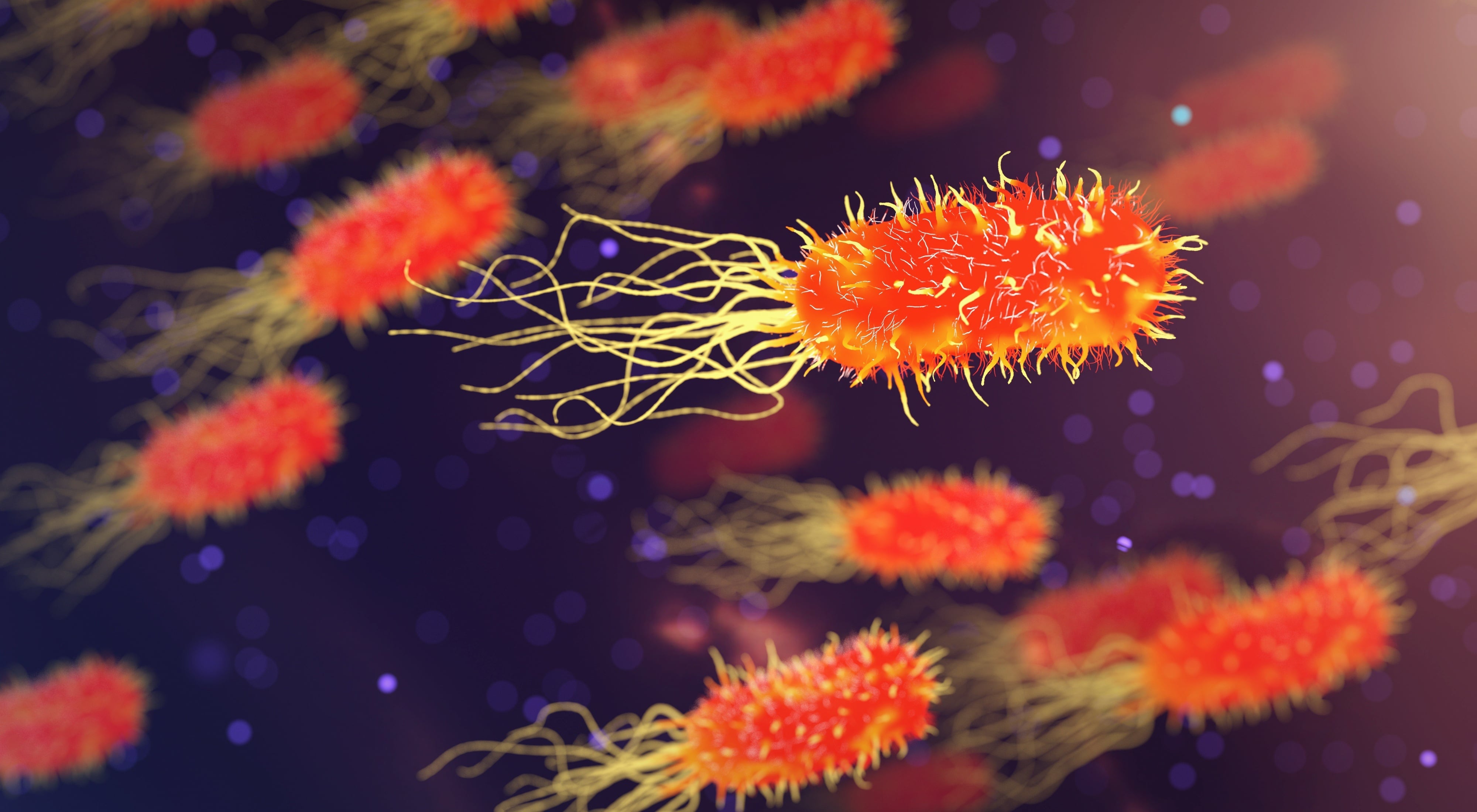
A Monash University-led study has found that an unusual pairing of two commonly used antibiotics can kill and stop the spread of resistance in a highly drug-resistant bacterium, Pseudomonas aeruginosa, which can cause life-threatening bloodstream infections, pneumonia and meningitis.
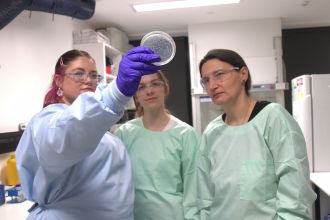
Published in The Lancet Microbe, Monash Institute of Pharmaceutical Sciences (MIPS) researchers used a validated laboratory infection system in which they were able to expose bacterial samples from infected patients to simulated antibiotic dosing regimens, as would actually occur in hospitalised patients.
The discovery of the combination regimen of two so-called β-lactam antibiotics – the most commonly used antibiotics class against serious infections – comes in the context of the World Health Organization’s designation of Pseudomonas aeruginosa as a high-priority pathogen requiring rapid and sustained action.
Antimicrobial resistance (AMR) is one of the top global public health threats and was directly responsible for 1.14 million deaths in 2021. The impact of AMR puts many of the gains of modern medicine at risk, including jeopardising procedures and treatments such as surgery, caesarean sections and cancer chemotherapy.
AMR occurs when bacteria change over time and no longer respond to previously successful antibiotic treatments. Bacteria that develop AMR to several of the commonly used antibiotics can cause infections that are harder to treat, increasing the risk of disease spread, severe illness and death.
The development of new antibiotics has not kept pace with the rapid rise in AMR, which means some bacteria, such as Pseudomonas aeruginosa, have become resistant to essentially all available antibiotics.
Co-lead author, Associate Professor Cornelia Landersdorfer from MIPS, said their method was applied to the combination regimen of two β-lactam antibiotics, as well as treatments with each of the antibiotics alone. The combination regimen was very successful, as it resulted in much faster and generally substantially greater killing of bacteria than each antibiotic alone. In addition, the combination regimen very substantially suppressed resistance to both antibiotics.
Subsequently, a mathematical model, utilising quantitative systems pharmacology (QSP), was developed to describe the data from the infection system, and predict likely outcomes in patients. QSP models incorporate biological information, such as genetic information, to describe and predict how medicines work against disease in the human body.
“The QSP modelling approach coupled with genomic analysis performed in hospitals could represent a step towards optimising and personalising antibiotic regimens against life-threatening infections caused by Pseudomonas aeruginosa,” Associate Professor Landersdorfer said.
“This research is important because previous approaches to selecting an antibiotic regimen do not account for important pre-existing bacterial characteristics, including mutations, that can influence resistance emergence in bacterial patient isolates of important pathogens such as Pseudomonas aeruginosa.”
The QSP model in the current study is the first to incorporate information on the various resistance mechanisms present in bacterial samples from infected patients before treatment, and those which emerge during therapy with an antibiotic.
The developed QSP model describes the full time-course of bacterial growth, bacterial killing and emergent antibiotic resistance across multiple Pseudomonas aeruginosa strains isolated from patients. Importantly, the model also incorporates the contributions of various resistance mechanisms, including resistance mutations, to the emergent resistance.
The predictive potential of the novel QSP model developed in the study offers the future possibility of tailoring an antibiotic regimen to the specific resistance and other characteristics of the bacterial strain causing a serious infection in a patient.
First author, Dr Siobhonne Breen from MIPS said, “resistance of Pseudomonas aeruginosa emerges rapidly even to new antibiotics when used as a single therapy. Therefore, it is important to identify optimal antibiotic combination treatments that maximise killing of the bacteria and suppress the development of further resistance”.
Co-lead author Associate Professor Antonio Oliver from the Instituto de Investigación Sanitaria Illes Balears (IdISBa) and Hospital Son Espases, Palma de Mallorca, Spain said the research indicates that “by identifying resistance characteristics through rapid diagnostics, a therapy adapted to the individual pathogen and infected patient is an exciting future prospect”.
Read the research paper: doi.org/10.1016
ASSETS AVAILABLE
Images available here.
Multimedia