 Sign In



 Australia; VIC; SA

News release
From:
Older Australians account for almost half of all hospitalisations and more than half of total patient days, yet there is no consistent way to measure if this care improves their quality of life, beyond just clinical outcomes.
A new Flinders University study aims to change this by developing the first quality-of-life (QoL) measure specifically designed for Australians aged 65 and over who receive subacute care, such as rehabilitation services that support recovery after illness or injury – and help people transition safely home or into ongoing care.
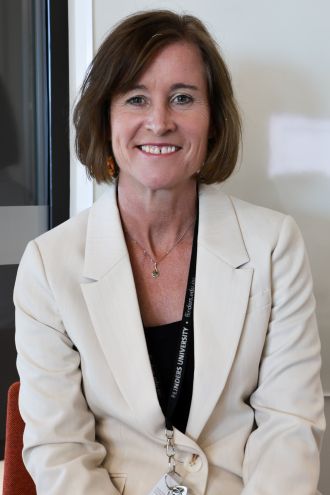
Lead researcher Dr Jenny Cleland says the project addresses a major gap in how healthcare is evaluated for older people.
"Quality improvements are urgently needed across the health system, particularly for older people who often have complex health needs, yet their voices are rarely heard," says Dr Cleland, from Flinders University's College of Health and Enablement.
"Most quality-of-life measures focus on clinical health, but older people tell us that independence, social connection, emotional wellbeing and participating in meaningful activities are just as important."
Working closely with older people and health partners, the research team will develop, validate and implement the first preference-based quality-of-life measure tailored for older people in subacute care.
The tool will enable consistent monitoring of quality-of-life outcomes across health and aged care settings, providing researchers, clinicians, service providers and policymakers with better evidence to evaluate services and inform care decisions.
The study builds on earlier national work that developed the Quality of Life-Aged Care Consumers (QOL-ACC), which is now used in the Australian Government’s National Aged Care Quality Indicator Program across more than 2,700 residential aged care homes.
"This is the first measure of its kind developed with older people, not just for them," says Dr Cleland. "We're now extending that work into healthcare settings to ensure older people's experiences are recognised across their entire care journey."
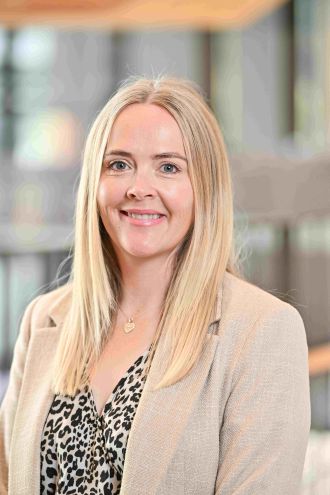
Matthew Flinders Professor Julie Ratcliffe, Professor of Health Economics in Flinders’ Caring Futures Institute and senior investigator on the project, says this research responds to the growing need for person-centred measures in an ageing population.
"We know older people regularly move between hospital and aged care services, but we haven't had a consistent way to assess whether those services are improving quality of life," says Professor Ratcliffe.
The project will involve in-depth interviews with older patients before testing and validating the adapted measure with hundreds of people receiving subacute care.
"Older people are the experts in their own lives, and this study is about listening to them," says Dr Cleland.
Researchers will use the findings to adapt, refine and validate the measure so it can be used for health service planning and investment decisions.
"It's important that resources are directed towards care models and innovations that genuinely improve people's lives," says Professor Ratcliffe.
Ultimately, the goal is to embed the measure across hospitals and subacute care services, creating a clearer picture of outcomes and helping drive improvements in care.
"For the first time, we have the opportunity to measure quality-of-life consistently across health and aged care systems, giving older Australians a stronger voice and helping deliver better care and better outcomes," says Professor Ratcliffe.
The paper, ‘A new health economic measure for improving the health and wellbeing of older Australians in subacute care settings: a study protocol’, by Jenny Cleland, Kiri Lay, Jyoti Khadka, Zoe Adey-Wakeling, Craig Whitehead, Dina LoGiudice & Julie Ratcliffe was published in BMC Geriatrics journal. DOI: 10.1186/s12877-026-07558-9
Professor Julie Ratcliffe and her team have developed tools to drive improvements in quality of care and quality of life to put older people firmly at the centre of all discussions about aged care and its delivery, financing and outcomes. See the team’s recently published work, Improving the quality of care for older Australians in hospital , Innovative assessment tools improve quality of life in aged care and Putting people at the centre to improve aged care
Acknowledgements: This work was supported by an NHMRC Investigator Grant (2024/GNT2033277) awarded to Professor Julie Ratcliffe. The funding agency (NHMRC) conducted independent peer review of the study protocol during the funding approval process.
Multimedia

Attachments
Note: Not all attachments are visible to the general public. Research URLs will go live after the embargo ends.


