 Sign In



 Australia; New Zealand
News release
From:
Dr Nic McDonald, Animal Welfare Manager at Companion Animals NZ and an author of this paper, comments:
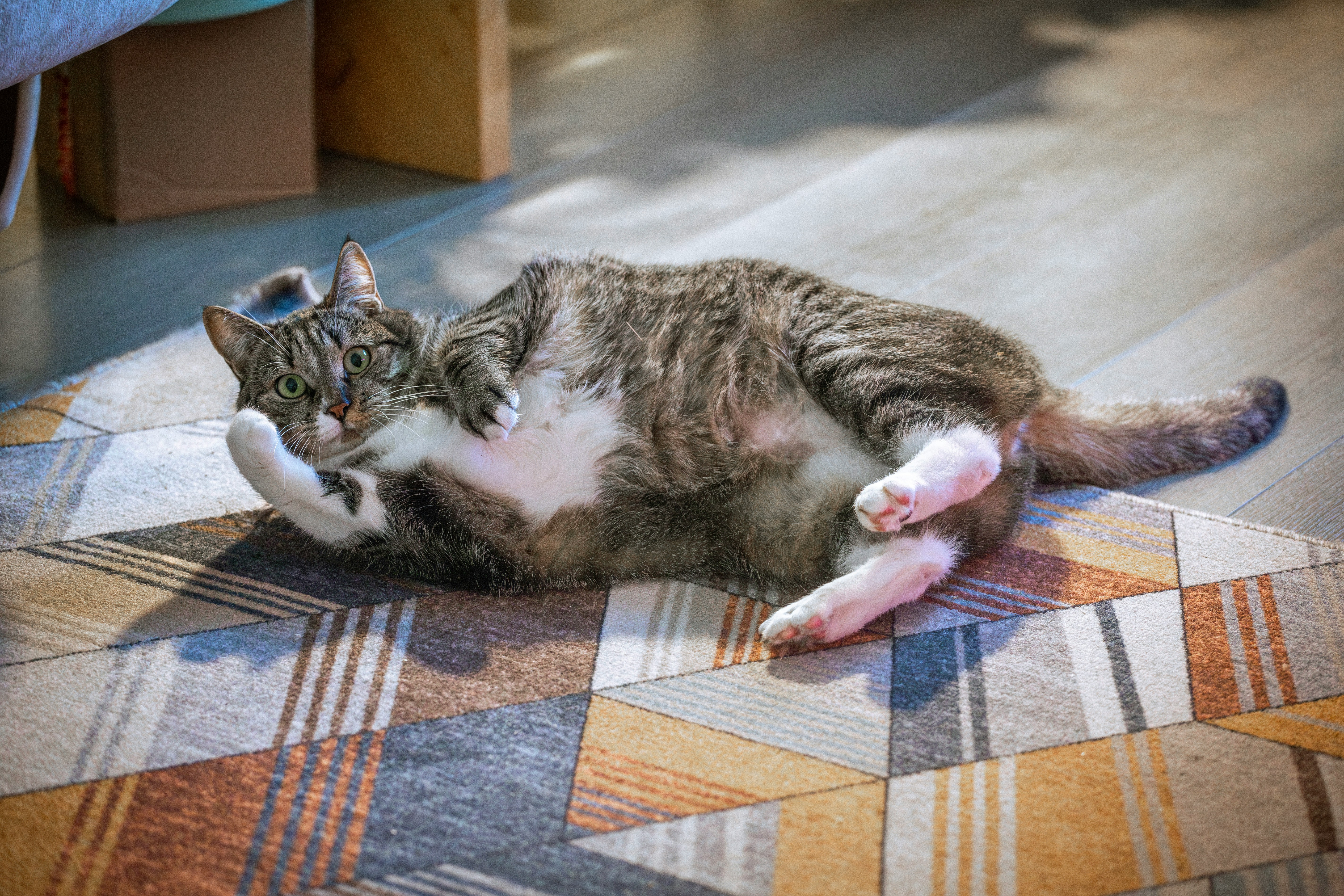
“This research contributes to growing conversations about how we live with, and house, cats as companion animals. The study explored why owners choose to bring cats indoors and how they experienced that transition for both themselves and their cats. Safety was the primary driver, followed by concerns for wildlife and changes in living circumstances such as moving house. Around 40% of owners reported their cat adjusted to indoor life immediately, and 35.6% described the transition as unplanned, often due to medical or safety concerns.
"Owners reported some practical and emotional challenges, including managing doorways, litter care, feelings of guilt, and concerns about meeting their cat’s enrichment needs. However, many said the transition was easier than expected, that their cats seemed happy, and that they intend to keep future cats indoors. The findings can inform future approaches to indoor cat management and how to better support owners making this transition where it is appropriate for both the cat and the household.”
Attachments
Note: Not all attachments are visible to the general public. Research URLs will go live after the embargo ends.


