 Sign In



 Australia; SA
News release
From:
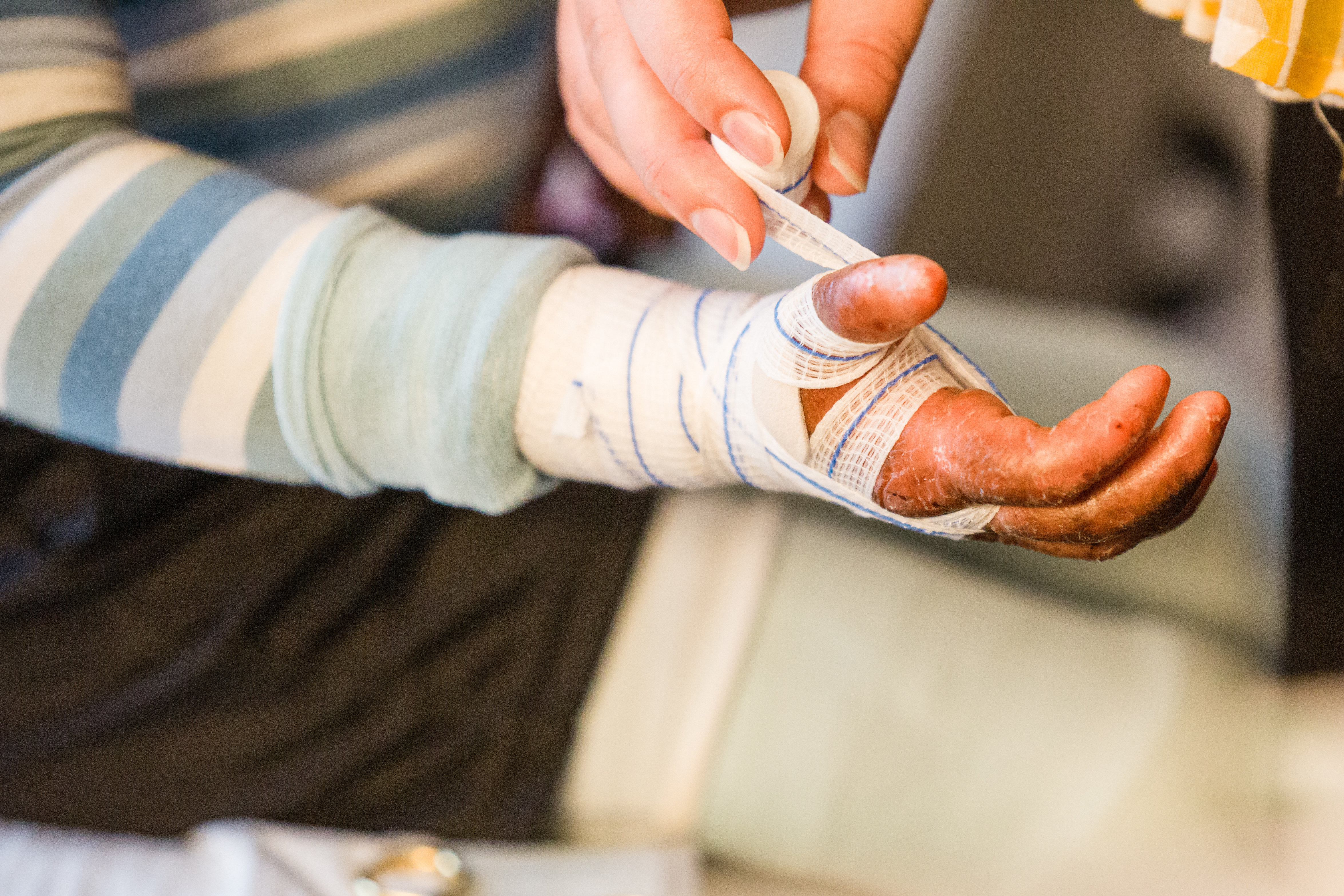
A new treatment approach for people living with Epidermolysis Bullosa (EB), a rare genetic condition that causes painful, chronic skin wounds, is being developed through the SMART CRC’s first collaboration.
Bringing together Adelaide University, AusHealth and EB Partnerships Australia (EBRPA) the collaboration will explore the use of bacteriophage therapy (naturally occurring viruses that target harmful bacteria) to address chronic wound infections and reduce reliance on antibiotics for people living with EB.
Delivered in South Australia, the initiative represents a joint investment of more than $1 million over 2.5 years by the four participating organisations.
SMART CRC CEO Professor Simon Cool said the collaboration reflects the Centre's commitment to translating scientific advances into meaningful benefits for patients.
“The SMART CRC exists to accelerate the translation of therapies that improve lives, which is why we are so proud to work on our first project with EBRP, AusHealth and Adelaide University to change the lives of people living with EB,” Professor Cool said.
“Developing treatments for rare disease communities helps accelerate therapies for more common diseases, greatly amplifying the impact of such important work,”
Led by Adelaide University Professor Sarah Vreugde, the project will be undertaken at the AusHealth Phage Therapy Centre in Adelaide.
AusHealth CEO Dr Justin Coombs said the research into purified virus particles (phage therapy) to kill several types of bacteria that commonly infect EB patients had already shown tremendous outcomes in the fight against infection.
“This substantial collaboration has the potential to make a real difference to the lives of EB patients,” he said.
“By identifying and developing combinations of bacteriophages that can be applied directly to EB wounds as a topical treatment, we will test whether these phage treatments can eliminate the bacteria most commonly found in EB wounds, helping to prevent or treat infection and support faster wound healing.”
“This could provide a much-needed new treatment for EB patients, improving wound healing and reducing reliance on antibiotics, while building evidence for phage therapies that could benefit patients with chronic and antibiotic-resistant infections beyond EB.”
EBRPA Chair and EB parent Nathan Burmeister said the initiative represents a new era of patient-led collaboration, ensuring families have a voice in the development of treatments that could improve the lives of people living with EB.
"I've sat on both sides of this - as a dad watching research move too slowly, and now as Chair making sure every dollar counts. Through this partnership, every dollar we put in brings three more with it. What our community raises goes further than it ever has, straight into research that matters to families like mine,” he said.
"This is being built right here in Adelaide, with world-class science behind it. For families like mine, that's not just a milestone on paper. It's the clearest sign yet that things are genuinely moving. I'm proud of what it took to get here, and I know what it will mean for the families still waiting."
This project will generate important evidence to support the future use of phage therapy in people living with EB, helping bring a promising new treatment option closer to Australian patients affected by chronic wound infections.
Additional partner quotes:
What is a bacteriophage and how do they work?
Project lead Adelaide University Professor Sarah Vreugde:
"Bacteriophages are considered a natural solution for the global antimicrobial resistance or superbug crisis where bacterial infections become untreatable with existing antibiotics," Professor Vreugde said.
"Just like certain viruses cause illness in people but do not target bacteria, bacteriophages cause illness and often kill bacteria (including superbugs) but are harmless to people.
"Here we aim to develop bacteriophage therapy to treat or even prevent infections and help wound healing in EB patients.”
The power of partnerships:
Adelaide University Pro Vice-Chancellor, College of Health Professor Andrew Zannettino:
“This initiative is an excellent example of Adelaide University collaborating with partners and broader community to deliver a meaningful impact,” he said.
"By addressing skin infections - a cornerstone of EB management - we are helping to improve care, reduce complications, and enhance quality of life for patients and their families," he said.

