 Sign In



 Australia; QLD
News release
From:
The physical, cognitive and emotional loads of running a household should be recognised when examining the health of a couple’s relationship, research has found.
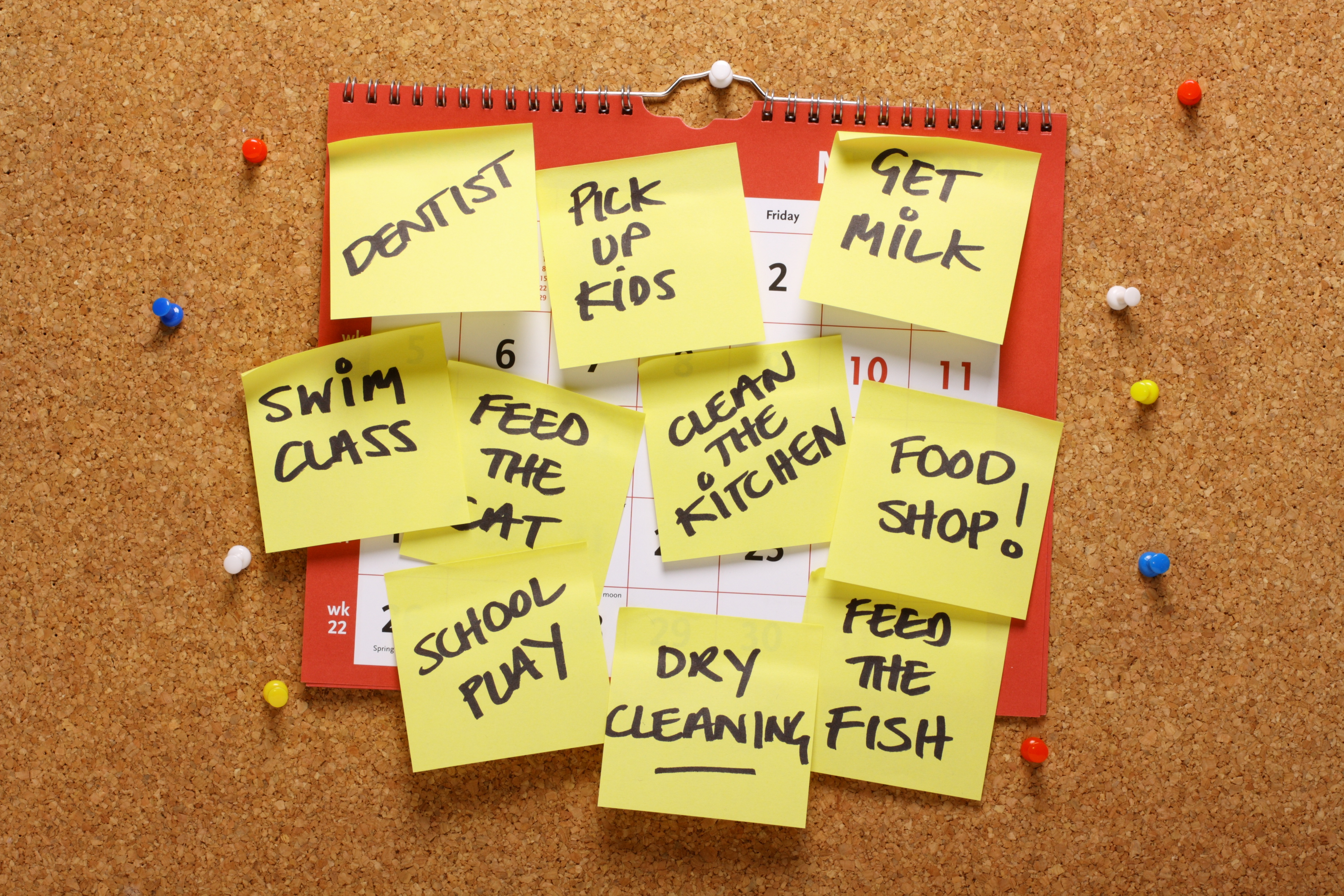
University of Queensland research examined the ‘tri-load’ of household labour – physical (traditional chores such as washing, cleaning and cooking); cognitive (planning shopping lists, scheduling appointments); and emotional (anticipating, caring, comforting, consoling).
Dr Sarah Coundouris from UQ’s School of Psychology examined how the division of labour for 235 heterosexual romantic couples was related to relationship quality.
“Despite progress toward gender equality, women still take on most of the work involved in running a household,’’ Dr Coundouris said.
“Although this pattern was consistent across all 3 types of household labour, it was most noticeable for cognitive load.
“Women reported taking on almost 25 per cent more of the thinking, planning, and scheduling involved in running the home and organising family commitments than their partners reported.”
The study not only examined how much work each partner reported doing, but also how differences in opinions of their contributions were linked to relationship quality.
It found that when there were different opinions about how physical and emotional household duties were shared, couples reported greater unhappiness in the relationship, with this finding strongest for women.
Disparities in the perceived division of cognitive household demands were only linked to poorer relationship quality in men.
“The findings indicate that 2 people in the same relationship may experience and interpret the division of household responsibilities very differently, and these differences matter for relationship quality,’’ Dr Coundouris said.
“We found that the greater the difference between partners’ views of how household labour was divided, the worse their relationship quality.
“The findings show the importance of categorising household labour beyond traditional physical tasks and reveal that cognitive and emotional loads are also related to couples’ relationship quality.’’
Dr Coundouris said the research added to the growing understanding of ‘invisible’ mental demands associated with maintaining a household.
“Household labour involves much more than physical chores,’’ she said.
“The thinking, planning, scheduling, anticipating and caring that is needed can be harder to see and acknowledge.
“By examining these different types of household labour, we have a more complete understanding of how both visible and less visible forms of housework relate to a couple’s relationship.’’
Dr Coundouris said the results may help inform future evidence-based guidelines in relationship therapy aimed at fostering relationship quality and, in turn, enhancing overall health and wellbeing.
She said future research is needed to understand household labour dynamics across diverse relationship structures such as the LGBTQIA+ community or new parents.
Read the research in Scientific Reports.
Attachments
Note: Not all attachments are visible to the general public. Research URLs will go live after the embargo ends.


