 Sign In



 Australia; NSW
News release
From:
New research has found young birds living near contaminated industrial and military sites in suburban Melbourne carry especially high concentrations of PFAS, so-called “forever chemicals”.
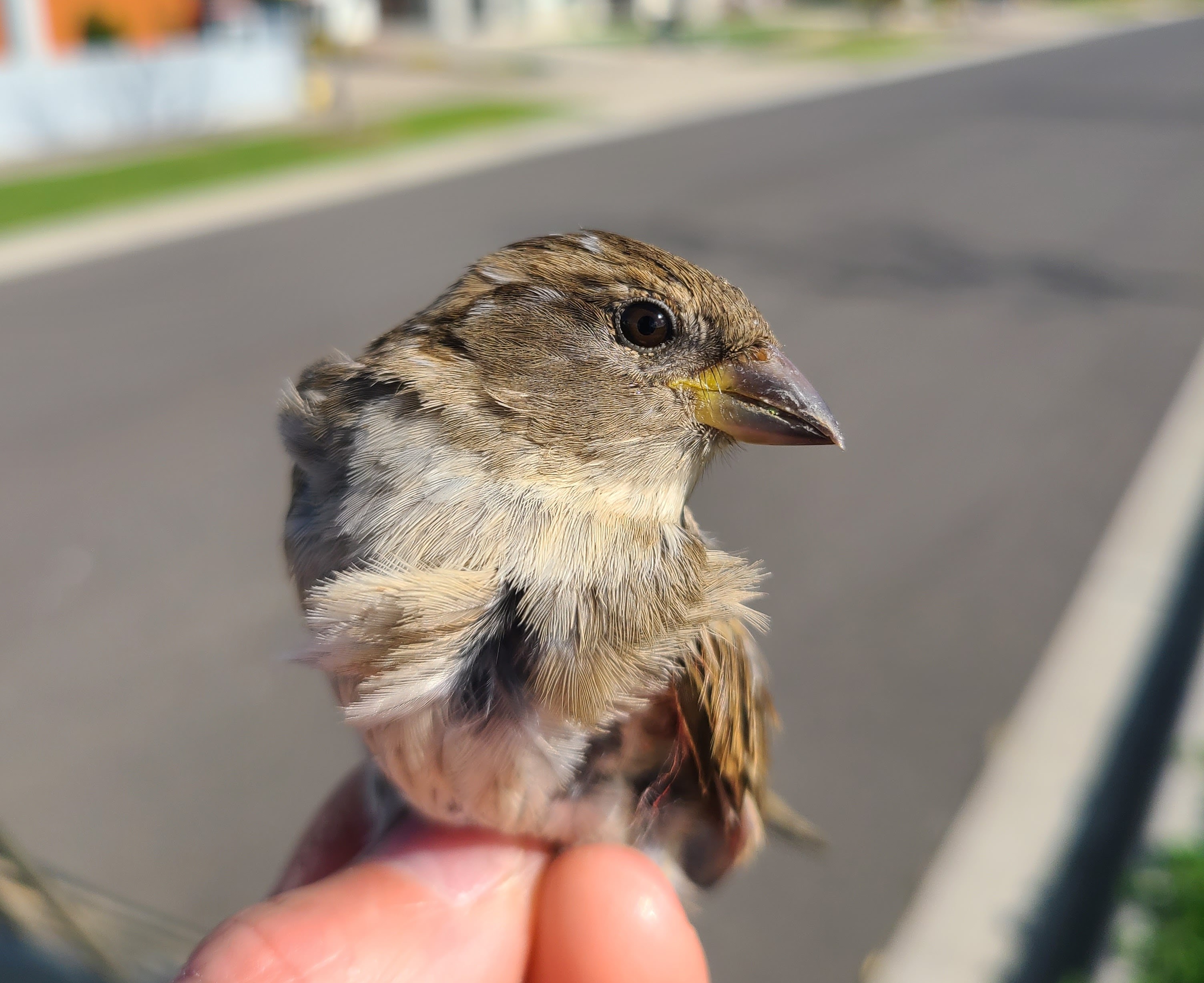
In a study just published in Environmental Science and Technology, researchers from Macquarie University and Environment Protection Authority Victoria took blood samples from introduced house sparrows (Passer domesticus) captured at 16 locations in Melbourne’s southwest, including sites around the Williams Laverton Royal Australian Air Force (RAAF) base and near the Altona Wastewater Treatment Plant, the Qenos Chemical Plant in Altona, and the Mobil Oil Refinery, also in Altona.
Analysis of the samples showed that PFAS levels peaked in young, newly fledged birds after the chemicals were transferred from mothers into their eggs and through the insect-heavy diets chicks are fed when being reared, said lead researcher Dr Max Gillings, of the School of Natural Sciences at Macquarie University.
PFAS (per- and polyfluoroalkyl substances) are synthetic fluorine-containing organic chemicals used in the manufacture of many household and industrial goods, as well as historically in perfluorinated aqueous film forming foams (AFFF) used to fight flammable liquid fires.
The highest PFAS concentrations in wildlife are typically recorded around petrochemical manufacturing facilities and near former firefighting training areas – the Williams Laverton RAAF Base has an extensive history of the use of firefighting foams.
“The levels of exposure we found were greater than previously measured in other sparrow populations,” said Dr Gillings.
“For example, in our sparrows, median whole blood concentrations of perfluorooctane sulfonate (PFOS) – one of the best-known PFAS chemicals – were ten times those reported in sparrows from uncontaminated rural sites in Norway.”
PFAS concentrations generally decreased with the age of the birds: recently fledged chicks had the highest levels, followed by older juveniles, and then mature adults.
“Consuming a diet where the main food source is invertebrates – including insects, spiders, snails and worms – is a key driver for PFAS exposure,” said Dr Gillings. “Invertebrates make up over 90 per cent of the diet of nestling sparrows but this falls to less than 10 per cent in mature nonbreeding adults.”
Even birds that feed mainly on grains as adults shift their diets towards animal food sources like invertebrates when they’re breeding, to meet the energy demands of reproduction and rearing chicks, he noted.
“Similar trends in PFAS levels with age have been reported for a wide range of species, including humans and other mammals, and this seems to be linked to transfer from mother to offspring,” said Dr Gillings.
The reputation of PFAS as “forever chemicals” is based on their persistence in the environment and their potential to accumulate in living organisms, where they have been increasingly associated with health risks.
“Our study adds more evidence confirming that PFAS pollution is a major issue throughout Australia, with impacts on communities and ecosystems alike,” said Dr Gillings.

