 Sign In



 Australia; International; SA
News release
From:
Australia's first treatment-free remission (TFR) registry for people living with chronic myeloid leukaemia (CML) has launched, creating a foundational national resource to help more Australians safely stop treatment and remain in long-term remission.
A collaboration between SAHMRI, the Leukaemia Foundation and Cancer Council SA, the Australian TFR Registry will collect clinical data from patients across the country who attempt treatment-free remission, while a linked biospecimen repository will enable researchers to develop and validate predictive models of relapse risk.
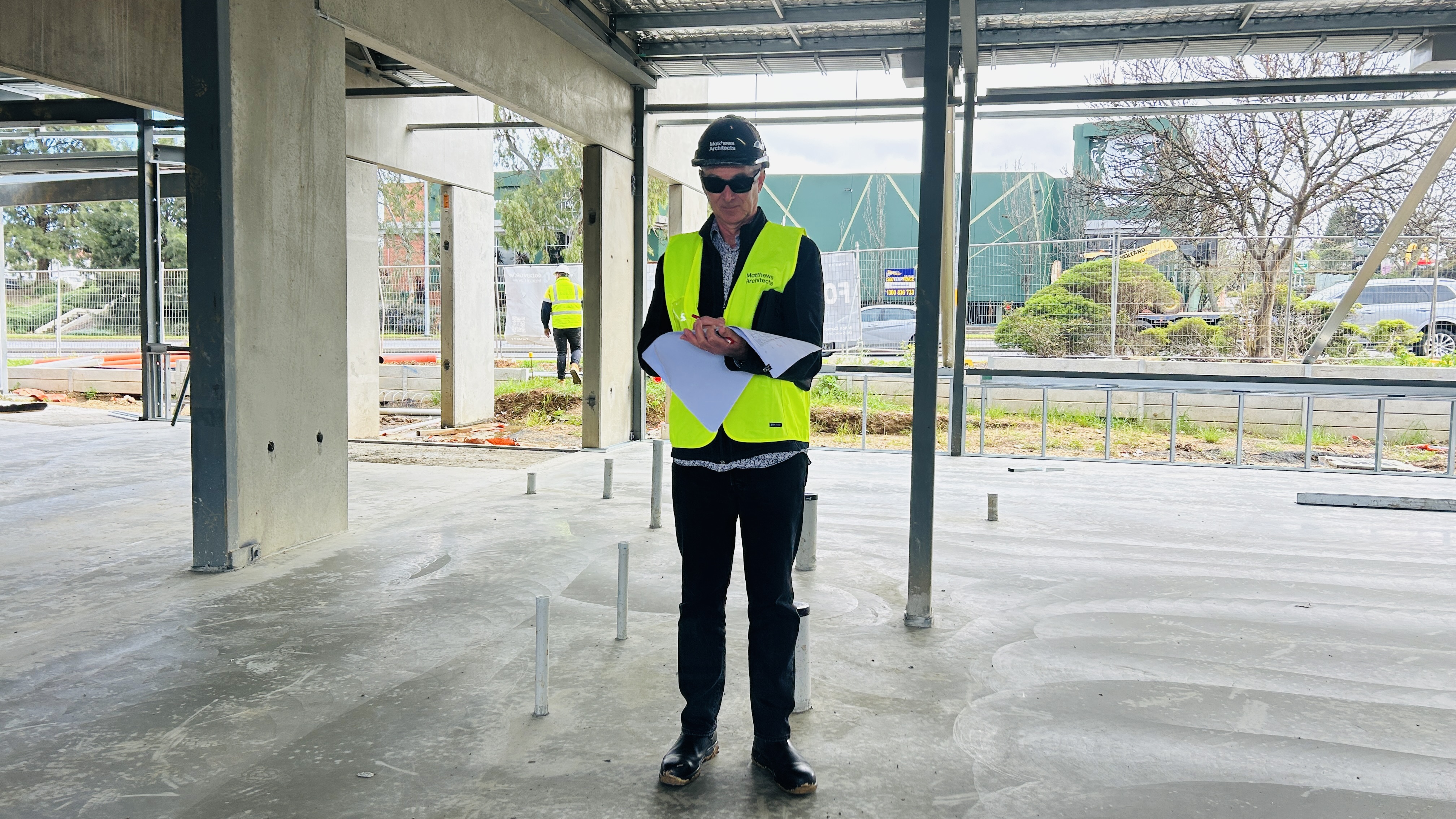
63-year-old Nigel Miller was able to successfully stop treatment for CML three years ago and is still in remission. He says living drug free has been life changing.
"The treatment controlled my cancer, but the side effects were debilitating, and it was difficult to perform at the level I needed to in my work as an architect," Mr Miller said.
"Being able to stop treatment has made an enormous difference to my quality of life. I'm delighted to be off the drug and still doing well."
The national registry builds on almost two decades of research tracking the progress of hundreds of South Australian CML patients who have attempted treatment-free remission, with around half successfully remaining off treatment.
Dr Ilaria Pagani, recipient of the first Leukaemia Foundation Partnership Grant and the Cancer Council SA Beat Cancer Project Translational Research Grant supporting the national program, says a biospecimen repository linked to the Registry has been established at SAHMRI, giving researchers the tools to better understand the biological factors associated with successful treatment-free remission and relapse.
“Having both the Registry and repository together allows us to combine clinical data with samples from patients around Australia, so that we can identify biomarkers that help predict which patients are most likely to remain in remission after stopping treatment,” Dr Pagani said
“There is currently no test available in clinical practice that can accurately predict an individual patient’s risk of relapse after stopping CML therapy. We want to move TFR from something we can only monitor after treatment stops to something we can predict before a patient makes that decision helping more Australians safely achieve and maintain a life free from lifelong therapy.”
Nigel's haematologist and Clinical Director of SAHMRI's Precision Cancer Medicine Theme, Professor Tim Hughes, says TFR is the future of CML care, and the registry will play an integral role in helping more patients achieve and maintain it.
"Treatment-free remission means patients can stop treatment while remaining in remission, freeing them from the burden of lifelong therapy and its side effects," Prof Hughes said.
"The registry will allow us to validate promising biomarkers in a much larger patient population and develop better tools to guide treatment decisions.”
Around 7,000 Australians are currently living with CML, with prevalence increasing because most patients now have a near-normal life expectancy.
While treatment-free remission is the ideal outcome, only one in four patients are currently able to achieve it.
“Ultimately, this is about building a national evidence base that’s going to help increase the number of people who can safely stop treatment and remain cancer free.” Dr David Ross, co-lead of the registry said.
Bill Stavreski, Head of Research at the Leukaemia Foundation, says the registry is a step closer to more personalised, evidence-based care that will significantly improve the quality of life for people living with CML.
“For many Australians living with chronic myeloid leukaemia, the prospect of stopping treatment has long been accompanied by the fear their disease may return,” Mr Stavreski said.
"This breakthrough reinforces why sustained investment in blood cancer research is a key priority for the Leukaemia Foundation, helping unlock new opportunities to increase treatment-free remission for more patients."
"Living free from treatment is one of the most important priorities for people with CML. This project shows what is possible when patients, clinicians, researchers and funding partners come together,” Dr Pagani said.
“With continued collaboration and investment, we can help make treatment-free remission a reality for more Australians.”
The registry will recruit patients from centres around Australia, with researchers aiming to expand participation as additional support becomes available.

