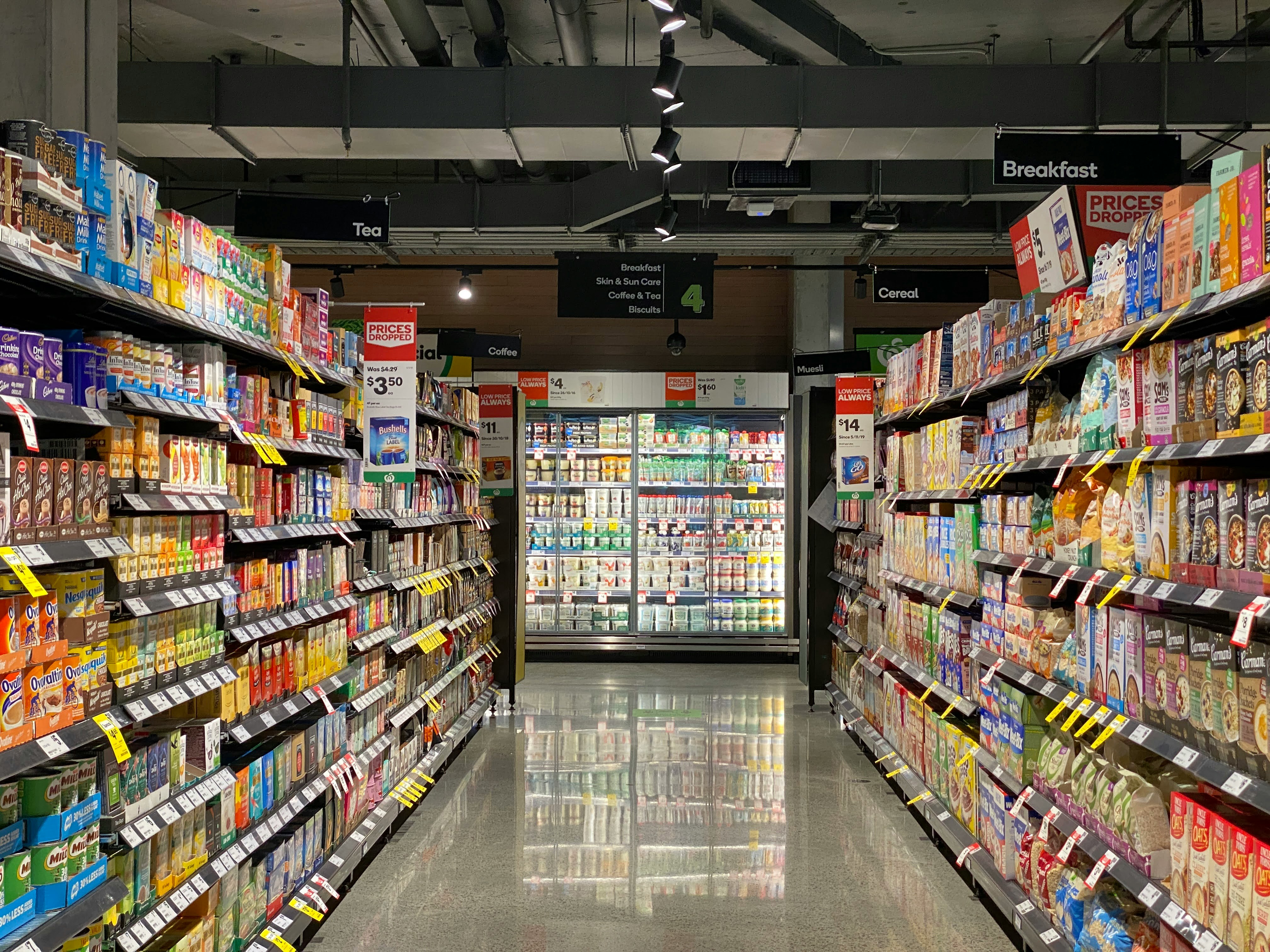
Eye tracking study shows supermarket junk food grabs kids’ attention

Publicly released:
Australia; VIC
Photo by Franki Chamaki on Unsplash

Australian researchers have used eye-tracking glasses to show how much time children spend looking at unhealthy food and drinks placed in prominent displays at supermarket entrances, checkouts and end-of-aisles. The research found that kids spent around 17% of their shopping time visually engaged with foods displayed in prominent locations, and 99% of this attention was directed towards unhealthy products.  The researchers say that to their knowledge, this is the first study to show children’s actual exposure and engagement with food and drinks displayed in prominent locations in a real-world supermarket. They say restricting the prominent placement of unhealthy foods could meaningfully reduce children’s exposure to unhealthy food marketing.

Attachments

Note: Not all attachments are visible to the general public. Research URLs will go live after the embargo ends.

Research Australian and New Zealand Journal of Public Health, Web page Please link to the article in online versions of your report (the URL will go live after the embargo ends).
Journal/
conference:
Australian and New Zealand Journal of Public Health
Research:Paper
Organisation/s: Deakin University
Funder: This study was funded in part by a Cancer Council Victoria Venture Grant. CD is supported by a PhD scholarship under theAustralian Government Research Training Program Award (award number, N/A). AC and KB are researchers within the National Health and Medical Research Council (NHMRC) funded Centre of Research Excellence in Food Retail Environments for Health: Next Generation (RE-FRESH: Next Generation) (APP2024716). Additionally, KB and AC are recipients of a Heart Foundation Future Leader Fellowship from the National Heart Foundation of Australia (Grant Numbers 106716 and 102611). FM is a recipient of the VicHealth Research Fellowship
Media Contact/s
Contact details are only visible to registered journalists.