Sign In



 Australia; VIC
News release
From:
Scientists have discovered marsupial forelimbs (arms) develop before birth much earlier than previously thought, providing new insights into evolutionary innovation and biology.
Forelimbs are critical for survival in marsupials; newborns are typically very small and underdeveloped but rely on strong, fully formed arms to crawl unaided to the teat immediately after birth.
University of Melbourne lead author Dr Axel Newton from the School of BioSciences said the research, published today in Science Advances highlights the truly remarkable biology of marsupials.
“Many of Australia’s iconic wildlife are marsupials, including kangaroos, koalas, wombats, and the Tasmanian devil, and we need to understand their evolutionary quirks to better protect them,” Dr Newton said.
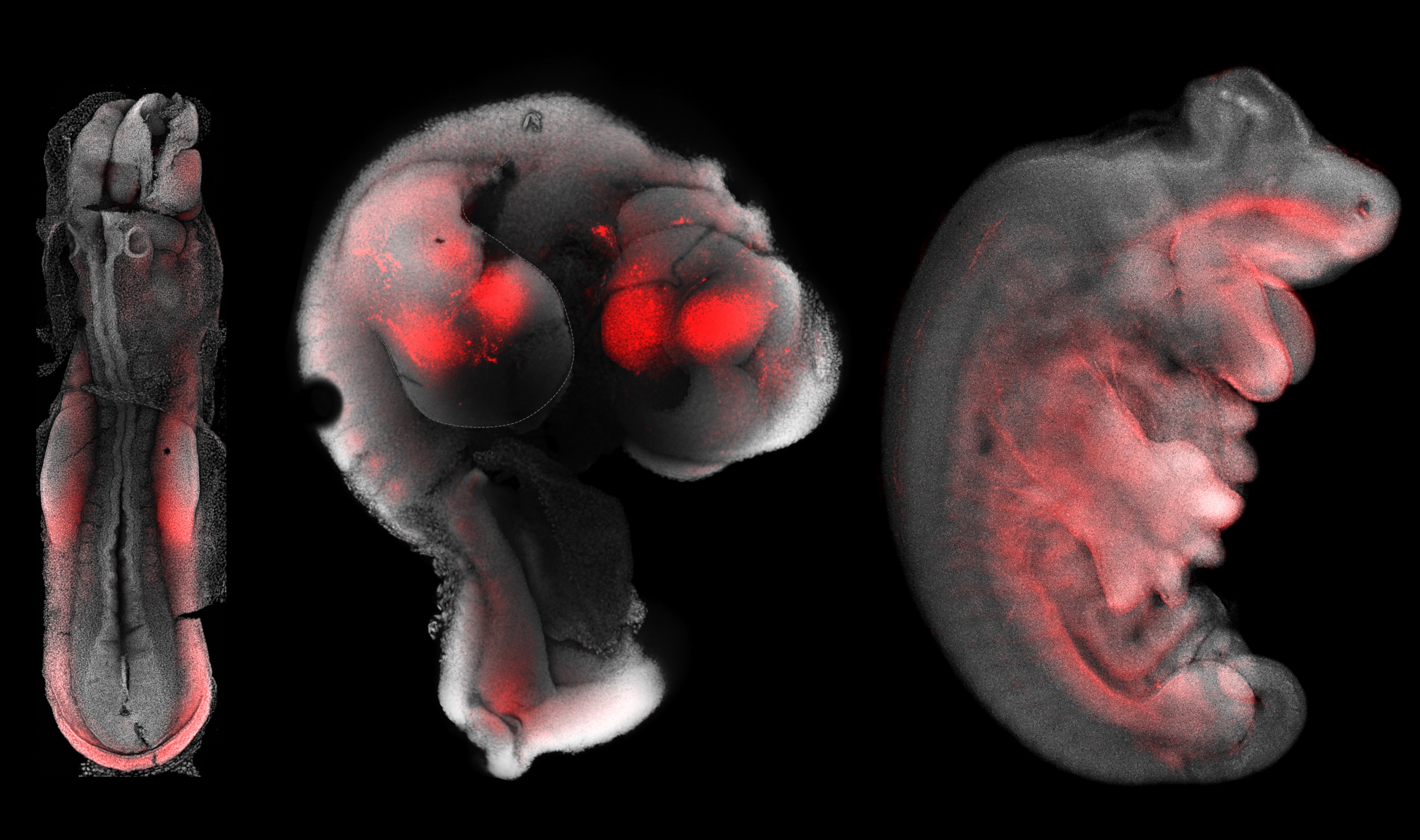
“We found that marsupial forelimbs rapidly develop over a four-day period, going from a flat featureless bud to fully functional arms with claws, which completely challenges our current understanding of limb development in vertebrates.
“The early forelimbs appear before many major structures are formed, including somites and the neural tube, which are essentially the building blocks of the body .”
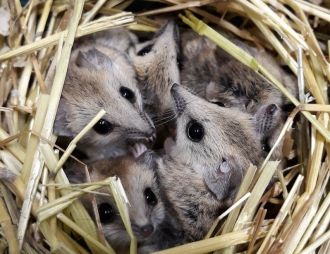
In partnership with Professor Karen Sears at the University of California, Los Angeles (UCLA), the researchers studied two distantly related marsupials, the fat-tailed dunnart (Sminthopsis Crassicaudata) and the gray short-tailed opossum (Monodelphis domestica) to examine the distribution of genes following fertilisation.
The research challenges previously held assumptions on the biological process of limb growth. Rather than following a single fixed sequence, key events in embryonic development seen in other species are bypassed or reorganised in marsupials.
“Our previous understanding on how forelimbs grow has largely come from chicken or mice models, where many tissues grow at the same time. The development of marsupial limbs in isolation from other tissues provides an excellent model to untangle how limbs first form,” Dr Newton explained.
“This not only reveals unexpected flexibility in limb development, but also paves the way for better understanding of how congenital human limb defects may arise.”
The research was undertaken at the University of Melbourne’s Pask Lab in partnership with Colossal Biosciences.
Professor Andrew Pask, head of the Pask Lab, said the research is important in our broader conservation efforts.
“Understanding how evolution has shaped the development of our extraordinary marsupial mammals is fundamental to conserving them,” Professor Pask said.
“If we don't understand the biology of how these animals are built, we can't fully understand their vulnerabilities, their resilience, or how to intervene when a species is in trouble. This research is a great example of how developmental biology feeds directly into the conservation science we do every day."
Multimedia