Sign In



 International
News release
From:
Wild potato follows a path to domestication in the American Southwest
Some Four Corners potato populations still grow in ancient gardens – and are used by Indigenous peoples – today
Ancient people transported a wild relative of the common potato across the southwestern U.S., likely expanding the range of the species, according to a study published January 21, 2026 in the open-access journal PLOS One by Lisbeth Louderback from the University of Utah, U.S., and colleagues. This research provides new evidence that Indigenous people may have put the species on a path to domestication, while creating a unique cultural element in the Four Corners region.
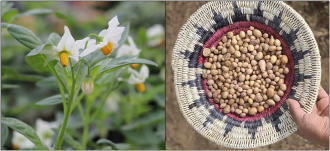
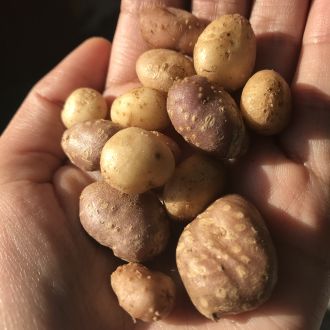
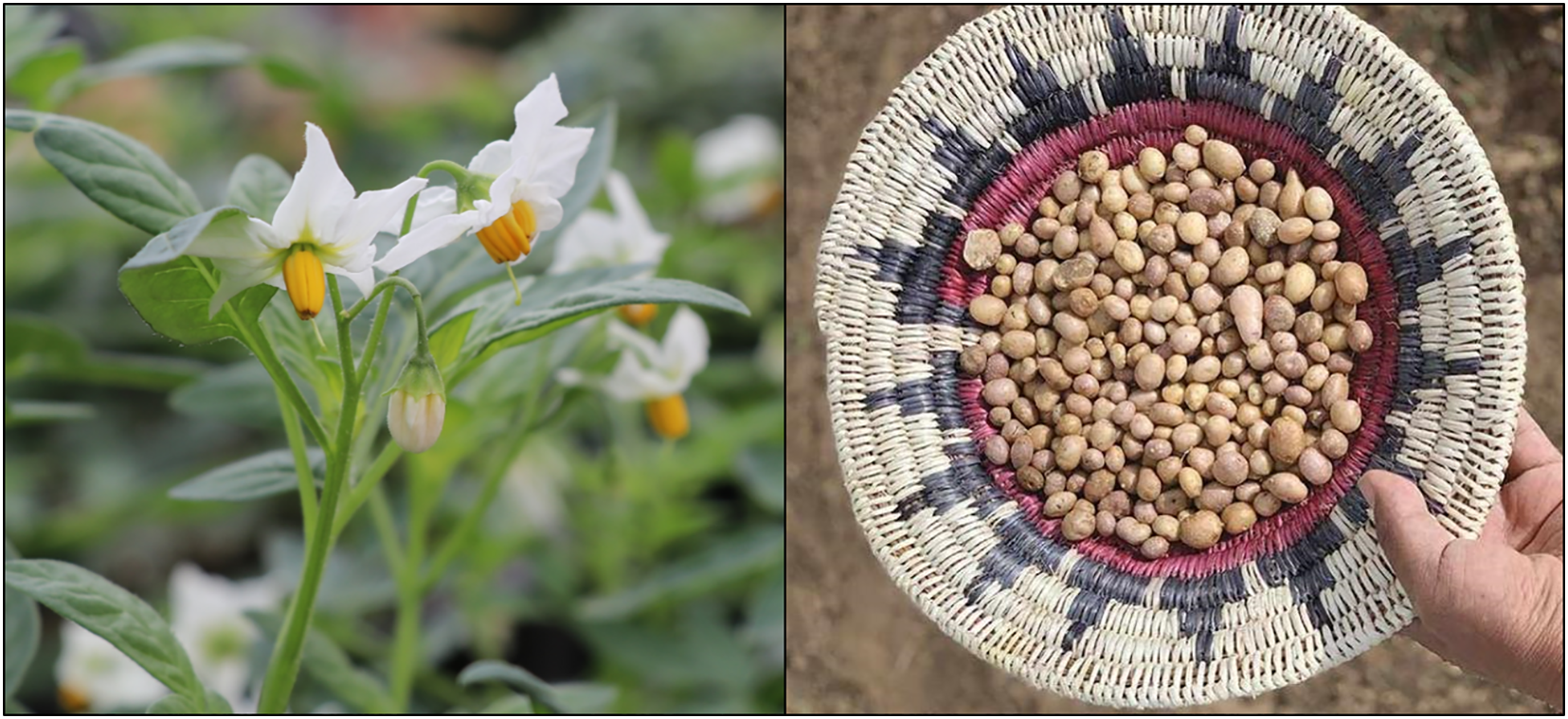
The Four Corners potato, Solanum jamesii, is a small, resilient, nutritious wild potato found today across southwestern North America, from southern Utah and Colorado into northern Mexico. To study their use and distribution throughout prehistory, the researchers sampled ground stone tools from 14 archaeological sites dating back between thousands and hundreds of years ago to search for residual starch granules from the species.
Louderback and colleagues found granules on tools from nine sites, dating as early as 10,900 cal BP, mostly located in the border area between Colorado, Utah, Arizona, and New Mexico, the northern edge of species’ range. Previous studies have found that some extant populations of Four Corners potatoes growing there show strong genetic evidence of having been established from a population much farther south — establishing that people transported the species across the region, expanding its range north into Utah and Colorado, where it is still found today.
The use and transport of a species are two key pieces of evidence that the initial stages of domestication have occurred, the researchers point out. Now, ten thousand years later, the Four Corners potato remains culturally significant among Indigenous people of the region. In addition to sampling for starch granules, the researchers also conducted interviews with 15 Navajo (Diné) elders, confirming that the wild potato is still known, eaten and used for spiritual purposes today.
Lisbeth Louderback adds: “By combining new archaeobotanical data and elder interviews with transport patterns identified by genetic sequencing of the Four Corners potato, we have defined an anthropogenic range distinct from its natural distribution. This reveals a unique cultural identity developed by ancient transport of this species - one that continues into the present day.”
Cynthia Wilson adds: “The mobility of Indigenous foodways was driven by kinship-based practices across the landscape. Indigenous knowledge holders, especially matrilineal women, held on to these seedlings and stories across generations to sustain ties to ancestral land and foodways.”
Multimedia