 Sign In



 Australia; ACT
News release
From:
Maintaining harm reduction services in the Australian Capital Territory could deliver more than $250 million in health and societal benefits between 2026 and 2030 and avert dozens of overdose deaths, according to new analysis led by Burnet Institute.
The research found that the current package of harm reduction services delivers a benefit–cost ratio of around 10:1, meaning every dollar invested returns more than $10 in benefits.
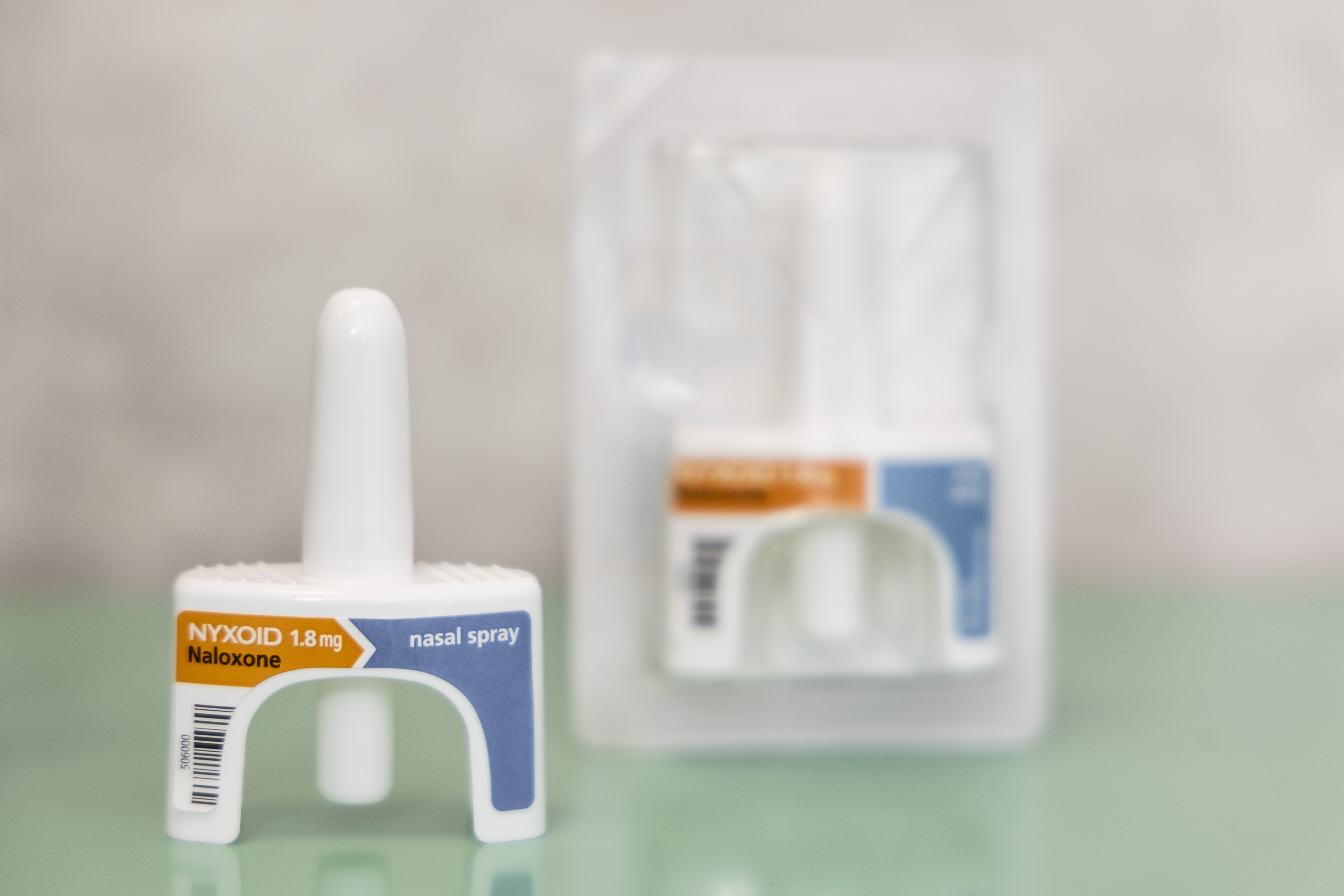
The modelling, commissioned by ACT Health and in partnership with the Australian National University, shows common harm reduction services such as take-home naloxone, opioid agonist treatment and needle-syringe programs not only reduce negative consequences of drug use, but have economic benefits.
When these services are scaled up, further harms are averted and more money is saved. Opioid agonist treatments – such as methadone or buprenorphine used to treat opioid dependence – delivered one of the strongest returns if programs were expanded. The study found it would return more than $10 in benefits for every $1 invested through reduced overdoses, deaths and injection-related harms.
Researchers also considered new interventions, such as a drug consumption room, and found them to be cost-effective, even in a smaller jurisdiction like the ACT.
Drug consumption rooms were associated with fewer overdose deaths, fewer ambulance callouts and reduced hospitalisation costs from injection-related infections.
A nurse- or peer-led drug consumption room model integrated into existing services delivered a higher return on investment than the doctor-led models found in other Australian jurisdictions.
“For every dollar invested, a drug consumption room could return up to nearly $3 in benefits through avoided overdose deaths, reduced ambulance callouts and shorter hospital stays,” said Professor Paul Dietze, Burnet Program Director of Disease Elimination.
“They are a proven, cost-effective tool that reduce preventable deaths and help people engage with existing health services, while easing pressure on emergency services.”
The modelling also examined a scenario in which more potent synthetic opioids enter the ACT drug market, a trend already seen in other parts of Australia. Under these higher-risk conditions, the cost-effectiveness of harm reduction interventions increased significantly.
The analysis highlights the value of sustained investment in harm reduction services and provides evidence to inform future decisions as drug-related risks evolve.
Read ‘A cost-benefit analysis of the implementation and scale-up of harm reduction interventions in the Australian Capital Territory’ in Addiction here: https://onlinelibrary.wiley.com/doi/10.1111/add.70276

