 Sign In



 Australia; International; VIC
News release
From:
European cities short on shade as heat bites
More than four in five homes and workplaces across 25 European cities have less nearby tree canopy than what is needed for meaningful cooling, according to an open-data analysis by an urban greening expert.
Dr Thami Croeser from RMIT University in Australia has mapped tree canopy within 60 metres of 5.5 million buildings across France, Spain, Italy, Germany, Portugal, Greece and the UK.
His analysis found 84% of buildings fall below the 30% nearby canopy threshold identified in urban heat literature as important for reducing dangerous urban heat island effects.
Croeser, from the RMIT Centre for Urban Research, said Europe's heatwaves are exposing a structural problem in the way cities have been designed.
"More than four in five homes and workplaces in the cities we analysed do not have the nearby tree canopy that urban heat research indicates is needed for meaningful cooling," he said.
"When severe heat hits, a leafy park three blocks away is too far away to help an apartment building surrounded by baking asphalt."
Cologne and Hamburg performed best, with about 45% of buildings above the 30% threshold. Nice followed at 41%, largely due to hillside vegetation. After that, the picture deteriorates rapidly.
At the other end of the ranking, Sevilla, a city that regularly faces extreme summer heat, had 98% of buildings below the threshold.
Other city results include:
- London: 93% of 1.5 million buildings below the threshold.
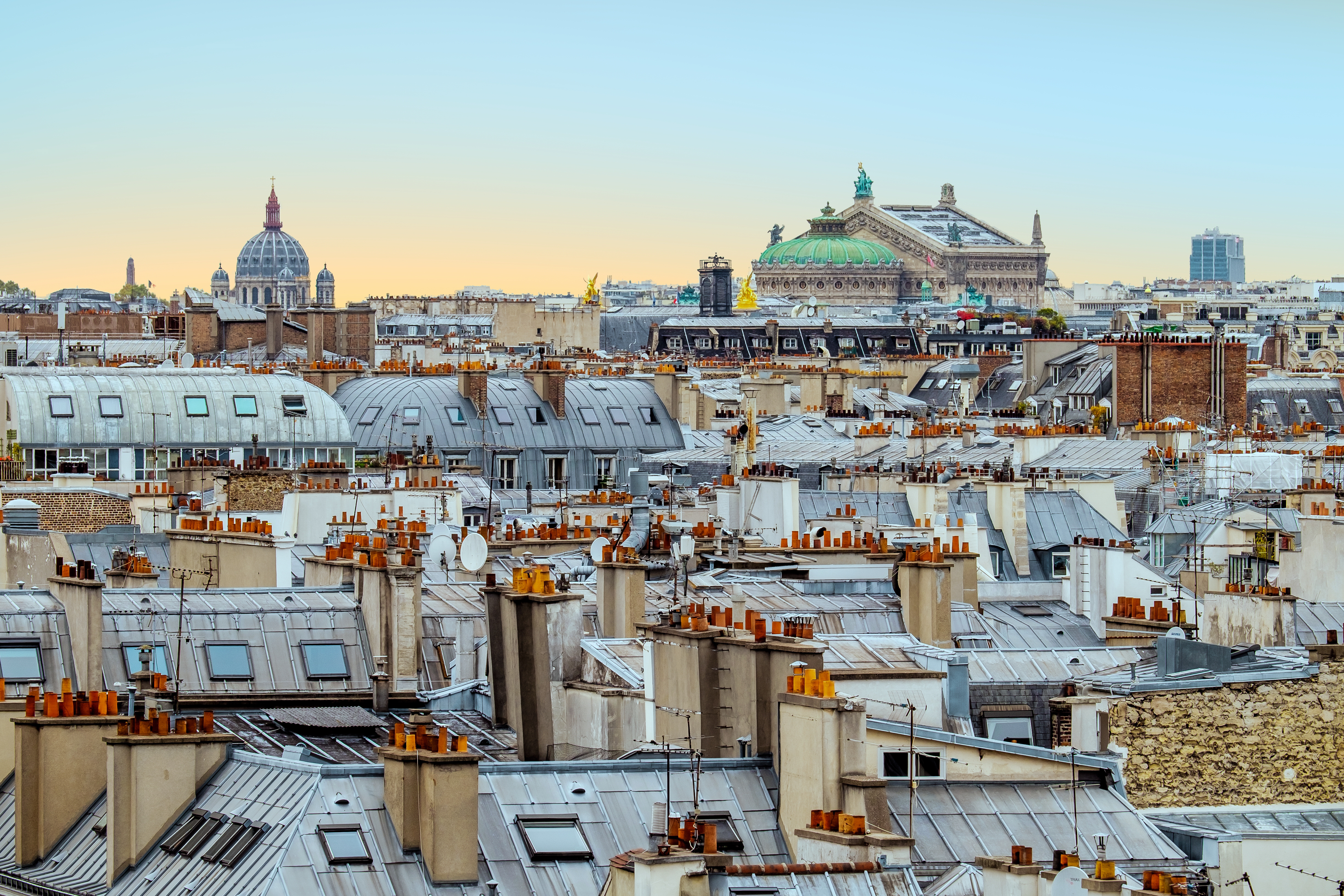
- Paris: 96% of buildings below the threshold, with mean nearby tree canopy of just 12%.
- Rome: 85% of buildings below the threshold.
Croeser said the scale of the deficit was not marginal. In most cities, more than half of all buildings had less than 10% canopy nearby.
"A city can appear to have a reasonable amount of tree cover overall, while most homes still have very little shade nearby," he said.
"Tree cooling is highly local. If canopy is not close to where people live and work, it is unlikely to protect them where they are actually experiencing the heat."
The analysis also found poorer neighbourhoods were consistently more exposed, with lower tree cover and higher surface temperatures in many cities where income or deprivation data was available.
"Heatwaves do not affect all neighbourhoods equally," Croeser said.
"Lower-income neighbourhoods are often more paved, less shaded and hotter. That means the people with the fewest resources to adapt are often facing the greatest heat burden."
Croeser said the findings challenged the idea that dense urban areas were inevitably hotter.
By comparing neighbourhoods with similar dwelling densities, he found areas with adequate canopy could be 4 to 10°C cooler than comparable urban hotspots. In Paris, the gap was 10.5°C. In Birmingham, it was 6.6°C.
Croeser said density is not the problem.
“When we compared neighbourhoods with similar dwelling densities, the areas with mature trees were up to 10 degrees cooler than nearby hotspots,” he said.
“We found dense urban areas with apartments, shops, offices and activity centres that stayed much cooler because they had proper shade. The difference is whether trees were protected, planted and given enough space and water to grow.”
Croeser said cities needed to focus on three priorities: planting trees close to where people live and work, giving trees enough soil and water to thrive, and protecting mature canopy.
“The trees cooling cities today were planted decades ago,” he said.
“A newly planted tree will not shade a building for 15 or 20 years. Every mature tree lost now is irreplaceable on the timeline that matters for current heatwaves.”
The work uses open public datasets and canopy thresholds drawn from established urban heat literature. It has not been peer-reviewed, but Croeser said it provides a timely snapshot of canopy shortfalls across 25 major European cities.
The full methodology, city maps, embeddable data tools and press resources are available at: euheatwave2026.pages.dev
Multimedia

Attachments
Note: Not all attachments are visible to the general public. Research URLs will go live after the embargo ends.


