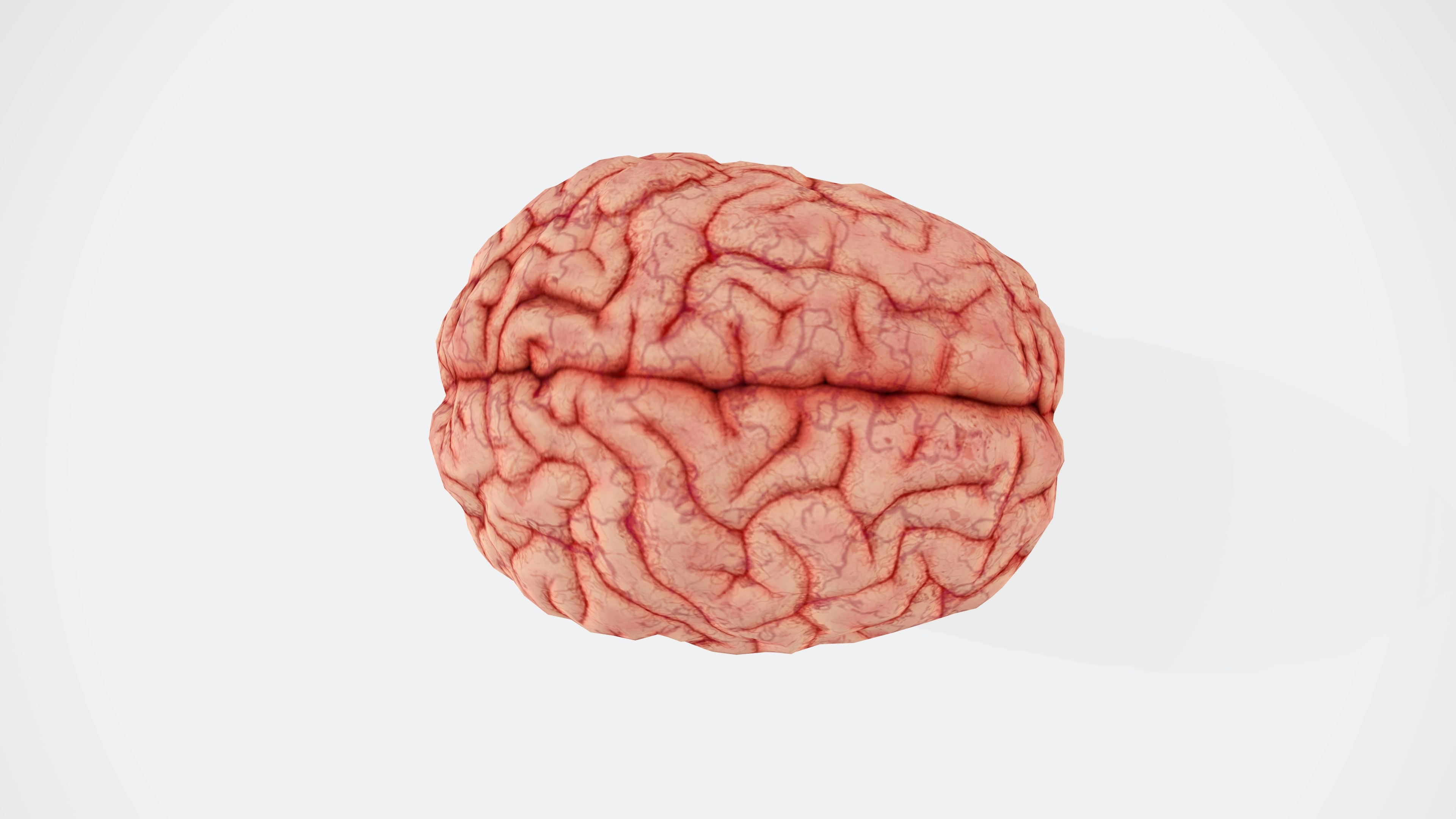
Early psychosis and depression can be spotted in your blood and brain

Publicly released:
International
Photo by BUDDHI Kumar SHRESTHA on Unsplash. Story by Rachel McDonald, Australian Science Media Centre

Brain scans and blood tests combined can pick up early signs of psychotic disorders and depression, according to international research. The team used blood tests and MRIs to compare results in 678 people - including people with recent-onset depression or psychosis, people at high risk for psychosis and healthy controls. The researchers say they found distinct markers linked to psychotic disorders and depression. These markers could be used to develop early intervention strategies for these conditions, the researchers add.

Attachments

Note: Not all attachments are visible to the general public. Research URLs will go live after the embargo ends.

Research JAMA, Web page The URL will go live after the embargo ends
Journal/
conference:
JAMA Psychiatry
Research:Paper
Organisation/s: Oxford University, UK, Max Planck Institute of Psychiatry, Germany
Funder: Dr Popovic was supported by the Else-Kröner-Fresenius-Stiftung through the Clinician Scientist Program Else-Kröner-Fresenius-Stiftung Translational Psychiatry. Dr Falkai was funded by the German Science Foundation, the German Ministry of Science, and the German Ministry of Health. Dr Pantelis was supported by National Health and Medical Research Council Senior Principal Research Fellowship (grants 628386 and 1105825) and European Union-National Health and Medical Research Council (grant 1075379). Dr Koutsouleris was supported through grants from the National Institutes of Health (U01MH124639-01), the German Innovation Fund, the German Federal Ministry of Education and Research, and ERA PerMed. Dr Upthegrove is funded by the Medical Research Council (MR/S037675/1); the National Institutes of Health (1U01MH124631-01), the National Institute for Health and Care Research (NIHRDH-NIHR127700), and the National Institute for Health and Care Research, Oxford Health Biomedical Research Centre. All contributing authors except Drs Steiner, Ziller, and Schiltz were supported by PRONIA, a Collaborative Project funded by the European Union under the 7th Framework Programme (grant 602152).
Media Contact/s
Contact details are only visible to registered journalists.