 Sign In



 Australia; VIC
News release
From:
Researchers at Peter Mac have developed an Australian-first digital tool that can rapidly and accurately identify cancer patients who have developed immune-related colitis, one of the most common and potentially serious side effects of immunotherapy treatment.
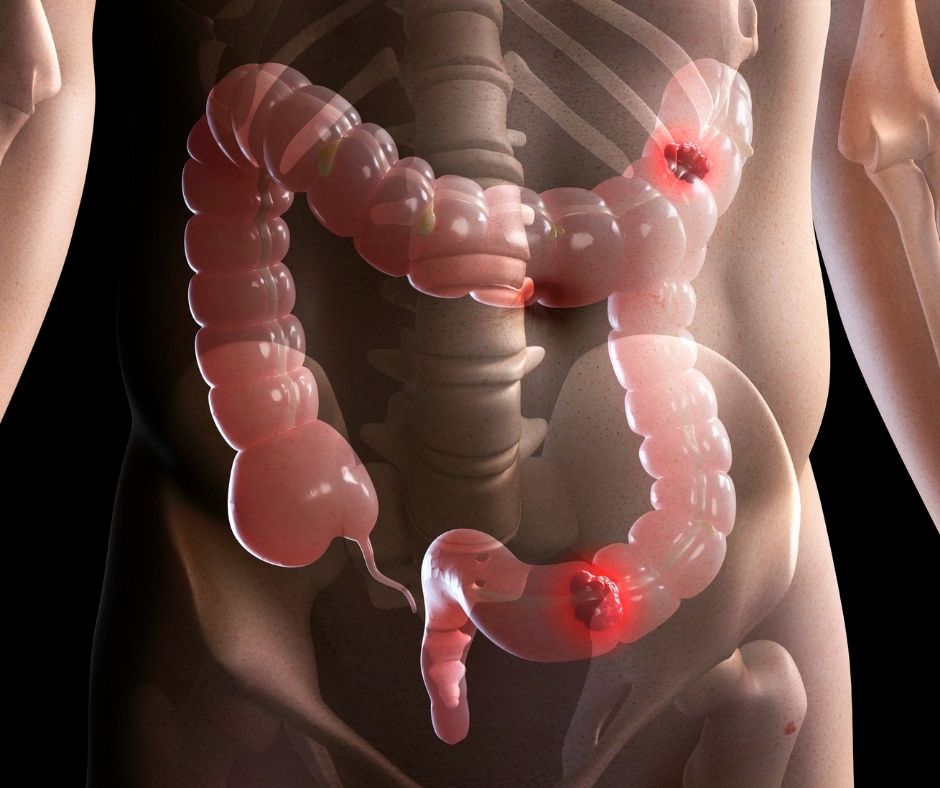
Immune checkpoint inhibitors are a form of cancer immunotherapy successfully used to treat a wide range of cancers. However, these treatments can cause side effects including immune-related colitis, or inflammation of the bowel, which affects up to 50 per cent of patients.
Lead Health Services Researcher, Infectious Diseases Physician and PhD fellow with the National Centre for Infections in Cancer (NCIC) at Peter Mac, Dr Jasmine Teng, said that until now, identifying patients who have developed immune-related colitis has relied on manual, labour-intensive case-note review.
“To alleviate this issue, we developed a clinician-verified ‘digital phenotype’─ a reproducible computer algorithm using existing Electronic Medical Record (EMR) data─ to assist with automatically identifying affected patients with high accuracy,” she said.
“This tool represents a significant step forward in how we can harness the power of data that already exists within our health system.
“If we can identify the biomarkers that predict who will develop immune-related colitis, we can work with patients and their treating teams to tailor their immunotherapy regimen or improve early management of this side effect.
“Understanding which patients experience immune-related colitis more efficiently and at scale opens the door to other research initiatives and clinical insights that simply weren’t possible before.”
The digital phenotype, developed in collaboration between the Centre of Health Services Research in Cancer (CHSRC), NCIC and clinicians at Peter Mac, is the first of its kind to be validated for patients with cancer in Australia.
“This work will help clinicians better understand the true incidence of immune-related colitis and build towards comprehending the complex care pathways in severe cases of immune-related colitis, and implications of immune checkpoint inhibitor re-treatment.” said Dr Teng.
“Critically, the research has implications that extend beyond identifying patients after they develop colitis.”
“The ability to build large, well-characterised cohorts using EMR data creates new opportunities to work with scientists to identify biological signals (biomarkers) that could indicate which patients are likely to develop the condition.”
“I am most grateful to my colleagues, clinicians and nurses at Peter Mac for all their support.”
The research was published in JCO Clinical Cancer Informatics.

