Diet, drugs, gut bugs, and breeding: how to cut methane from NZ's cows and sheep

Publicly released:
New Zealand
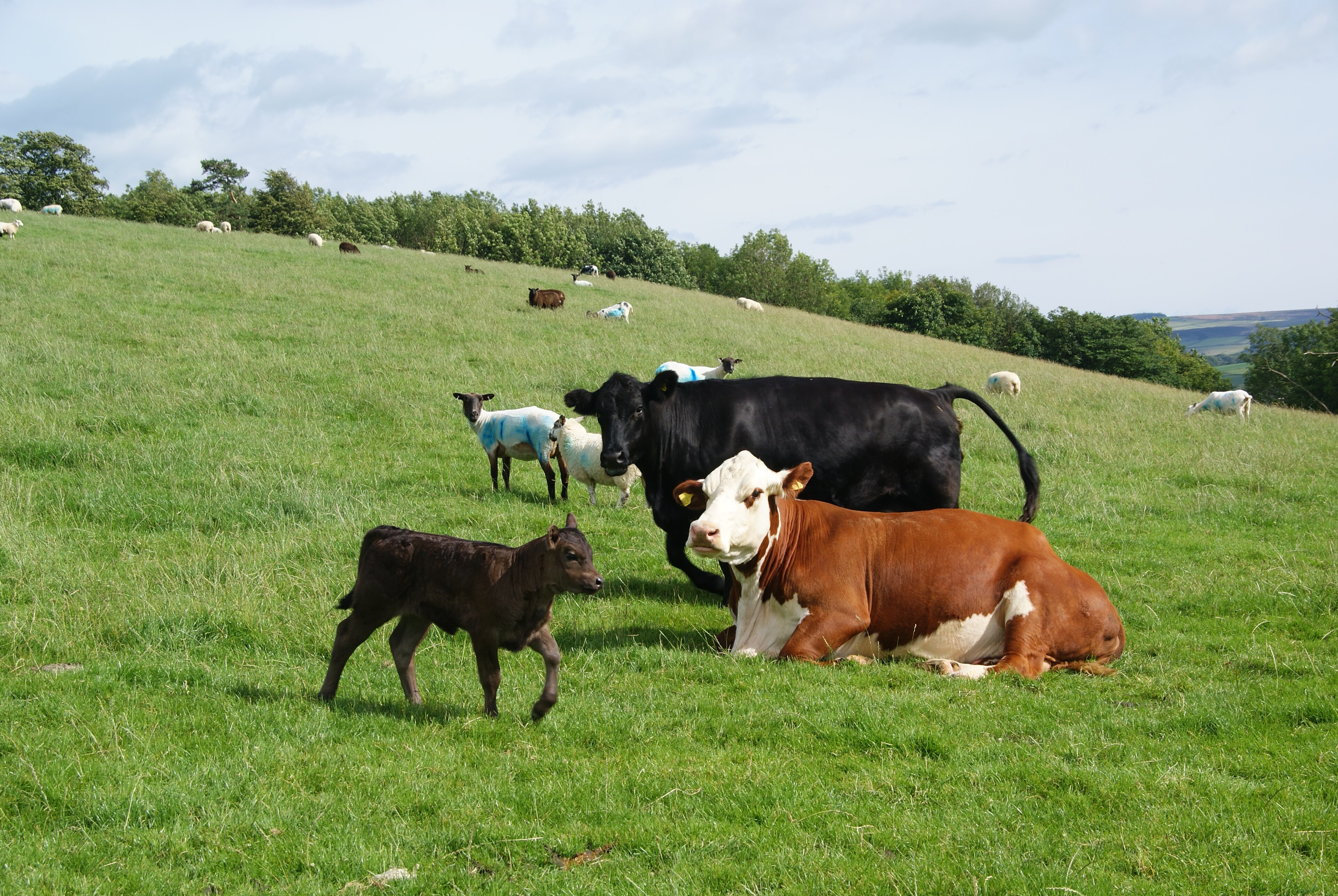
Cows and sheep together by Bill Boaden, CC BY-SA 2.0 <https://creativecommons.org/licenses/by-sa/2.0>, via Wikimedia Commons

A new review looks at ways we can reduce methane emissions from pasture animals in NZ - like putting additives in the animals' food, swapping the plants they eat, or adjusting the babies' diets to change their gut bugs early, so they make less methane while digesting. Breeding lighter, longer-lived animals that yield more milk or meat could lower emissions across a farm, the review finds. It may be possible to breed low-emission animals here soon, but tools like vaccines against methane-making bacteria or genetically modified plants for cows and sheep to eat are a while off. While these strategies are promising, the authors say, we need research to ensure they're usable in New Zealand.

Journal/
conference:
NZ Veterinary Journal
Research:Paper
Organisation/s: Massey University, Bioeconomy Science Institute, Fonterra, Lucidome Bio Ltd. (NZ)
Funder: Ag Emissions Centre. Disclosure statement: EN Bermingham is employed by Fonterra Ltd. JL Burke was employed at Fonterra Ltd at the time of preparation of this publication. A Jonker and AM Khan are employed by the Bioeconomy Science Institute (BSI), and N Wedlock and PH Janssen are employed by BSI and Lucidome Bio Ltd. JB, AJ, AK, NW and PJ receive funding from a range of commercial stakeholders.
Media Contact/s
Contact details are only visible to registered journalists.