 Sign In



 Australia; VIC
News release
From:
Research at a Glance:
- Melbourne researchers have discovered that cutting-edge 3D AI technology can identify early childhood tooth decay as accurately as visual exams, paving the way for significantly faster and more accessible care
- The study found the scanner- resembling an enlarged electric toothbrush - paired with AI-assisted software, provides a thorough picture of children’s dental health within only minutes
- The 3D tool may be useful for children who can tolerate only brief or limited time at the dentist and support families who live regionally and remotely, helping to avoid fillings
- The researchers said further studies were required to determine how the technology could be embedded into paediatric dentistry care
Cutting-edge 3D AI technology can identify early childhood tooth decay as accurately as visual exams, paving the way for significantly faster and more accessible care, according to a new study.
The research, led by Murdoch Children’s Research Institute (MCRI) and the University of Melbourne, has revealed for the first time how this scanner - resembling an enlarged electric toothbrush – paired with AI-assisted software, provides a thorough picture of children’s dental health within only minutes.
The hand-held, wireless intraoral scanner (IOS) shines a fluorescence light onto the teeth and gums and a tiny camera records how that light reflects back. AI software then pieces the images together to create a detailed 3D model of the mouth. The images can be saved and reviewed either in person or remotely.
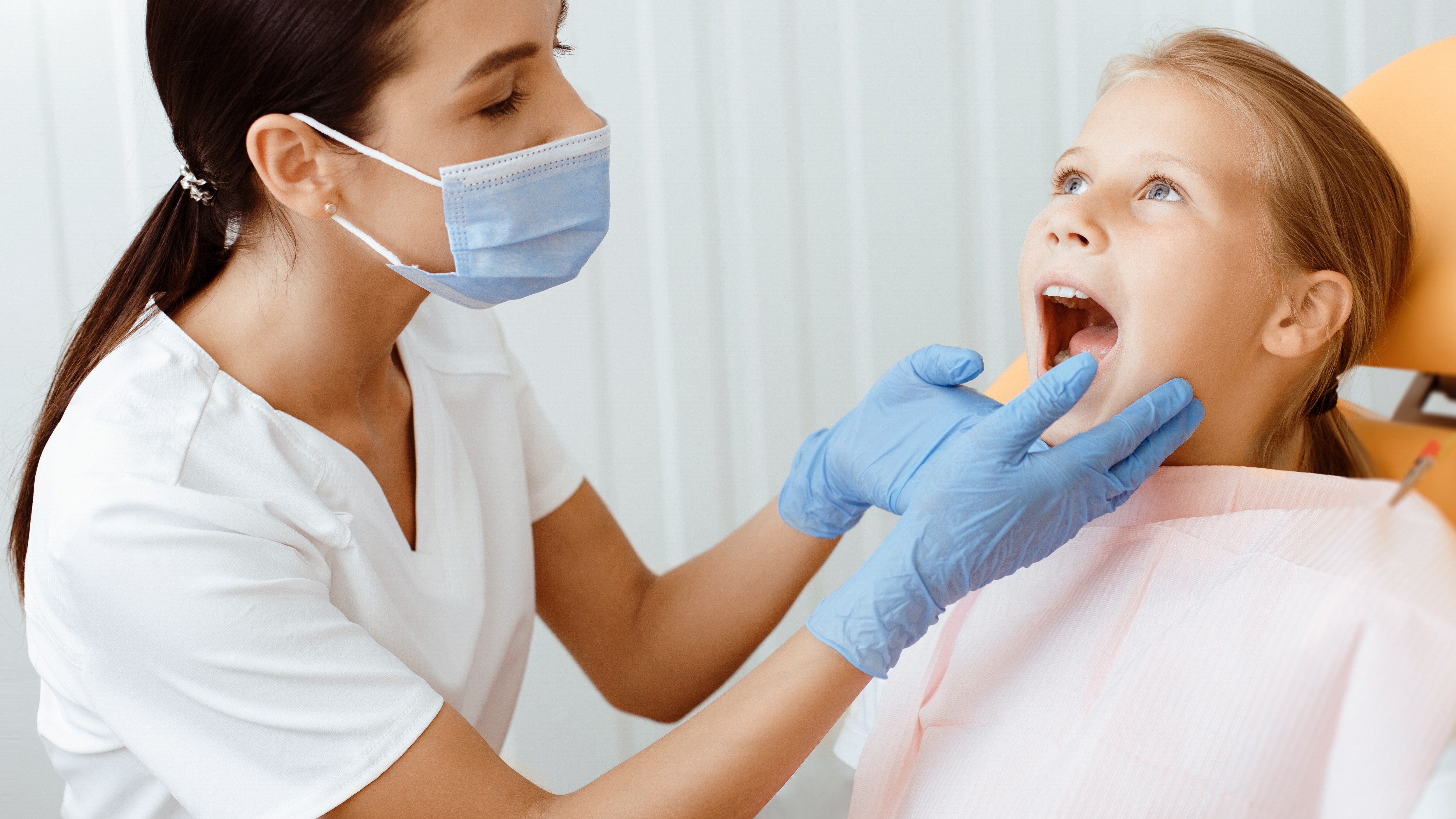
The study involved 216 children, aged five, recruited from the Melbourne Infant Study: BCG for Allergy and Infection Reduction (MIS BAIR). The researchers compared their traditional dental exams against the enhanced technology.
The research, published in JMIR Public Health and Surveillance, found 38 per cent of children showed signs of dental decay and 18 per cent had enamel defects in both visual and digital scans.
Tooth decay is a common chronic disease in children, impacting more than a billion globally. In Australia, over 40 per cent of children, between 5-10 years, have decay in their baby teeth. Dental decay can negatively affect a child's ability to eat, sleep, and learn, and is a leading cause of preventable hospital admissions.
Associate Professor Mihiri Silva said the findings would fill a significant knowledge gap in paediatric dentistry.
“It’s crucial to examine baby teeth as they are a key predicator of future health outcomes,” she said. “Visual examinations are the gold standard in dental care but we need to find new ways to better detect tooth decay as soon as early signs of decay occur. We wanted to test this 3D technology in children because digital images can open up more tools to prevent decay and monitor changes in plaque buildup.”
MCRI researcher Dr Bree Jones said the team found the digital technology was just as precise at detecting early signs of dental damage as visual check-ups and could compliment current tools.
“Intraoral scanners capture thousands of images of the teeth, which AI stitches into a 3D model of the mouth - like assembling a jigsaw puzzle to reveal the whole picture,” she said.
“The 3D AI technology could provide more comprehensive dental assessments for children who are only able to tolerate a brief or limited time at the dentist, helping to avoid fillings. It may also be helpful to parents trying to visualise their children’s dental results and treatment plans and those living in low resource or remote areas with limited access to services.”
Associate Professor Silva said larger studies were needed to determine whether the technology could be embedded into dentistry care.
Jonathan said as the father of a five-year-old, good oral health was incredibly important to his family.
“It’s exciting to see technology that can make dental visits easier for kids,” he said. “Any tool that helps detect problems early and makes the experience more enjoyable is welcome. I want my child to have positive healthcare experiences so, if further treatment is needed, they’ll feel more confident and able to cope.”
It comes as a new survey revealed 80 per cent of toddlers are eating highly processed, packaged foods with 43 per cent eating these foods at least five days a week. Almost three-quarters of these foods fail to meet World Health Organization (WHO) nutrition standards and all display inappropriate marketing claims.
The results are from a survey of families with toddlers who are all part of Generation Victoria (GenV) - a collection of 50,000 Australian families – asking them about toddler foods and feeding.
Associate Professor Silva’s team is also leading Infant2Child, a long-term study that aims to improve dental health in the first 2,000 days of life.
“We are looking at how we can support prevention in early childhood because parents have told us that they value practical, evidence-based advice, which will be key to promoting good oral health throughout a person’s life,” she said. “We want children to establish good habits early to ultimately keep teeth healthy so children can thrive, and also save families and our healthcare system money.”
Associate Professor Silva said reducing the number of young children affected by tooth decay, required stronger focus on prevention, especially in the first few years of life.
“It’s important to recognise that oral health is integral to well-being so it’s critical that we ensure our health and social systems work together to avoid dental disease from a young age, which often continues into adulthood if neglected,” she said.
The 3D imagery for the study was captured using the TRIOS 4 intraoral scanner (IOS) from developer and manufacturer 3Shape.
Publication: Bree Jones, Tong Chen, Stavroula Michou, Nicky Kilpatrick, Nigel Curtis, David Burgner, Christoph Vannahme and Mihiri Silva. ‘Dental Caries Detection in Children Using Intraoral Scanners Featuring Fluorescence: A Diagnostic Agreement Study,’ JMIR Public Health and Surveillance. DOI: 10.2196/78023
Available for interview:
Associate Professor Mihiri Silva, MCRI Honorary Fellow, Inflammatory Origins
Bree Jones, MCRI Researcher, Inflammatory Origins
Jonathan and son Spencer, age five

