Sign In



 Australia; NSW; VIC; ACT
News release
From:
Human-induced climate change made the intense early January heatwave in Australia five times more likely, according to a new analysis by World Weather Attribution.
The study also found that the heatwave happened against the backdrop of a weak La Niña, which usually brings mild temperatures to much of the region. However, the influence of fossil fuel emissions on temperatures far outweighed this effect.
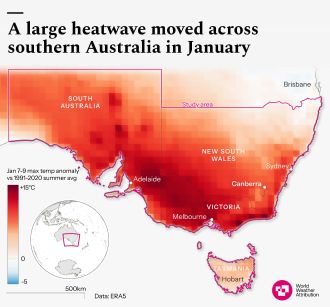
Across southeastern Australia, maximum temperatures were widely above 40ºC between January 7-9, 2026, as the area sweltered through the hottest temperatures since the ‘Black Summer’ of 2019-2020.
In Melbourne, where temperatures topped out at 44.4ºC at Tullamarine airport on January 9, one hospital reported that emergency admissions were up by 25%.
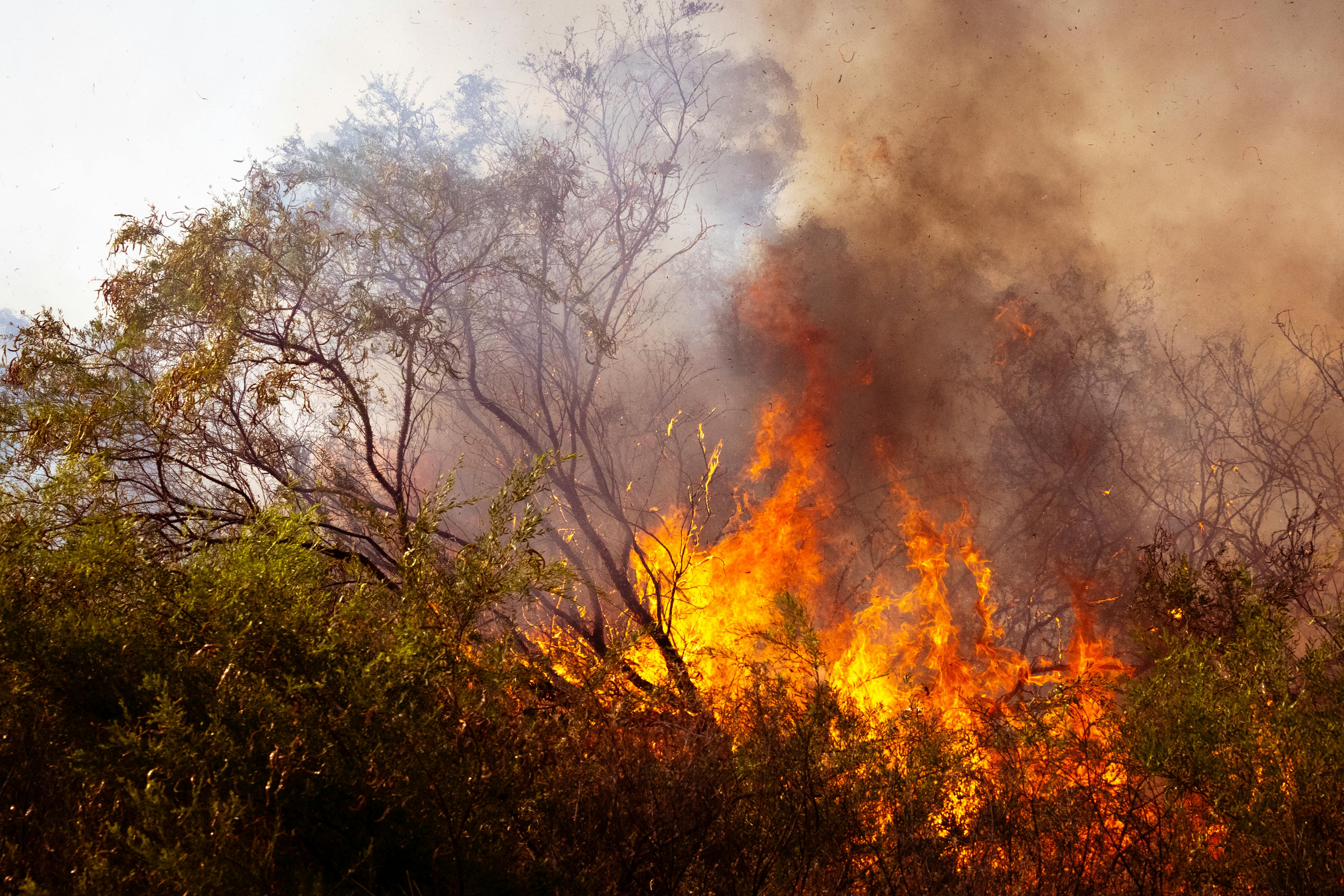
The heat was followed by devastating bushfires in Victoria, leading to a state of disaster being declared.
Across the world, climate change has made heatwaves more common, longer and hotter. To quantify the effect of climate change on the Australian heatwave, scientists used peer-reviewed methods to analyse weather data and computer model simulations to compare the climate as it is today, after about 1.3°C of global warming since the late 1800s, with the climate of the past.
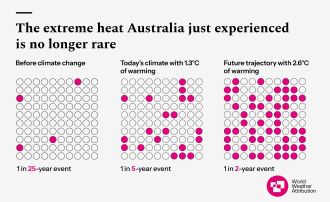
The analysis shows that, in today’s climate, Australians can now expect to experience similar heatwaves about once every five years.
The scientists also found that if carbon emissions continue on the trajectory predicted under current policies, heatwaves like this are expected every other year by the end of the century.
These findings underline not just the urgent need to cut emissions, but the need for Australians to better prepare for the dangers of extreme heat.
Key Findings:
- Frequency: Similar three-day heat events are now 5x more likely and expected about once every 5 years, instead of once every 25 years.
- Intensity: Carbon emissions made the heatwave hotter, adding 1.6°C to the temperatures recorded.
- Future Heat Risk: If the world warms 2.6°C above the pre-industrial average - as predicted based on current global policy - heat events like this can be expected once every 2 years.
- Natural Variability: The impact of climate change outweighed natural cooling signals in the climate, including a weak La Niña.
- Energy Resilience: Solar power met 60% of peak power demand, with rooftop panels contributing two-thirds of that total. This supply stabilised the grid amidst record cooling demand, a significant shift from the fossil fuel-heavy response of past heatwaves.
Contributing author Dr Sarah Perkins-Kirkpatrick, Professor of Climate Science at the Australian National University and a member of the ARC Centre of Excellence for the Weather of the 21st Century, said: “This isn't just a minor shift in the statistics; it is a total transformation of the Australian summer.
“What we once considered an extraordinary heat event is now something a primary-school student today will likely experience several times before they finish high school.
“The 1.6°C of heat added by emissions turned a difficult week into a dangerous one. We are seeing the limits of human and ecological endurance being tested in real-time.
“As these events continue to move from being 1-in-25-year anomalies to regular occurrences, our window to adapt is closing. We are no longer talking about a distant future threat. This is now the reality of our climate today.”
Methods:
Climate change is making extreme heat events hotter, longer and more frequent around the world. To quantify the effect of climate change on the Australian heatwave, scientists used peer-reviewed methods to analyse weather data and computer model simulations to compare the climate as it is today, after about 1.3°C of global warming since the late 1800s, with the climate of the past. They also looked at how likely a similar event is to occur in a future climate with 2.6°C of global warming, the trajectory predicted under current global policy. They focused on a three-day period from January 7-9 over a large part of southeastern Australia.
World Weather Attribution:
World Weather Attribution is an international scientific collaboration that analyses and communicates the possible influence of climate change on extreme weather events, such as storms, extreme rainfall, heatwaves, and droughts. The group has completed 120 studies around the world using peer-reviewed methods. The Intergovernmental Panel on Climate Change included research by World Weather Attribution to provide evidence that human-caused climate change is already intensifying weather extremes in every region of the world in its Sixth Assessment.
Multimedia