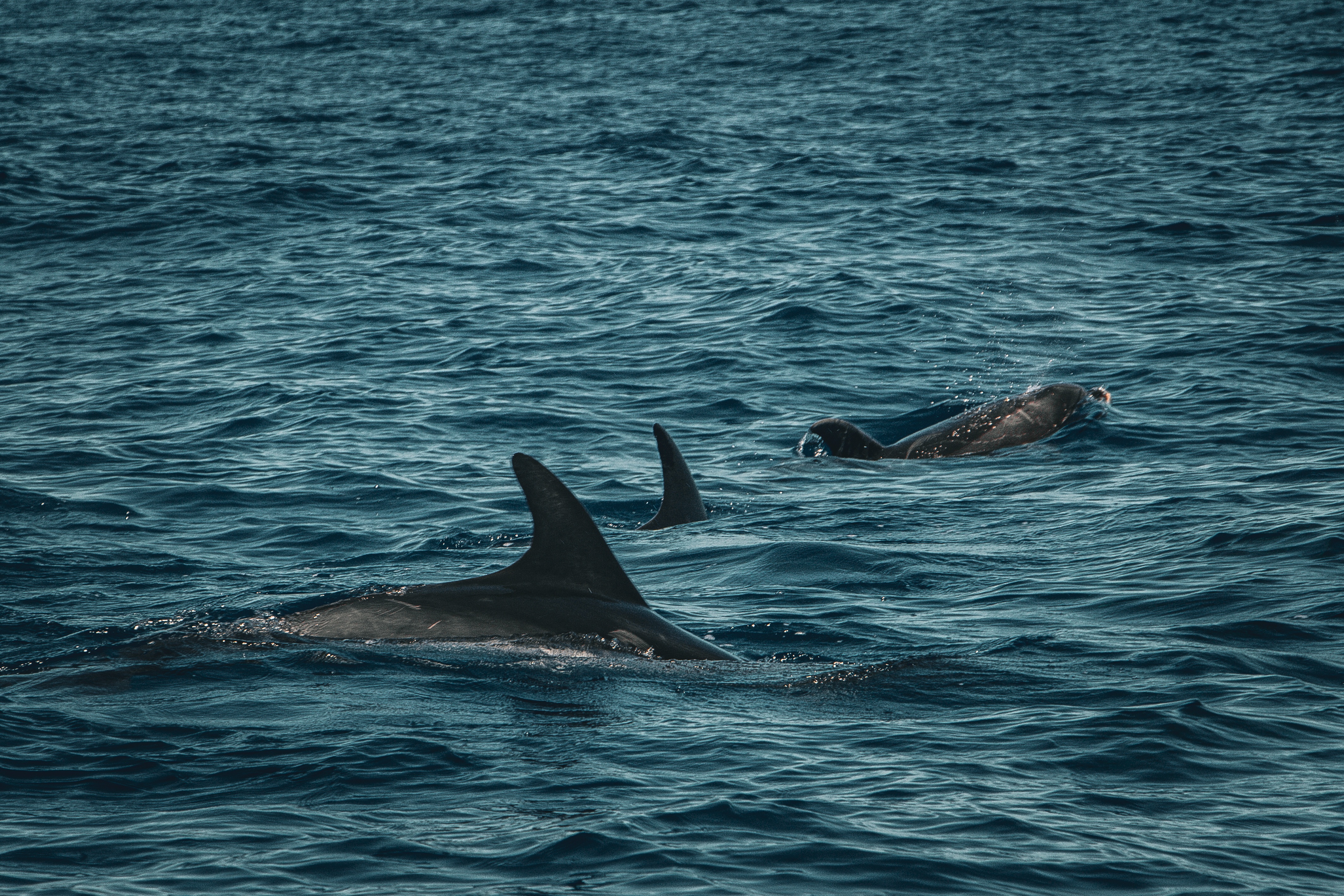
Citizen scientists help spot dolphins and whales off the NT coast

Publicly released:
Australia; NT
CC:0
CC:0

Between June of 2021 and November of 2023, Indigenous Ranger Groups and citizen scientists were able to spot eight different cetacean species - which include dolphins and whales - 112 times, say Aussie researchers. The team's search spanned 10,342 km of the north Australian coast, and ended up spotting four threatened, two Near Threatened and one Data Deficient species. The scientists say the most frequently spotted species were the Australian humpback dolphin, Indo-Pacific bottlenose dolphin, false killer whale, Australian snubfin dolphin, and dwarf spinner dolphin. Those people spotting from boats also found humpback whales, common bottlenose dolphins and killer whales. The team say the citizen scientists added 19 verified records of seven species, including four species not recorded in the original team's search; Risso’s dolphin and the pygmy blue whale having never been spotted in the area before.

Attachments

Note: Not all attachments are visible to the general public. Research URLs will go live after the embargo ends.

Research CSIRO Publishing, Web page The paper will become visible online at 8am on the day the embargo lifts.
Journal/
conference:
Pacific Conservation Biology
Research:Paper
Organisation/s: Charles Darwin University
Funder: This project was funded by an Australian Research Council Linkage Grant LP200100222, in partnership with Kakadu National Park, NT Parks and Wildlife, Taronga Conservation Society Australia, Gumurr Marthakal Rangers, Larrakia Nation Rangers and Sea Darwin and INPEX Coastal Offset Strategy Aboriginal Ranger Grants Program to Larrakia Nation to support costs for ranger exchanges and ranger group operational costs for several of the participating groups.
Media Contact/s
Contact details are only visible to registered journalists.