 Sign In



 Australia; NSW; VIC; QLD
News release
From:
GLOBAL: Australian researchers have discovered that even a modest reduction in the protein BECLIN1 leads to a significant increase in inflammation in the gut, leading to further disease and complications over time.
A healthy intestine relies on a protective barrier that separates the body from the contents of the gut. When this barrier is weakened, the intestine becomes more vulnerable to inflammation and damage.
The BECLIN1 protein is a key player in the body's process for clearing out damaged cells and recycling cellular components (autophagy) and is present on the cells that form the gut’s protective barrier.
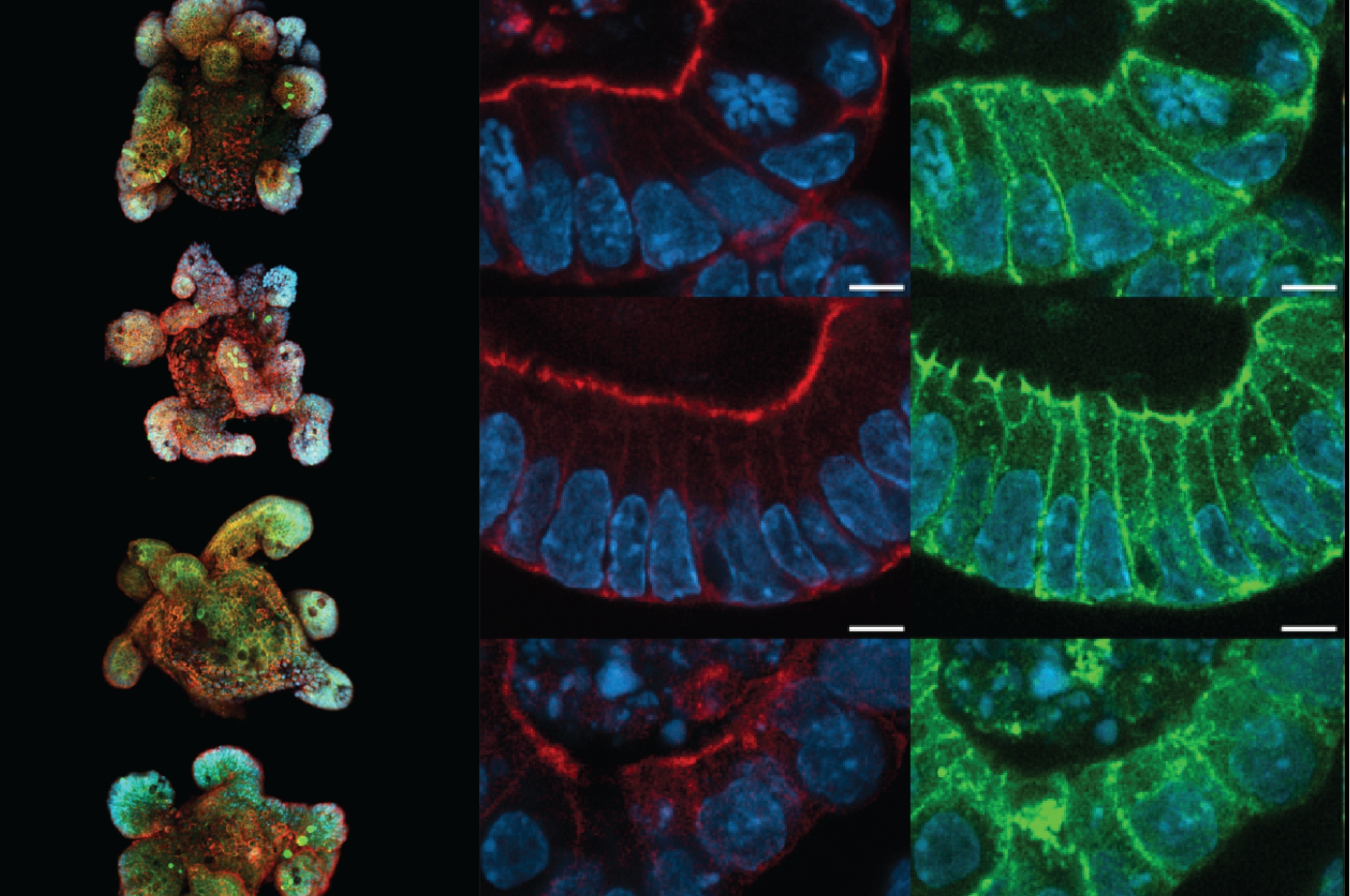
Researchers at the Olivia Newton-John Cancer Research Institute (ONJCRI), affiliated with La Trobe University as the School of Cancer Medicine, and the La Trobe Institute for Molecular Science (LIMS) investigated whether preclinical models that produced lower levels of BECLIN1 were more vulnerable to gut inflammation and associated disease.
Dr Juliani, first author of the paper published in Cell Death & Disease, shares the surprising findings:
“We found that BECLIN1 acts like a dimmer switch for the intestine's resilience. Turning the switch down doesn't immediately cause disease, but it weakens the cells that produce the gut’s protective mucus barrier, leaving the intestine far less able to cope with stress.
“We had previously shown that completely removing BECLIN1 causes catastrophic intestinal barrier failure. This new study shows that even subtle reductions in levels, such as seen in some other diseases, including cancer, are enough to erode the gut’s natural defences and increase susceptibility to inflammation.”
The findings may help to explain why some people are more susceptible to gut inflammation than others. Inflammatory bowel disease (IBD), including Crohn’s disease and ulcerative colitis, affects millions of people worldwide and causes chronic inflammation of the digestive system. [1]
Chronic inflammation is a major driver of bowel cancer development. Co-senior author A/Prof Doug Fairlie shares:
“By uncovering how the gut’s protective barrier becomes weakened before significant inflammation occurs, this research provides new insight into the early biological events that may contribute to both IBD and the increased risk of bowel cancer associated with it.”
With nearly 2 million people diagnosed with bowel cancer globally in 2022, and an increase in cases in people under the age of 50 [2], there is an urgent need for further research to understand the drivers of inflammation and associated bowel cancer development.
Co-senior author Professor Erinna Lee, Deputy Director and Cancer Program Lead at LIMS, said rather than asking what happens once inflammation had already taken hold, the research shifted the focus to what made the intestine vulnerable in the first place.
“Understanding these early events gives us new opportunities to intervene before irreversible damage occurs."
This research was supported by a La Trobe Graduate Research Scholarship, University of Melbourne Australian Commonwealth Government Research Training Program, Crohn’s and Colitis Australia, Avant, Gastroenterological Society of Australia, Australian Research Council, National Health and Medical Research Council, Victorian Government Operational Infrastructure Support Scheme, the Kenneth Rainin Foundation, Victorian Cancer Agency.
AVAILABLE FOR INTERVIEWS:
· A/Prof Doug Fairlie, co-senior author, ONJCRI and La Trobe University
· Professor Erinna Lee, co-senior author, LIMS, La Trobe University
Publication available at: https://doi.org/10.1038/s41419-026-08984-8
NOTES
About the Olivia Newton-John Cancer Research Institute (ONJCRI)
ONJCRI is a global leader in advancing cancer research, driven by the singular goal of improving patient outcomes. We drive progress by discovering and developing diagnostics and therapeutics that are more effective, tolerable, and accessible. ONJCRI adopts a tumour-agnostic approach, targeting shared pathways across multiple cancer types. This innovative strategy enables us to deliver scalable and impactful therapies that benefit diverse patient populations, accelerating progress across the entire landscape.
By bridging laboratory discoveries and clinical applications, ONJCRI is redefining how cancer treatments are designed and delivered: from bedside to bench to bedside. With a steadfast commitment to equity, innovation, and collaboration, we strive to transform cancer care, addressing unmet needs and overcoming disparities in access for all communities. For more about the Olivia Newton-John Cancer Research Institute, visit www.onjcri.org.au.
ONJCRI is an independent medical research institute and is affiliated with La Trobe University as the School of Cancer Medicine.
About La Trobe
For more than 50 years, La Trobe University has been transforming people and societies. The University works collaboratively across disciplines and with partners to develop fresh ways of thinking and conducting research – constantly seeking new ways to engage with and better serve its partners and communities, to build relationships and develop solutions for the issues facing society. Along with holding its top 300 ranking in Times Higher Education’s World University Rankings 2025, La Trobe University is in the top 1 per cent of universities worldwide. * Read more about La Trobe here.
*QS Top Universities, 2025, QS World University Rankings 2026: Top global universities; Webometrics, 2025, Webometrics Ranking July 2025

