 Sign In



 Australia; QLD
News release
From:
Venues that become entwined in the cultural fabric of a community can be as enticing as the events they hold, according to University of the Sunshine Coast research.
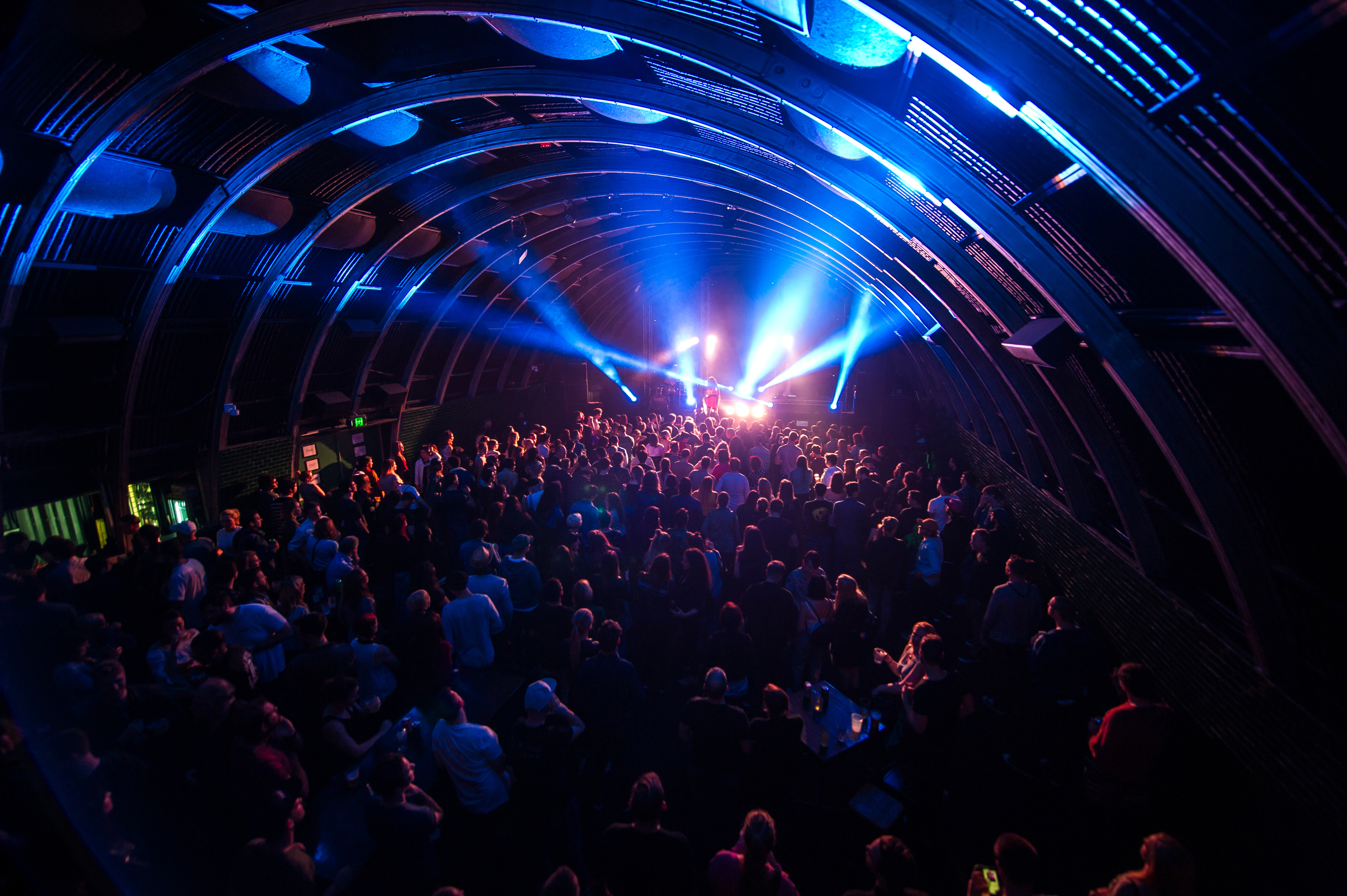
An iconic music hall, a legendary sporting stadium or a generationally-loved open-air space are examples of wildcards that can change the psychology of event-goers.
Dr Lenny Vance and five UniSC colleagues started looking at ways to improve nighttime economies – but unearthed findings with much broader applicability.
Aside from confirming security, transportation, entertainment quality and social considerations were paramount in decision-making, the study showed a sense of identity with the venue was a stronger lure than anticipated.
“I think the biggest learning is you can’t just build a nightlife offer, you need to build a sense of place,” Dr Vance said.
“Atmosphere matters. People develop emotional and symbolic connections to places, to the extent a venue, precinct or region becomes central to how they see themselves.
“Our research found a strong relationship between place identity, the frequency of attendance and expenditure.
“Things like transportation and meeting safety requirements get people through the door, but making them feel the space reflects their values leads to long-term loyalty and spending.”
The UniSC study evaluated responses of 577 residents of the Sunshine Coast, which is set to host several events at the 2032 Olympic and Paralympic Games.
Despite strong population growth and some of the nation’s largest interstate migration of the past decade, the Sunshine Coast faces several challenges for event coordinators.
Notably, the region has distinctly different community hubs, dotted over a broad area which does not boast a ‘hub-and-spoke’ formation like many larger cities.
While the study began by considering improvements for the local nightlife economy, it became apparent the findings had global insight for communities of under one million people.
It delved into the heart of how to encourage people to make a ‘third place’ a habitual destination, outside of their work and home.
“A fundamental aspect of humans is a desire for social inclusion, and this is often sought in ‘third places’ that foster a sense of belonging,” Dr Vance said.
“However, post-pandemic shifts in behaviour, along with younger generations increasingly prioritising personal time and wellbeing, suggest that not everyone is chasing the next big night out.
“While our research was initially triggered by challenges for the live music and entertainment sector, we acknowledge the findings would likely apply to other contexts.
“It could be applicable to community groups, sporting or social clubs, or places that require volunteerism, for example.”
Another finding of the study was that FOMO – fear of missing out – was also a powerful force that could supercharge the compulsion to overcome barriers and leave the house.
Joining Dr Vance on the research paper, published in Journal of Services Marketing, were UniSC colleagues Associate Professor Rory Mulcahy, Dr David Fleischman, Dr Henry Dugmore and ARIA award winners Dr Andy Ward and Dr Lachlan Goold.
Dr Vance is also President of the Sunshine Coast Events Industry Association.
The research comes shortly after the release of Queensland’s Nightlife Commissioner Report and the State Government Action Plan.

