 Sign In



 Australia; VIC
News release
From:
World’s largest supermarket chains, including Walmart, Edeka and Spar, doing little to help their customers eat healthy diets
· Just two of the world’s largest 21 supermarket chains (Aldi Australia and Lidl Germany) have implemented the most impactful actions to create healthy food environments.
· Aldi Australia reported limiting price promotions for unhealthy food, and Lidl Germany reduced the price of healthier items to the same or lower than comparable less healthy items.
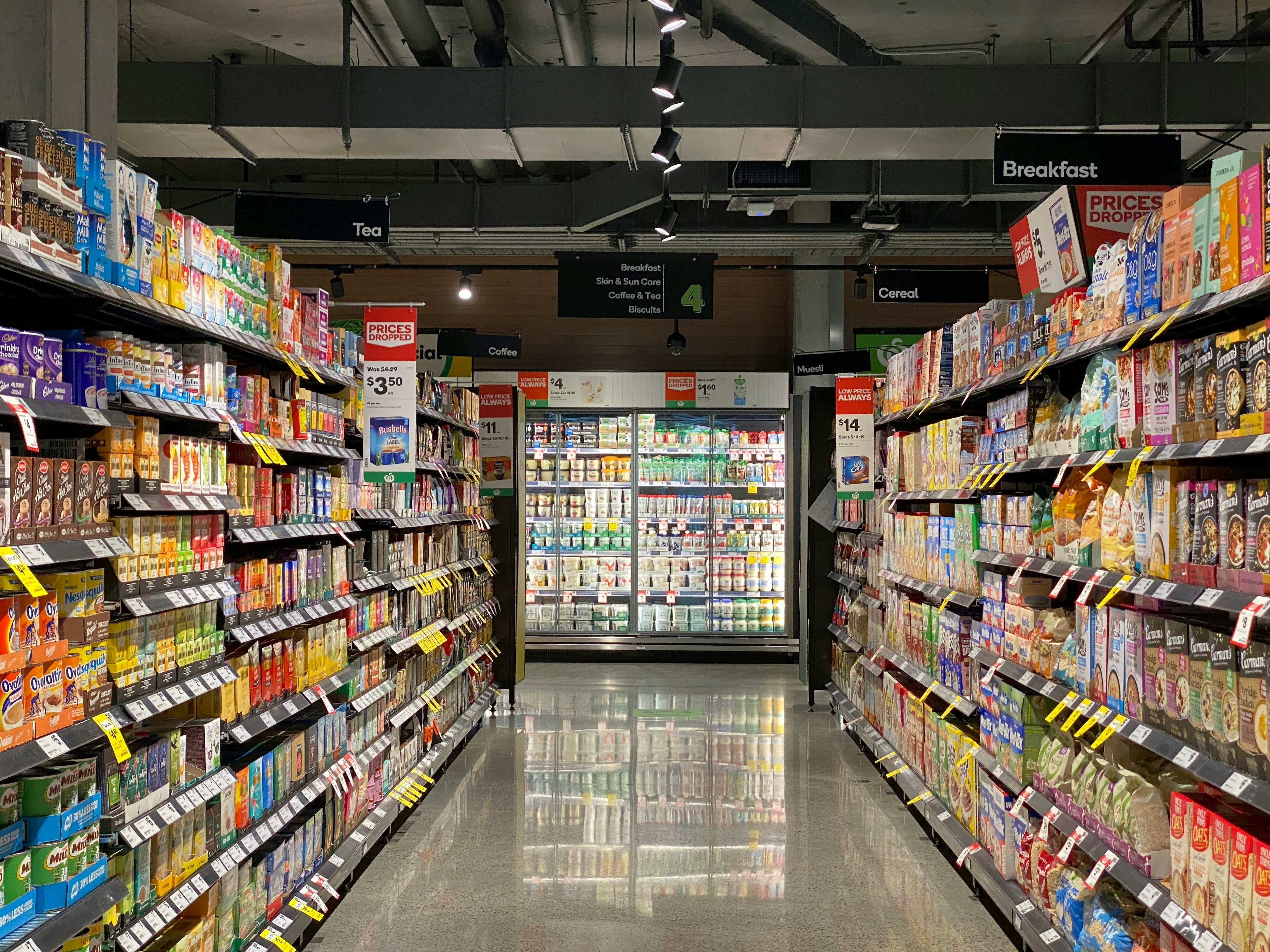
· No retailers voluntarily limited multibuy special offers or prominent in-store placement of less healthy foods, including at children’s eye level, end-of-aisle displays or checkouts.
· Authors say governments must take action to urgently introduce mandatory, legally binding standards for major supermarkets to address the global pandemic of obesity and other diet-related diseases.
NOTE – available in Spanish / Comunicado de prensa disponible en español– click here
New research being presented at this year’s International Congress on Obesity (ICO2026) being hosted by the World Obesity Federation (WOF) in Mexico City, Mexico (15-17 July), reveals that few of the world’s 21 largest food retailers are taking significant voluntary action to create healthier food environments for children and families.
Supermarket chains Walmart, Edeka, Woolworths, Aeon, and Spar are among the vast majority of retailers who need to take stronger and more effective actions to positively influence population diets.
“Supermarkets’ voluntary commitments to promote healthier and more equitable diets aren’t going far enough when it comes to public health goals,” said lead author Professor Adrian J. Cameron from Australia’s Deakin University Global Centre for Preventive Health and Nutrition.
“When it’s clear that retailers won’t take significant action themselves, we need to see governments urgently introduce mandatory, legally binding standards for major supermarkets to address the global pandemic of obesity and other diet-related diseases.”
The findings come among growing concerns about unhealthy “ultra” processed foods (UPFs) that have flooded supermarket shelves in recent years. These foods typically contain high amounts of sugar, salt, and unhealthy fats.
Research indicates that diets high in unhealthy UPFs contribute to serious health issues like obesity, type 2 diabetes, and heart disease. Unhealthy eating is the leading risk for death and disability globally, and one in five deaths - equivalent to 11 million deaths - are associated with poor diet every year [1].
The retail food environment, both in-store and online, is an important driver of dietary choices and dietary quality. In recent years, supermarkets have introduced a range of voluntary initiatives and actions aimed at improving population diets. However, evidence suggests that these measures are often limited in impact and insufficient to drive meaningful and equitable dietary change at scale.
The researchers therefore set out to comprehensively assess the scope and impact potential of voluntary actions taken by the top three grocery retail chains (by 2025 market share, including discounters, hypermarkets and supermarkets that predominately sell a range of fresh foods) in seven world regions—Asia Pacific, Australasia, Africa and the Middle East, Eastern Europe, Latin America, North America and Western Europe (see table in notes to Editors).
They conducted an overarching (umbrella) review to identify potential actions that can improve the health and equity of grocery retailer food environments, building on those identified in the UNICEF Retail Guidance Framework [2]. Based on this, a matrix of 26 possible retailer actions was constructed, organised by marketing mix components (product, price, place, and promotion) and likely public health impact.
Researchers then systematically searched each grocery chain’s website (including annual reports, news stories, policies, and strategic documents from 2020 onwards) to calculate the percentage of retailers addressing each of the 26 possible actions identified in the review.
Overall, the researchers identified 83 instances of voluntary initiatives and actions to promote health being taken by retailers, ranging from one to 11 actions per retailer.
Of the three initiatives with the highest estimated public health impact, only Aldi Australia reported acting on limiting special offers for unhealthy food, and only Lidl Germany set the price of healthier items the same or lower than comparable less healthier items. No retailers appeared to limit multibuy promotions for unhealthy food.
Importantly, only four retailers (Coles Australasia, Woolworths Australasia, and Lidl in both Eastern and Western Europe) had adopted an evidence-based definition of ‘healthy’ based on national nutrition standards and/or guidelines and international evidence.
The most common voluntary actions taken by retailers was reformulation of own brand items to make them healthier (13 of 21 retailers including Aldi and Woolworths Australasia, Lidl and Kaufl Eastern Europe, and Lidl and Aldi Western Europe) and the introduction of front of pack nutrition labelling on own brand items (9 of 21 retailers, including Lidl, Aldi, and Edeka in Western Europe and Lidl, Biedronka, and Kaufland in Eastern Europe).
Of the two actions that related to product placement, six retailers appeared to be more willing to feature healthier products in prominent positions in-store or online (Aldi Western Europe, Kroger North America, Lulu Middle East and Africa, Kaufland Eastern Europe, Coles and Woolworths in Australasia ). No retailers limited the prominent in-store placement of less healthy foods (e.g. unhealthy products at the eye and hand height of children, at checkouts, end-of-aisle displays and island bins).
“Large retailers are the gate keepers of what we eat and should be held accountable for the role they play in determining the health of the population,” said Professor Cameron. “There has been some progress by a few supermarkets in some areas, but there is more that can and should be done to promote healthier choices. Areas of action with the most public health potential, such as limiting price and multibuy promotions of unhealthy foods, are rarely or never addressed. For these key areas, government action is required to drive the change required to address the global pandemic of diet-related disease.”
The researchers acknowledge some limitations to their findings. These include relying on publicly available information, meaning that some actions taken by retailers may have not been identified, and the use of translated evidence sources for companies publishing content in languages other than English.
Notes to editors:
[1] Health effects of dietary risks in 195 countries, 1990–2017: a systematic analysis for the Global Burden of Disease Study 2017 - The Lancet
[2] Guidance Framework.pdf

