 Sign In



 International
News release
From:
Selected dog breeds with most breathing trouble identified in new study
In 14-breed survey, Pekingeses and Japanese Chins, as well as dogs with overweight, collapsing nostrils, and flat faces, experienced high BOAS severity
In short-skulled (brachycephalic) dogs, a very flat face, collapsing nostrils, and a plump physique are associated with difficulty breathing, with Pekingeses and Japanese Chins at especially high risk, according to a study published February 18, 2026 in the open-access journal PLOS One by Francesca Tomlinson from the University of Cambridge, United Kingdom, and colleagues.
The adorable, squished-flat faces of dogs like Bulldogs and Pugs can come at a price. The shortened skull shape is called brachycephaly, and can produce a condition called Brachycephalic Obstructive Airway Syndrome (BOAS). BOAS causes wheezing, difficulty breathing and exercise intolerance – and can require surgical treatment. Pugs, French Bulldogs, and Bulldogs are well known to be brachycephalic, but other breeds haven’t been well studied. To better understand what characteristics predict BOAS, the authors of this study collected data from 898 dogs in 14 different breeds, including Boxers, King Charles Spaniels and Cavalier King Charles Spaniels, Chihuahuas, Pekingese, Japanese Chins, Pomeranians, Shih Tzus and others. They measured the animals’ skulls and noses, bodies and necks, and checked them for symptoms of BOAS.
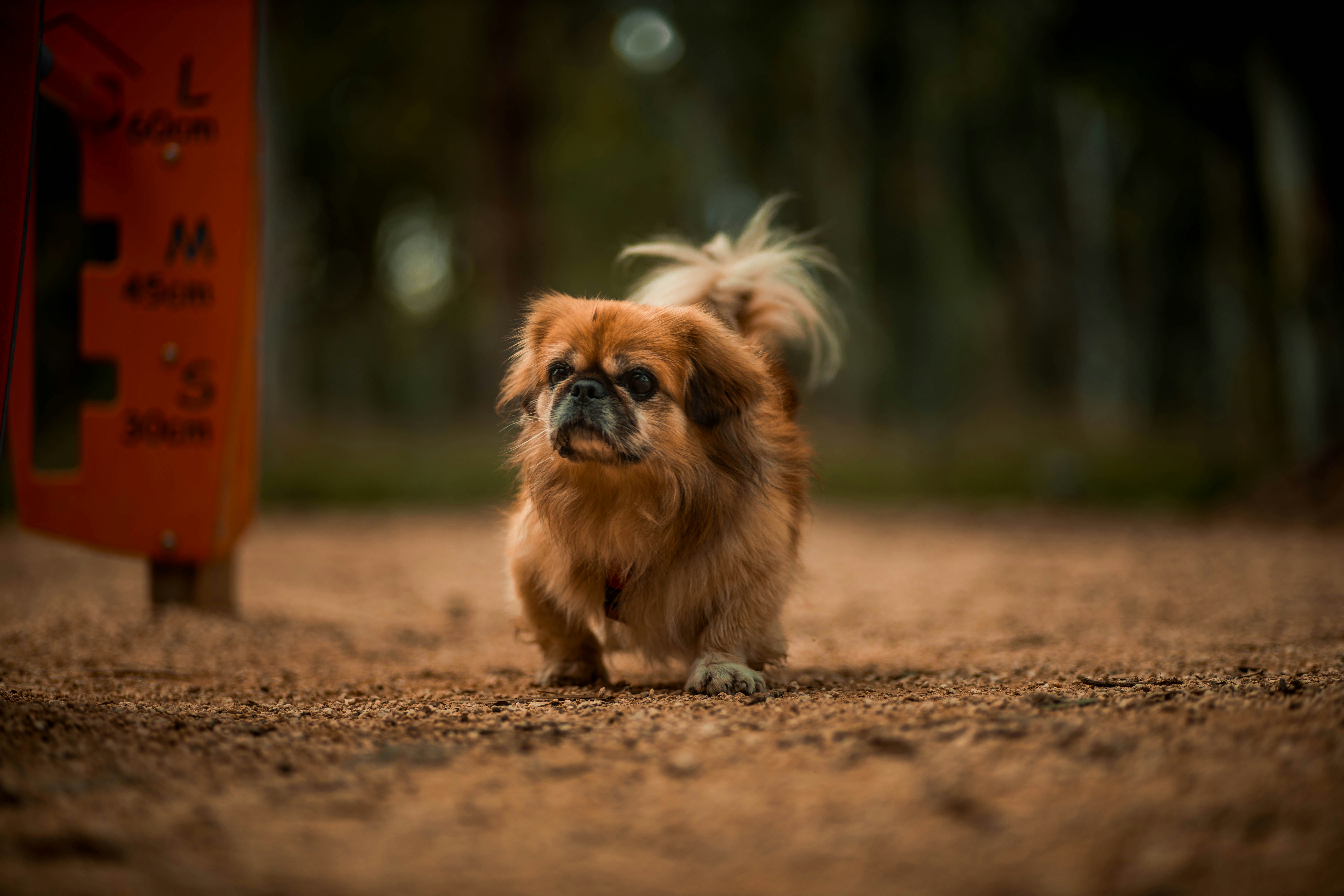
The dogs were graded for BOAS on a scale of zero to three, with zero indicating few symptoms, and three meaning the pup had difficulty exercising and getting enough air, and the scientists compared the 14 breeds to Pugs, French Bulldogs, and Bulldogs. The authors found that the Pekingese had a rate of BOAS similar to Bulldogs, with only 11 percent of Pekingese breathing freely. The Japanese Chin also fared poorly, only 17.4 percent of the dogs were free of symptoms. Others, such as the King Charles Spaniel, Shih Tzu and Boston Terrier had between 25 and 50 percent of dogs at grade zero, and the Cavalier King Charles Spaniel, Pomeranian, Boxer, Chihuahua and more fared best, with between 50 and 75 percent of dogs at grade zero. Within individual dogs, a very flat face, nostrils that collapsed when the dogs breathed in and a higher body condition (indicating a more overweight dog), were associated with BOAS risk.
The data was based on volunteer dogs, and the comparative BOAS grades in Pugs, French Bulldogs and Bulldogs were from 2016, so breeders might have since improved the breeds’ health, the authors note. But understanding more about the characteristics that make BOAS likely can be used to ensure those unhealthy characteristics are not rewarded in shows, help breeders try to breed away from those traits, and guide breeders and future dog owners toward dogs that can breathe a little easier.
The authors add: “Our research shows that BOAS varies widely between brachycephalic breeds. By understanding these differences and identifying key risk factors, we can move towards more targeted and effective strategies to improve welfare.”
“Long-term improvements in dog welfare depend on combining scientific evidence with the commitment of breeders and owners who care deeply about their dogs.”
“This research would not have been possible without the support of dedicated owners and breeders who volunteered their dogs to take part. Their enthusiasm and willingness to engage with health testing highlights how much people care about improving breed health.”
Attachments
Note: Not all attachments are visible to the general public. Research URLs will go live after the embargo ends.


