 Sign In



 Australia; VIC
News release
From:
Artificial feeding platform transforms study of ticks and their diseases
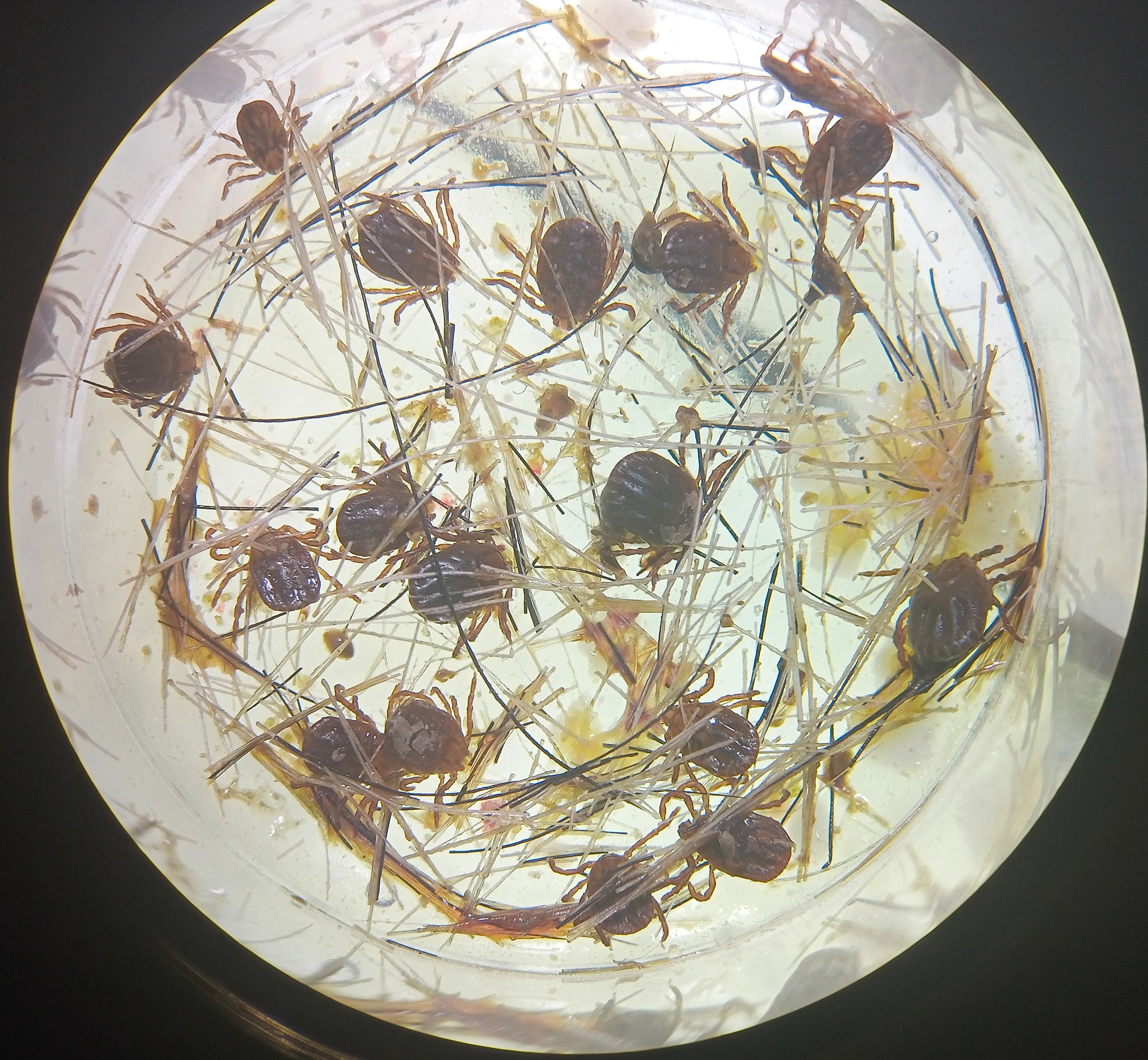
The world’s first lab-based feeding system for bush ticks, developed by researchers at the University of Melbourne, has transformed the study of ticks and how they transmit disease. The novel, host-free technology reduces the need for animal experiments in tick studies, facilitating more ethical, reproducible research.
Ticks are among the most significant carriers of infectious disease worldwide, transmitting a wide range of viruses, bacteria and protozoa to animals and humans. Global changes in climate, land-use and trade are impacting tick distribution and tick-borne diseases.
The research, led by University of Melbourne Dr Abdul Ghafar and Professor Abdul Jabbar from the Melbourne Veterinary School, alongside Professor Ard Nijhof from Freie Universität Berlin, Germany, was published in The Veterinary Journal.
The study showed that the platform can support the feeding and complete reproduction of the Asian longhorned tick (Haemaphysalis longicornis) without the use of animal hosts.
In Australia, the Asian longhorned tick is widespread and economically important. It is the principal transmitter of parasite Theileria orientalis, a major cause of production loss in cattle.
Emerging evidence suggests that bites from H. longicornis contribute to alpha-gal syndrome in humans, a red-meat allergy linked to a carbohydrate (galactose-α-1,3-galactose) in tick saliva.
Professor Nijhof explained that traditionally, tick research has depended on the use of live animals.
“This is not only labour-intensive, costly and ethically challenging, but also risks introducing substantial variability due to host immune responses, grooming behaviour and individual differences in tick attachment and feeding success,” Professor Nijhof said.
Professor Jabbar said the new laboratory platform eliminates the need for animals to host the ticks.
“The platform uses a thin silicone membrane and cattle blood from which the clotting protein fibrin has been removed, to replicate key features of natural feeding,” Professor Jabbar said.
The platform enables controlled studies of tick physiology, microbiome dynamics, pathogen acquisition and transmission, and high-throughput screening of new pesticides and anti-tick vaccines under standardised laboratory conditions.
Dr Ghafar explained that by optimising membrane thickness and feeding conditions, the research team overcame the anatomical constraints of H. longicornis (short mouthparts and limited mobility) that previously prevented reliable artificial feeding.
“As climate change, land-use change and global trade continue to reshape the distribution of ticks and tick-borne diseases in Australia, this host-free feeding system can support integrated research on disease-carrying animals like ticks of importance to animal and human health,” Dr Ghafar said.

