 Sign In



 Australia; ACT
Media release
From:
ANU researchers have discovered 360 glacial earthquakes in Antarctica that occurred between 2010 and 2023, many of which were previously unknown and are yet to be included in any earthquake catalogue.
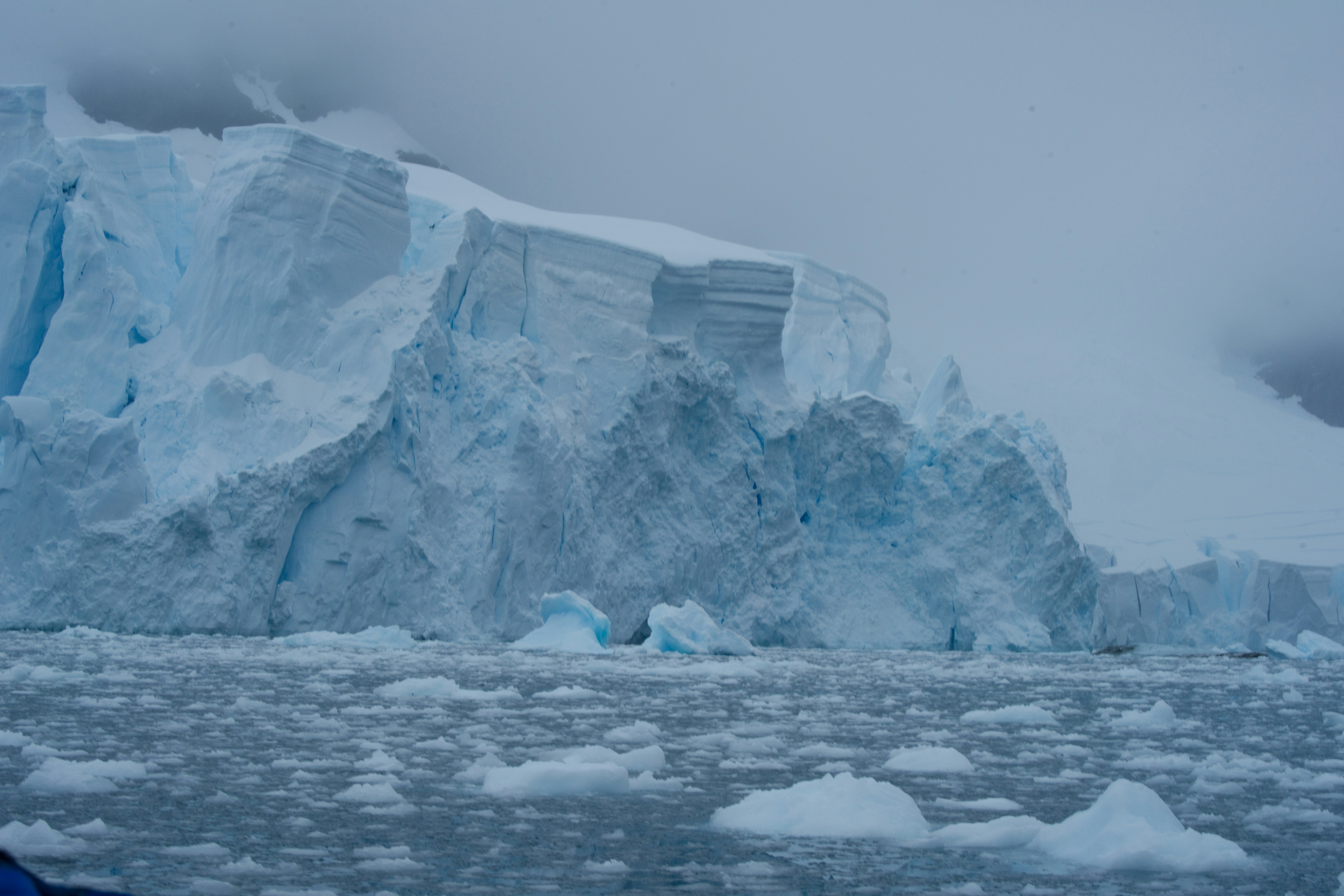
Most of these quakes happened at the ocean end of the Thwaites Glacier – the so-called Doomsday Glacier that could send sea levels rising rapidly if it were to collapse. If the Doomsday Glacier was to collapse completely it would raise global sea levels by three metres, and it also has the potential to fall apart rapidly.
About two-thirds of the events the researchers detected – 245 out of 362 – were located near the marine end of Thwaites. Most of these events are likely glacial earthquakes due to capsizing icebergs.
The detection of glacial earthquakes associated with iceberg calving at Thwaites Glacier could help answer several important research questions. These include a fundamental question about the potential instability of the Thwaites Glacier due to the interaction of the ocean, ice and solid ground near where it meets the sea.
Better understanding may hold the key to resolving the current large uncertainty in the projected sea-level rise over the next couple of centuries.
The research will be published in Geophysical Research Letters.
Attachments
Note: Not all attachments are visible to the general public. Research URLs will go live after the embargo ends.


