Sign In



 International
News release
From:
Palaeontology: Argentine fossil may rewrite the evolutionary history of a miniature dinosaur *IMAGES*
A nearly complete fossil of a dinosaur from Argentina, which would have weighed less than 1 kg when alive, may be the smallest known dinosaur from South America discovered to date. The dinosaur, described in Nature this week, is a new specimen of a group called alvarezsauroids that are predominantly small in body size. However, miniaturization seems to have evolved multiple times in different lineages independently, rather than being a common feature of all alvarezsauroids, the new findings suggest.
Alvarezsauroids are an unusual group of theropods (a major group of creatures that includes some dinosaurs and all modern birds) with a contentious taxonomic history and a debated position on the family tree. They were originally thought to be flightless relatives of birds and are the only group of theropods besides birds to exhibit evolutionary miniaturization. However, the fossil record is sparse, with only a few fragmented specimens from Asia and Argentina, which means that the evolution of these theropods has been hard to understand.
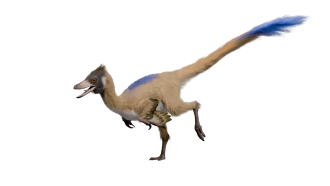
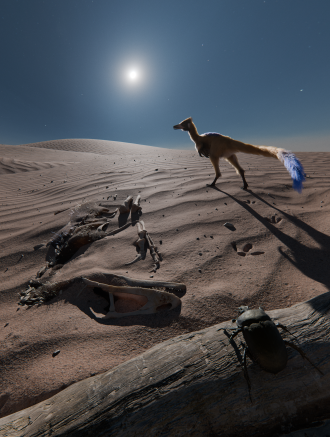
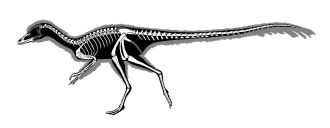
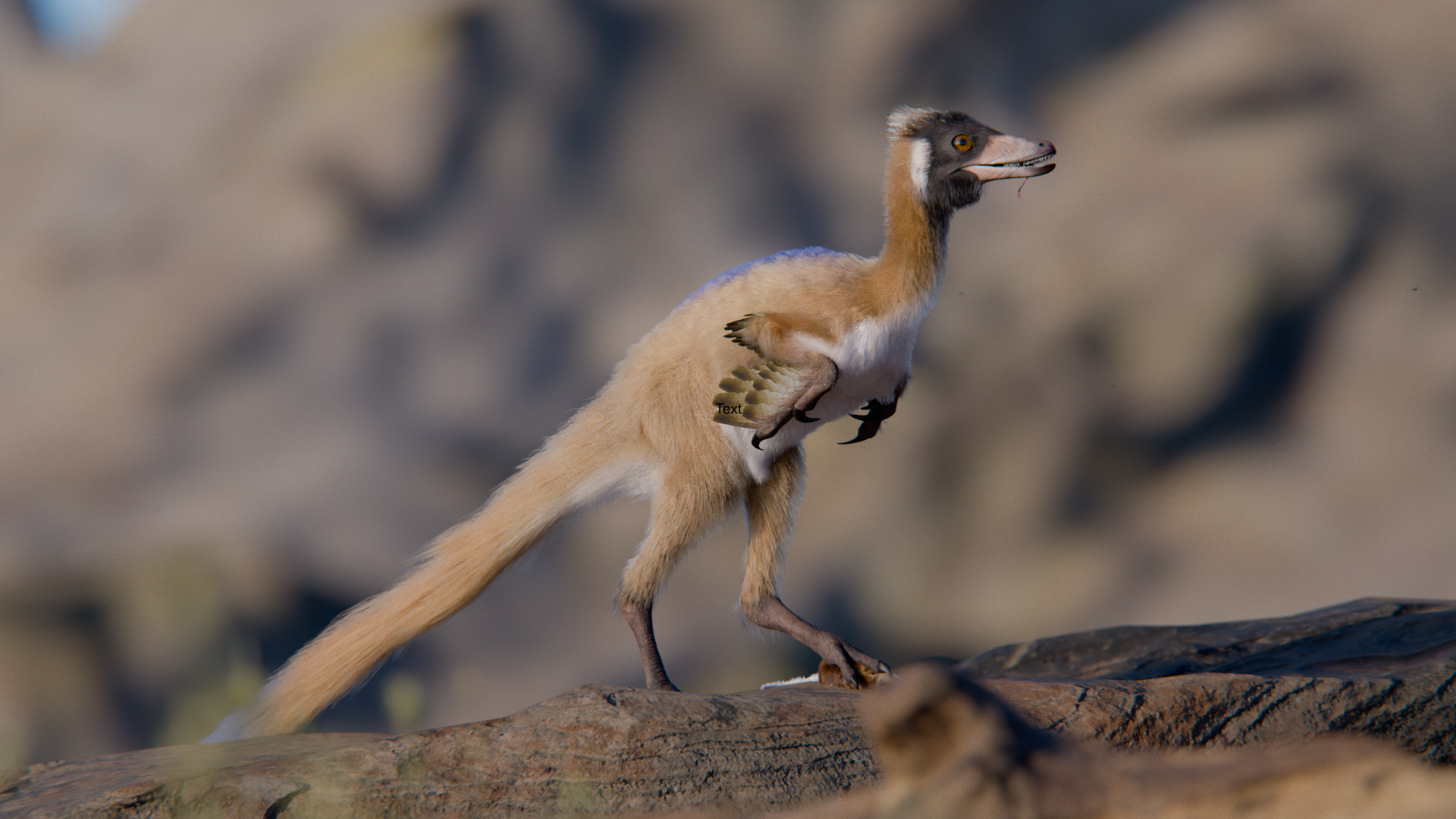
New insights into the alvarezsauroids are gained from the fossil presented by Peter Makovicky and colleagues. They describe an almost complete skeleton of a creature called Alnashetri cerropoliciensis dating to around 95 million years ago, found in Patagonia, Argentina. With an estimated body mass of under 1 kg, Alnashetri is one of the smallest known non-avian dinosaur species from South America, the authors note. Like other alvarezsauroids, Alnashetri had a beak-like snout, short forelimbs and long hindlimbs with claws. However, Alnashetri did not have shrunken digits on its forelimbs, and its teeth were not as miniaturized as those seen in other alvarezsauroids. These and other differences suggest that Alnashetri was not like other alvarezsauroids, despite being diminutive.
The completeness of the skeleton helps the authors to reinterpret the origins of the alvarezsauroid group. They find no support for evolutionary miniaturization but, instead, find support for repeated independent evolution within a narrow body size range.
Multimedia