 Sign In



Attachments
Note: Not all attachments are visible to the general public. Research URLs will go live after the embargo ends.

 New Zealand
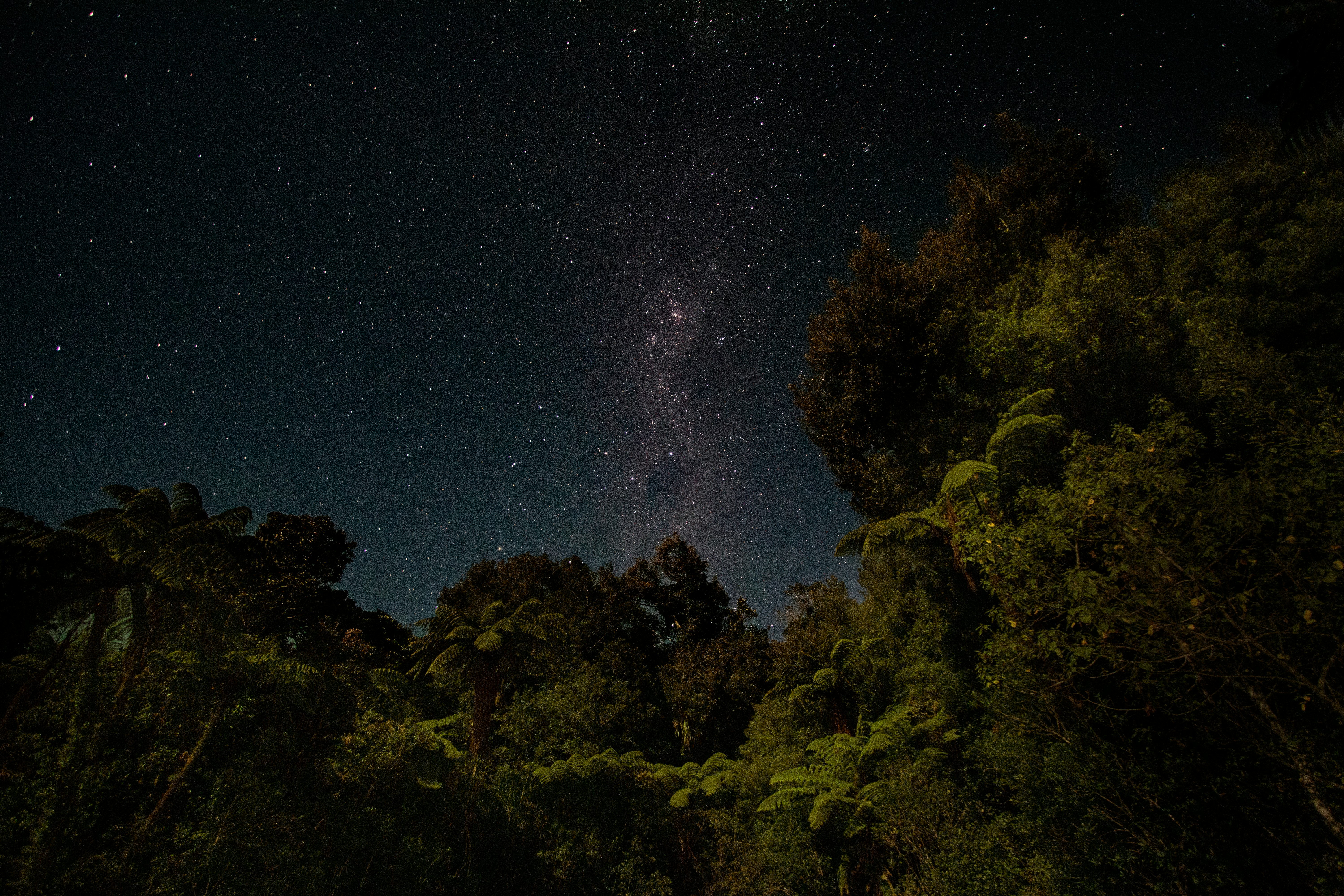
Artificial light at night (ALAN) could be disturbing predatory invertebrates in New Zealand forests, potentially disrupting their role as natural pest controllers. In experiments carried out at Maungatautari Ecological Island, researchers found that light pollution reduced the number of invertebrate predators by up to threefold. The average annual increase of ALAN in Aotearoa is 3.2% - faster than the global average of 2.2% - and the authors say that protecting dark refuges is becoming increasingly important.
Note: Not all attachments are visible to the general public. Research URLs will go live after the embargo ends.

