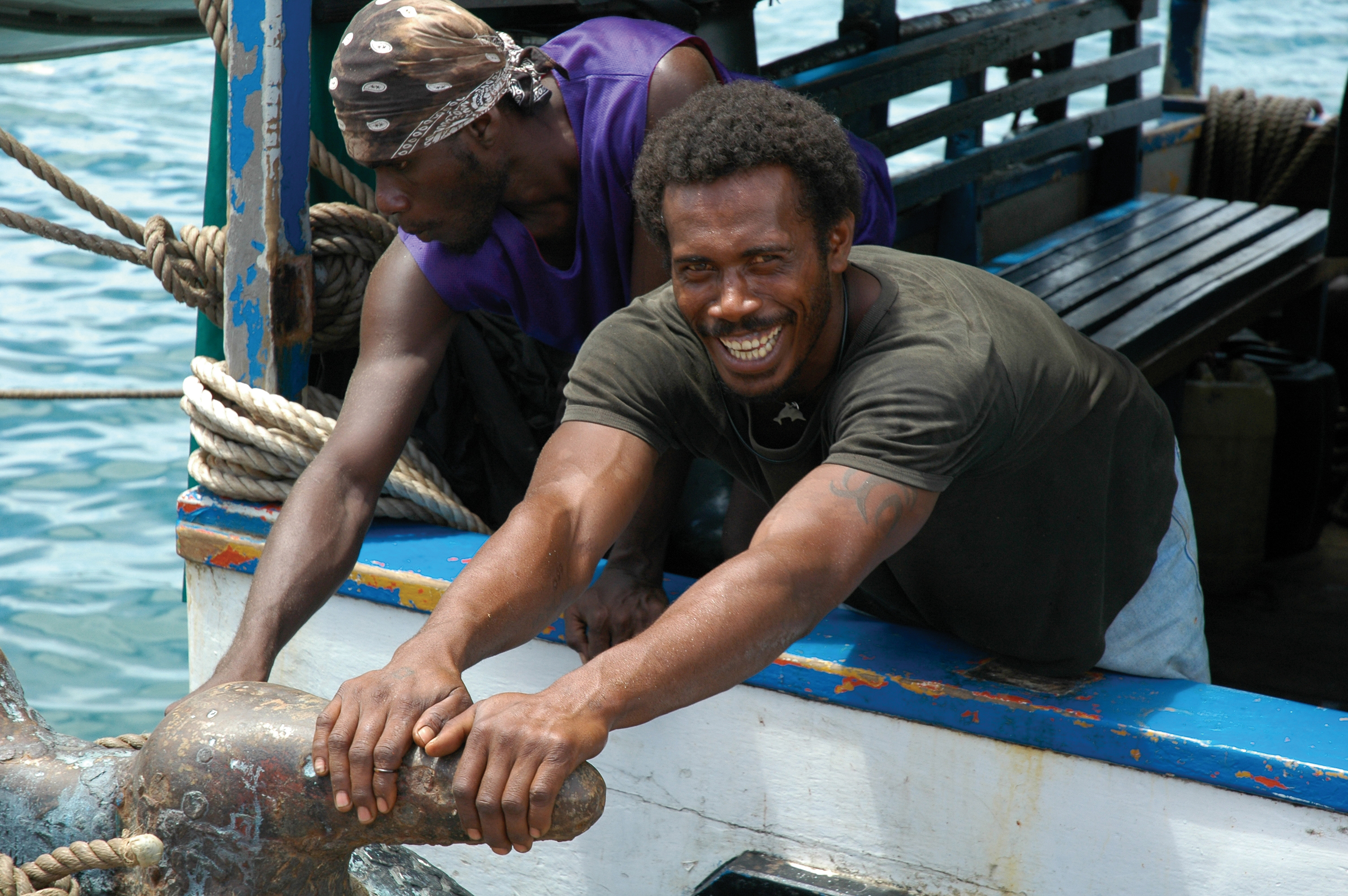
The 30 by 30 conservation targets could harm small-scale fishing communities

Publicly released:
Australia; Pacific; NSW; QLD; TAS
Department of Foreign Affairs and Trade, CC BY 2.0 <https://creativecommons.org/licenses/by/2.0>, via Wikimedia Commons

The global 30 by 30 biodiversity targets, which aim to protect of 30% of land, water, marine and coastal areas by 2030, could harm small-scale fishing communities, say Australian and Pacific-based experts. Drawing on case studies from the Solomon Islands, the team say that communities should not shoulder the burden of meeting
global conservation commitments. They say marine conservation efforts should not be dominated by a narrow focus on percentages and hectares, and they shouldn't replace, or undermine, existing community-led management measures or impose unreasonable restrictions on people whose culture and way of life are inextricably linked to fishing.

Attachments

Note: Not all attachments are visible to the general public. Research URLs will go live after the embargo ends.

Research Cell Press, Web page Please link to the article in online versions of your report (the URL will go live after the embargo ends).
Journal/
conference:
Cell Reports Sustainability
Research:Paper
Organisation/s: James Cook University, University of Tasmania, The University of New South Wales, The University of the South Pacific, Australian Institute of Marine Science (AIMS), Ecological Solutions Solomon Islands, Pacific Community, New Caledonia, World Wide Fund for Nature, Solomon Islands, Talanoa Consulting, Solomon Islands, Blue Prosperity, Fiji, The Nature Conservancy, Solomon Islands
Funder: The authors declare no competing interests.
Media Contact/s
Contact details are only visible to registered journalists.