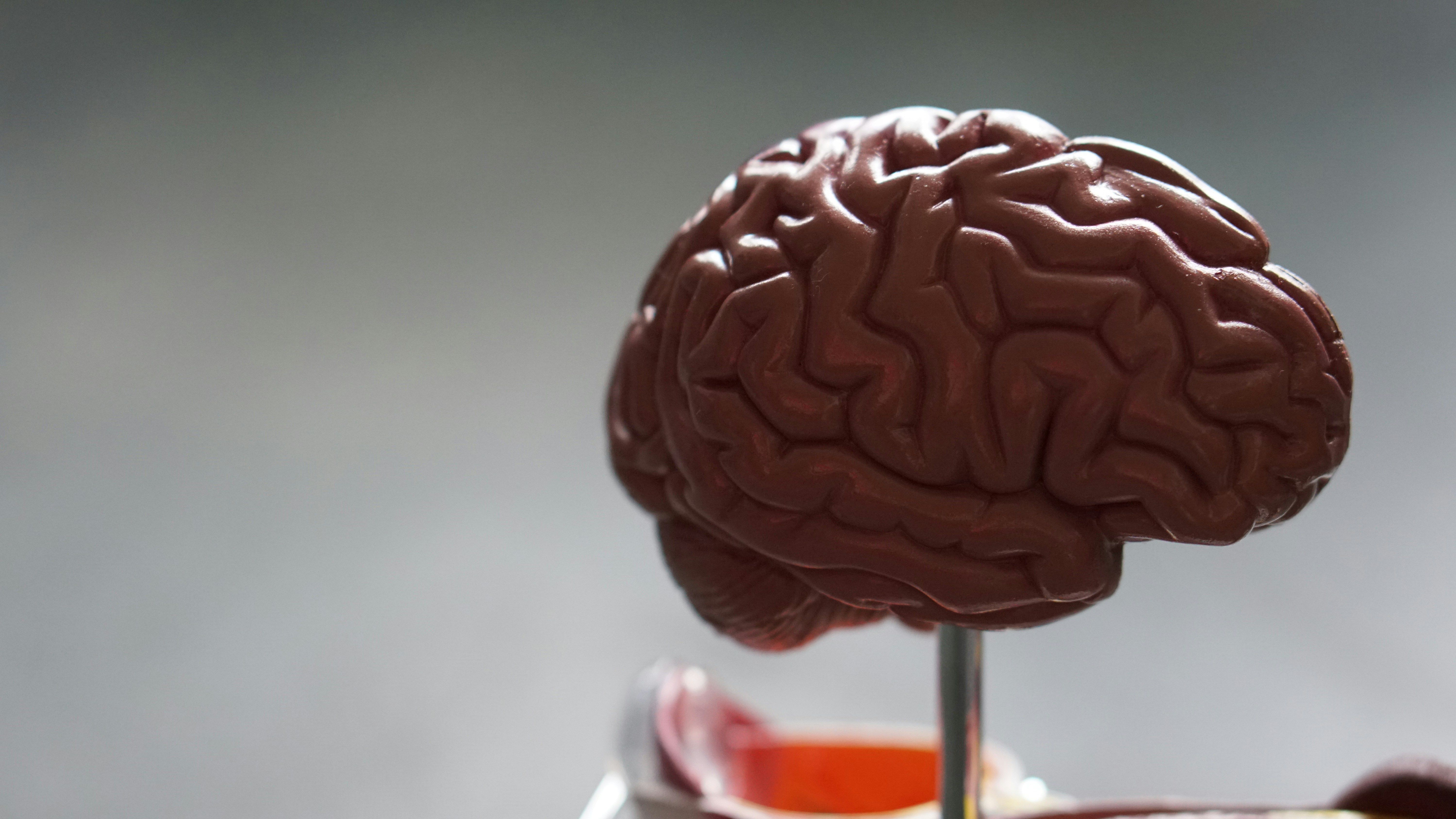
Brain scans may reveal three distinct types of ADHD

Publicly released:
Australia; International; VIC
Photo by Robina Weermeijer on Unsplash

Brain scans may help doctors divide people with ADHD into three distinct subtypes, each with unique clinical profiles, according to Australian and Chinese research. The study found that people with ADHD could be divided into the subtypes: severe-combined with emotional dysregulation; predominantly hyperactive/impulsive; and predominantly inattentive. These subtypes showed different alterations across brain regions and had different patterns of receptors for key brain chemicals, the authors say. This offers a framework for dividing people with ADHD into clinically meaningful groups, which may ultimately create a path toward developing personalised treatments, they conclude.

Attachments

Note: Not all attachments are visible to the general public. Research URLs will go live after the embargo ends.

Research JAMA, Web page Please link to the article in online versions of your report (the URL will go live after the embargo ends).
Journal/
conference:
JAMA Psychiatry
Research:Paper
Organisation/s: Monash University, West China Xiamen Hospital of Sichuan University
Funder: This study was supported by the National Natural Science Foundation of China (grant 823B2041 to Dr Pan, grants 81621003 and 82027808 to Dr Gong, grant 82302159 to Dr Li) and National Institute of Mental Health (grant R01 MH097818 to Drs DelBello and McNamara, grant R25MH132513-01A1 to Dr Singh). Dr Pan was also supported by the Young Elite Scientists Sponsorship Program for Graduate Students by China Association for Science and Technology and from the China Scholarships Council (grant 202406240178). Dr Fornito was supported by the Australian National Health and Medical Research Council (ID: 1197431) and Australian Research Council (ID: FL220100184). This research was supported by Monash eResearch capabilities, includingM3 (MASSIVE).
Media Contact/s
Contact details are only visible to registered journalists.