 Sign In



 International
News release
From:
Pre-pregnancy parental overweight/obesity linked to next generation’s heightened fatty liver disease risk
Young adult risk more than 3 times higher if both mum and dad carrying excess weight
Odds largely influenced by cumulative excess weight (BMI) in childhood
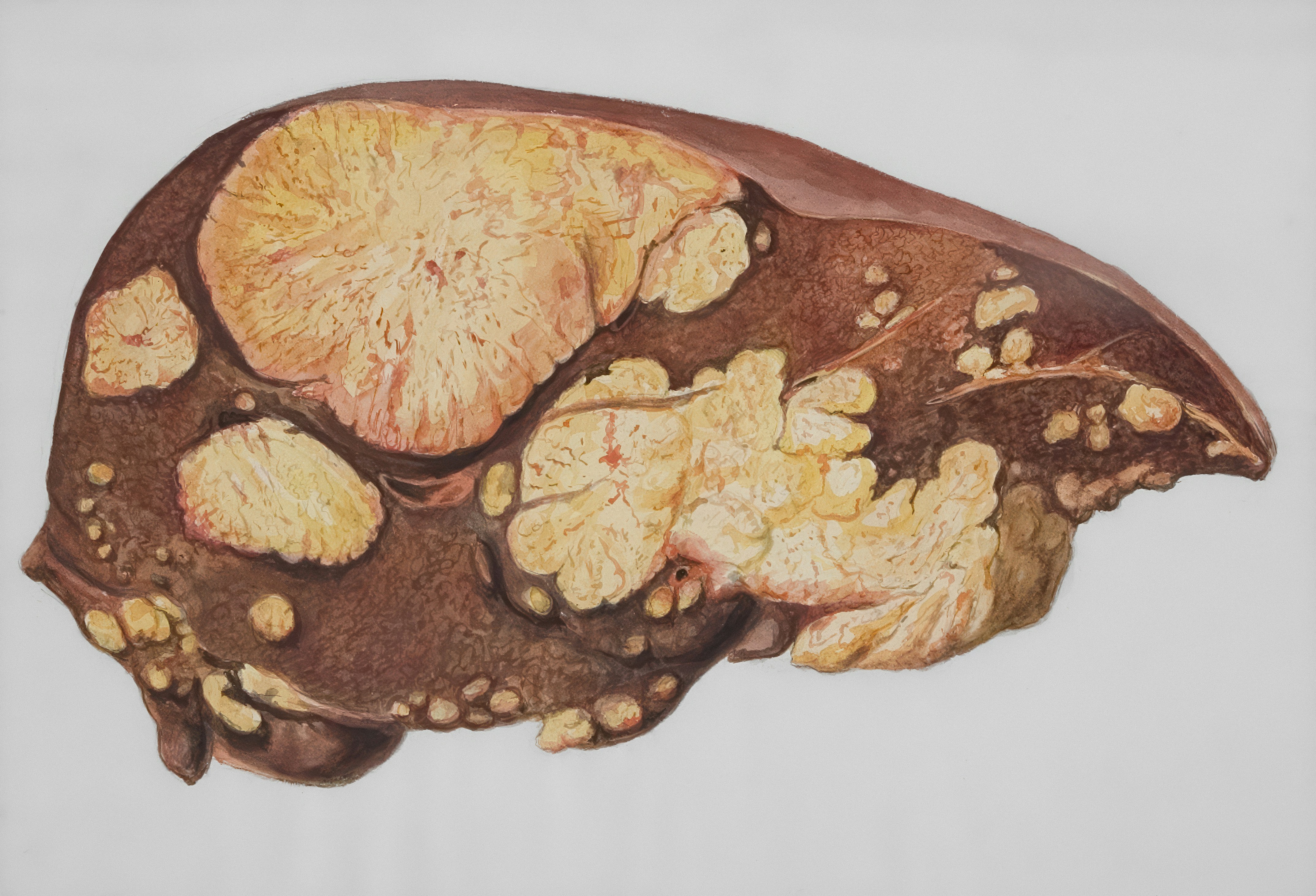
Pre-pregnancy parental overweight and obesity is linked to the next generation’s heightened risk of developing fatty liver disease, a potential precursor to cirrhosis and liver failure, suggests research published online in the journal Gut.
If both parents are overweight or obese before they conceive, that child’s subsequent odds of developing MASLD by the age of 24 are more than 3 times higher, most of which is influenced by cumulative excess weight (BMI) during childhood, the findings indicate.
Non-alcoholic fatty liver disease, recently renamed metabolic dysfunction associated steatotic liver disease, or MASLD for short, is the most common chronic liver disease worldwide, affecting an estimated 15% of children and more than 30% of adults, note the researchers.
Previously published research has emphasised the role of maternal obesity in future generations’ MASLD risk, but it’s not clear what role paternal obesity might have and if childhood overweight might also influence this risk.
To find out, the researchers assessed the associations between parental weight (BMI) before pregnancy and the odds of developing MASLD by the age of 24 in 1933 children from the UK Avon Longitudinal Study of Parents and Children (ALSPAC).
MASLD was defined as high levels of fat in the liver and at least 1 cardiometabolic risk factor, such as high cholesterol or high fasting glucose.
Both parents provided information on height, weight, calculated BMI and waist circumference, and they completed regular questionnaires on potentially influential health and lifestyle factors throughout pregnancy and after the birth.
These included information on age at delivery, smoking during the first 3 months of pregnancy, typical weekly alcohol consumption before pregnancy, employment status, and educational attainment.
The mums also reported their physical activity levels and whether they had ever been diagnosed with diabetes or high blood pressure at the time of study enrolment.
Information on the children included early life factors: sex; mode of delivery; gestational age and birthweight; antibiotic exposure within the first 6 months of life; and length of breastfeeding.
And it included repeated measures of BMI and waist circumference when they were aged 7–9, 10–12, and 13–17, plus alcohol and tobacco use as a young adult.
By the age of 24, one in 10 of these children (201) had MASLD; the other 1732 had a normal liver. Those with MASLD were more likely to be male and to have a higher BMI.
Maternal and paternal overweight and obesity were independently associated with increased odds of their children subsequently developing MASLD, after accounting for potentially influential factors.
Each additional kg of maternal BMI increased the odds of MASLD by 10%, while the equivalent increase in paternal BMI raised the odds by 9%.
Overweight or obesity in both parents was associated with more than 3 times the odds of their child developing MASLD as a young adult compared with those whose parents had a normal pre-pregnancy BMI.
Two thirds (67%) of this association was influenced by cumulative excess BMI between the ages of 7 and 17.
Further analysis, accounting for mothers’ and children’s sugar consumption, plus genetic predisposition to MASLD, generated similar findings.
This is an observational study, and as such, no firm conclusions can be drawn about cause and effect, added to which the researchers acknowledge various limitations to their findings.
For example, parental pre-pregnancy data were self-reported and there was no information on parental MASLD, underlying conditions before and during pregnancy, or their children’s physical activity levels in early adulthood, all of which might have been influential.
Although the drivers behind the observed associations aren’t yet fully understood, the researchers nevertheless conclude that their results “lend support to an early life influence of biparental obesity on offspring metabolic health, suggesting efforts to mitigate excess adiposity of both mothers and fathers before conceiving may confer longitudinal benefits to the metabolic outcomes of their future offspring.”
Attachments
Note: Not all attachments are visible to the general public. Research URLs will go live after the embargo ends.


