Sign In



 Australia; SA
News release
From:
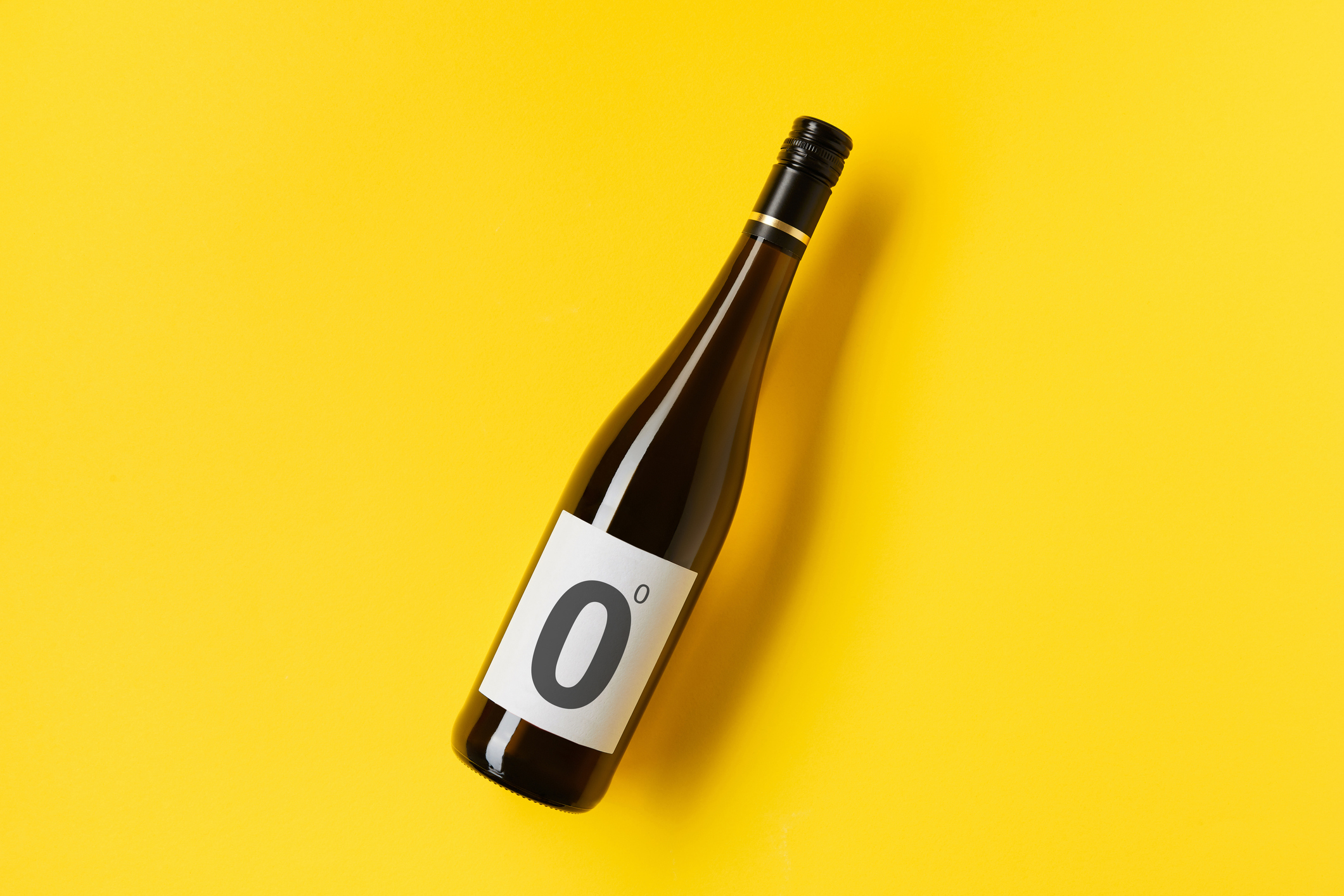
Zero‑alcohol drink advertising may not be as harmless as it seems, with new Flinders University research showing it could increase teenagers’ interest in drinking full‑strength alcohol.
A study of 382 adolescents aged 15–17 found that teens who had seen — and especially those who liked — zero‑alcohol advertisements reported significantly stronger intentions to try the alcoholic versions of those brands.
Researchers say the findings highlight that zero‑alcohol marketing can function as indirect advertising for real alcohol.
Flinders University co-author and researcher, Nathan Harrison, says the results challenge assumptions that zero‑alcohol promotions are a safe alternative for young audiences.
“Zero‑alcohol adverts appear to shape how adolescents think about the full‑strength products from the same parent brands,” says Mr Harrison from the College of Medicine and Public Health.
Participants in the study viewed real advertisements for zero‑alcohol beer, wine and spirits – which resemble the alcoholic versions but have no or very low levels of alcohol (<0.5%). The teenagers were asked whether they had seen the ads before, and whether they liked them. Participants then rated their attitudes toward the alcohol brands and their intentions to drink the alcoholic versions.
Senior author Professor Jacqueline Bowden says that liking the ads had the strongest effect.
“Teens who liked the advertisements showed more positive attitudes toward the brands and clearer intentions to try the full‑strength products,” says Professor Bowden, Director of Flinders’ National Centre for Education and Training on Addiction (NCETA).
“Because zero‑alcohol branding so closely mirrors alcoholic packaging and themes, many young people may not see a meaningful difference.”
Social media and general internet advertising were the most common places teenagers reported seeing zero‑alcohol promotions.
However, the study found no strong links between where the ads appeared and teens’ attitudes, suggesting many may not distinguish zero‑alcohol ads from regular alcohol advertising at all.
“This points to a major policy gap,” says Mr Harrrison, a Research Fellow at NCETA.
“Zero‑alcohol products are often exempt from alcohol advertising restrictions, allowing companies to use the same branding to reach young audiences.”
The researchers say the findings strengthen calls for tighter rules around alcohol‑related advertising.
“Policies that treat all brand advertising consistently — regardless of alcohol content — may better protect young people,” says Mr Harrison.
“Some countries in Europe already apply broader restrictions, and Australia could benefit from similar measures.”
The team, led by Flinders University’s Dr Ashlea Bartram, notes that the results align with wider evidence that alcohol marketing influences adolescent attitudes and behaviours.
They also call for further research to understand how long‑term exposure to zero‑alcohol advertising may shape future drinking patterns.
The paper, ‘Adolescents' Exposure to Zero-Alcohol Advertisements and Attitudes and Consumption Intentions Towards Alcohol: A Cross-Sectional Study’by Ashlea Bartram, Md Abdul Ahad, Svetlana Bogomolova, Murthy Mittinty, Joanne Dono (SAHMRI, Adelaide University), Aimee L. Brownbill, Nathan J. Harrison, Jacqueline Garcia, Ivana Glavinic, Mia May and Jacqueline Bowden will be published in Drug and Alcohol Review. DOI:10.1111/dar.70125
Acknowledgements: This research was funded by the Channel 7 Children's Research Foundation (Project Reference: 24-36090441). Dr Bartram and Professor Bowden receive funding from the Australian Government Department of Health, Disability and Ageing to support research regarding alcohol and other drugs (4-IN4X1RZ).
Support and advice are available through the National Alcohol and Other Drugs Hotline.
Multimedia